- 09 Oct 2025

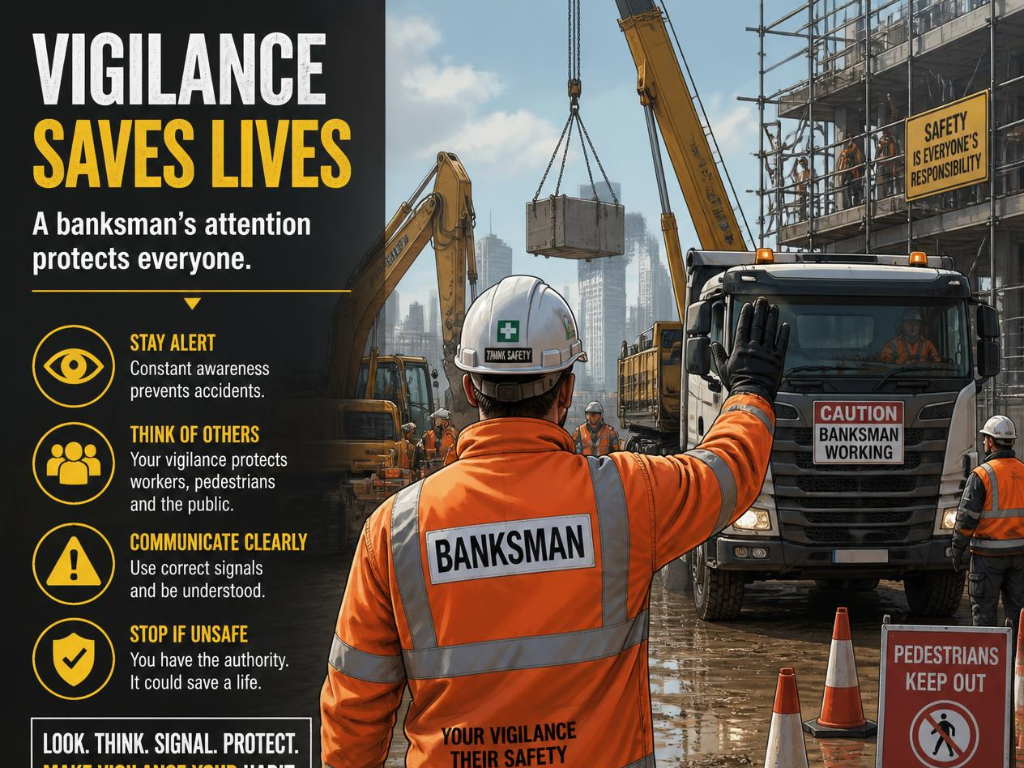
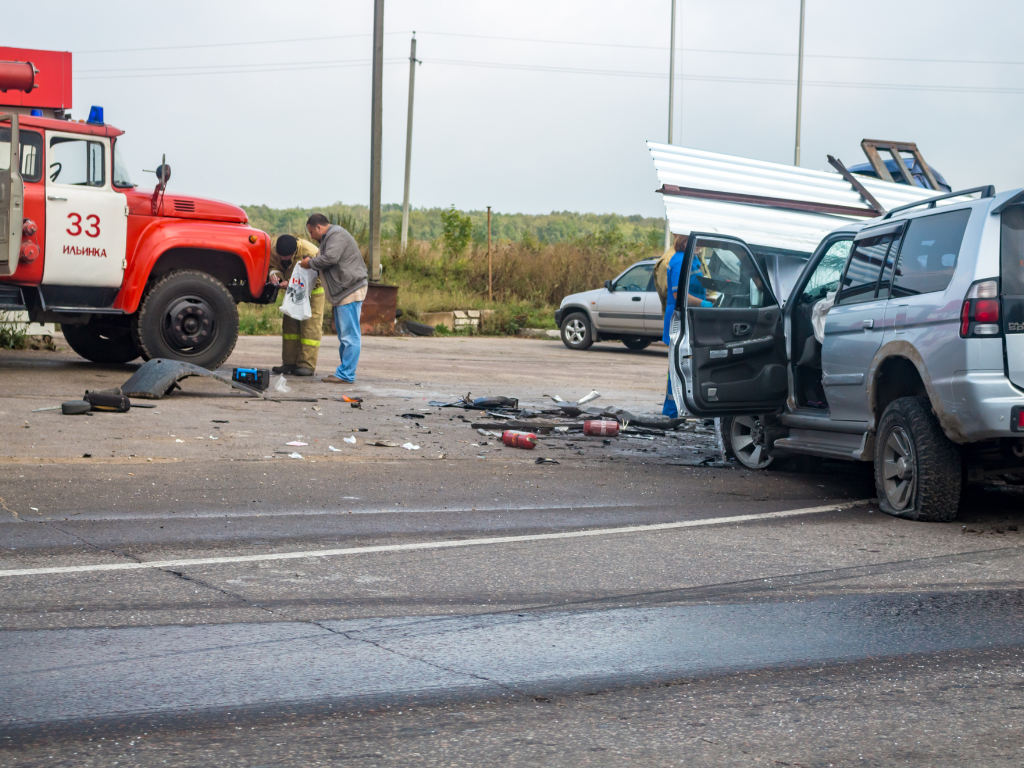
Workplace safety in Singapore has been under the spotlight, with 17 workplace deaths recorded in the first half of 2025 alone, many caused by vehicular incidents. Behind every statistic is a family, a company, and a set of risks that could have been managed better.
That’s where risk management comes in. And for many SMEs and safety officers, the journey starts with bizSAFE Level 2 training.
What Is Risk Management?
Simply put, every workplace has risks. Even sitting at a desk poses ergonomic hazards that most people don’t think about. For those working in high-risk industries like construction, logistics, or manufacturing, the risks multiply.
Risk management means:
-
Identifying risks and hazards
-
Measuring the likelihood and potential impact
-
Implementing control measures to reduce risks
-
Reviewing and improving plans over time
It’s not just about compliance, it’s about protecting lives, preventing injuries, and avoiding business disruption.
Why It Matters: Beyond Compliance
Failing to implement proper risk management can result in heavy consequences. In Singapore, penalties can include:
-
Fines up to $50,000 for first-time offences
-
Imprisonment for severe or repeated breaches
-
Stop-work orders
-
Mandatory external audits
Real cases in recent years show how fatal accidents often link back to poor risk control measures and negligence (CNA, ST).
The reality is harsh: no risk is ever zero. Even a slip or trip can turn into a serious injury.
Misconceptions SMEs Have About Risk Management
From my experience, SMEs and even safety officers often believe:
❌ Risk management is only for large corporations
❌ It’s just a compliance exercise — not worth the time
❌ Smaller businesses won’t get targeted or fined
In truth, SMEs face higher challenges because of limited resources and less structured safety processes. But accidents don’t discriminate by company size, and MOM investigations won’t either.
Hazards vs. Risks: Clearing Up the Confusion
Even seasoned officers mix up these terms. Here’s the difference:
-
Hazard: the category or activity that could cause harm (e.g., working at heights, slippery floors).
-
Risk: the likelihood and severity of harm occurring from that hazard.
Understanding this difference is the foundation of every risk assessment.
|
|
The Risk Management ProcessAt bizSAFE Level 2, participants learn how to:
It’s not a solo exercise, it takes a team effort and commitment across the company.
What Learners Often AskDuring bizSAFE Level 2 sessions, participants often worry:
These are valid concerns. My advice? Risk management doesn’t always mean expensive equipment — sometimes it’s about proper planning, awareness, and consistency. And most importantly, Singapore law protects those who act responsibly. |
|
|
|
|

Why SMEs Should CareBeyond avoiding MOM penalties, proper risk management also:
In Singapore, where up to 70% subsidies are available for SMEs, there’s little reason not to take risk management seriously. |
The Transformation After TrainingIn just two days, I see participants gain:
For many, it’s the first time they realise how a simple plan could prevent penalties, accidents, and even fatalities. |
Take the Next Step with bizSAFE Level 2
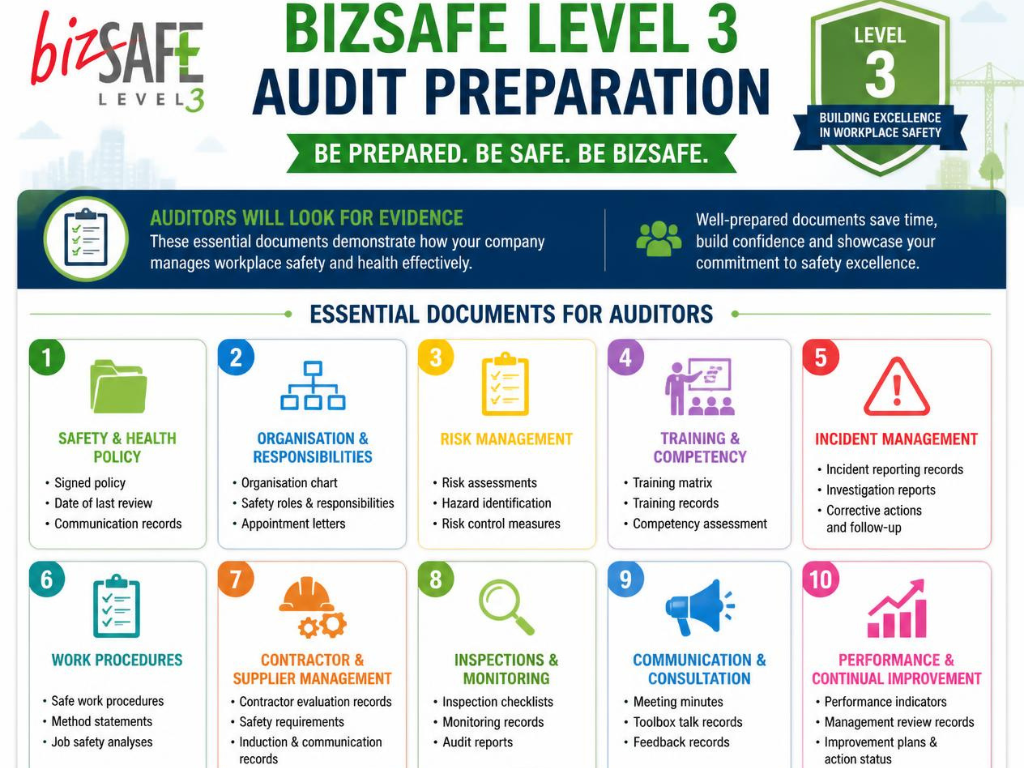
Risk management isn’t just paperwork. It’s protection. It’s prevention. And sometimes, it’s the difference between life and death. Whether you’re a safety officer looking to upskill or a business owner aiming for bizSAFE Level 3, Level 2 is your foundation.
✅ Gain the skills to conduct proper risk assessments
✅ Learn from real case studies and industry practices
✅ Protect your team, your business, and your future
👉 Sign up for our bizSAFE Level 2 course today!