- 14 Oct 2025
When Panic Strikes, Every Second Counts
What would you do if a small fire broke out in your kitchen or office pantry right now?
It sounds like something that only happens in the news, but fires occur almost daily in Singapore. From the Toa Payoh kitchen fire to incidents in Tampines and Potong Pasir, even schools like Singapore Polytechnic have seen lab fires in recent years. These cases remind us that fire emergencies can happen anywhere, anytime.
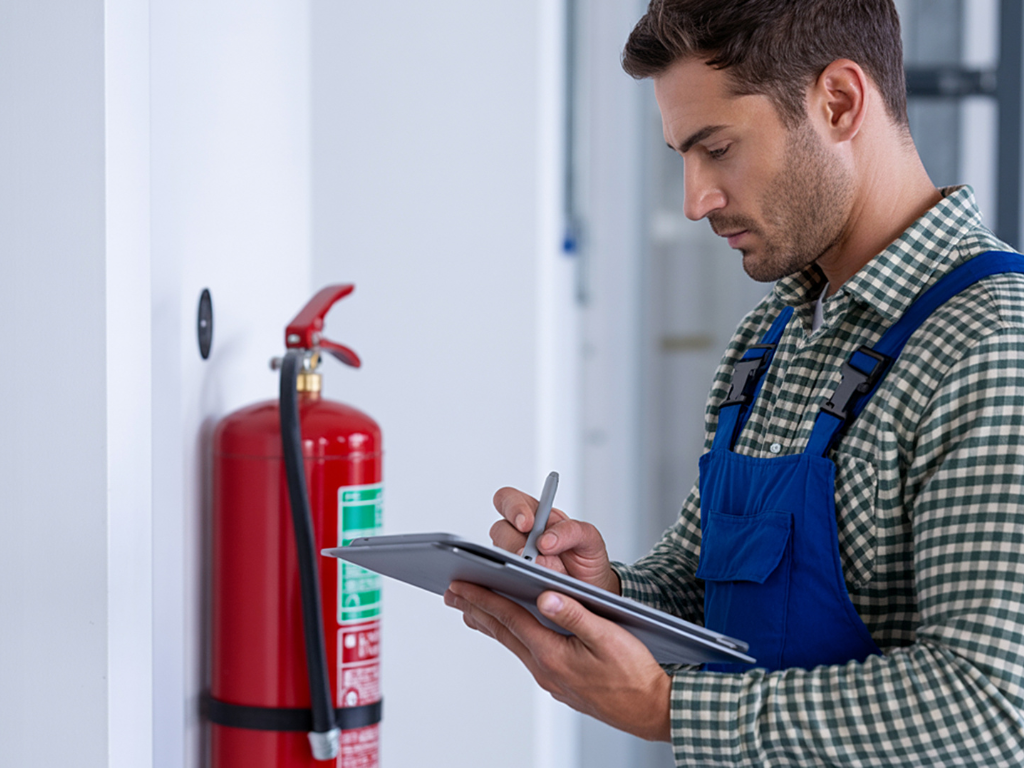
Knowing how to use a fire extinguisher properly can make all the difference before help arrives. You don’t need to be a firefighter, just knowing the basics could save lives. Let’s walk through it together, step by step.
Why Everyone Should Know How to Use a Fire Extinguisher
Fires don’t discriminate. They can start in an HDB flat, a car park, or a workplace storeroom, often from something as simple as a short circuit or unattended pan.
During our training sessions, I often notice that many first-timers hesitate when it’s time to press the handle. Some even jump in surprise when the extinguisher discharges! That hesitation is normal, but it’s also a reminder of why practice matters.
With just a little confidence and hands-on experience, anyone can learn to control a small fire safely without waiting helplessly for the SCDF to arrive.
The Different Types of Fire Extinguishers (and Which One to Use)
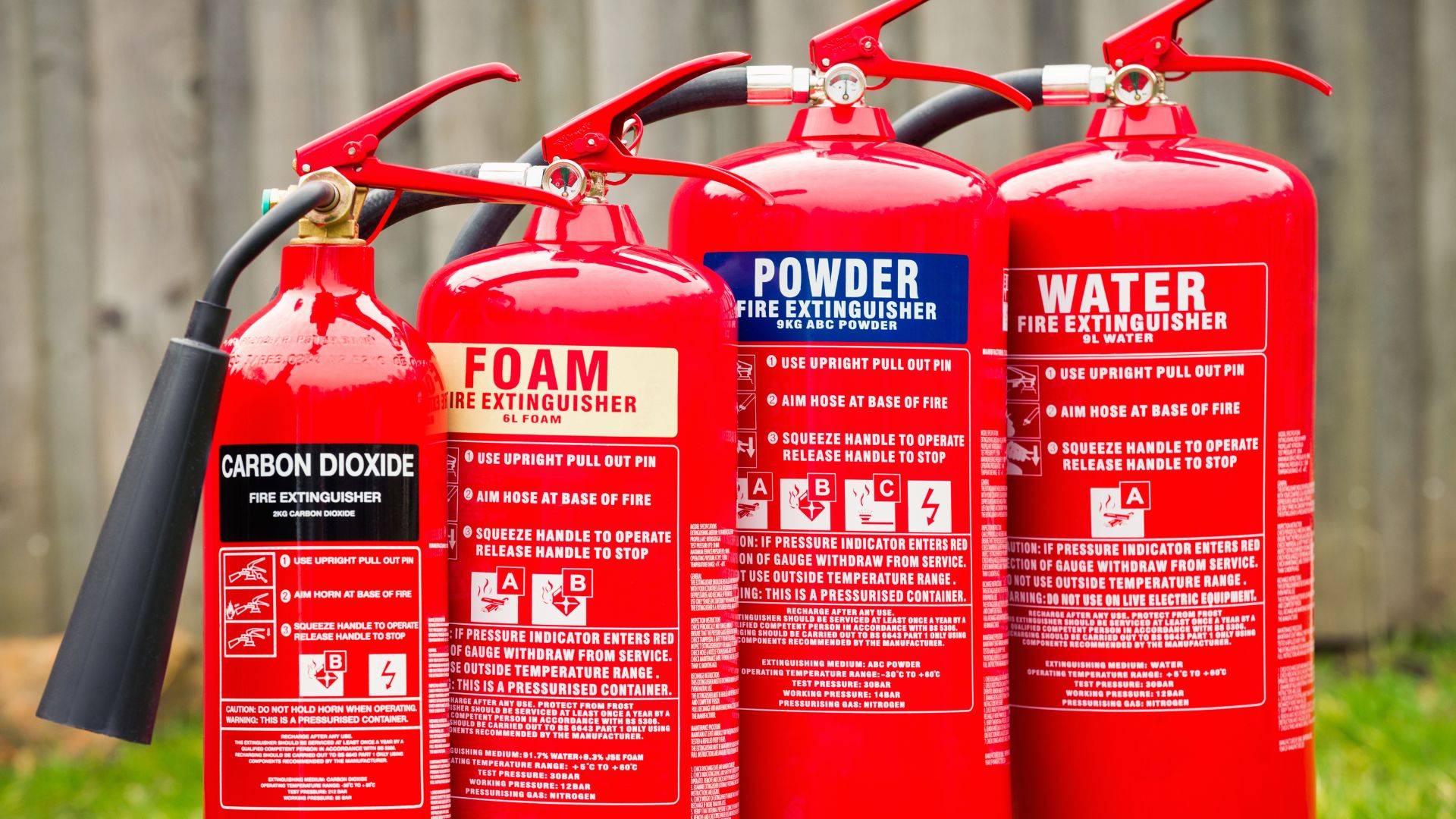
Not all fires are the same and neither are extinguishers. Using the wrong one could make a fire worse, especially if electrical or oil-based. Here’s a quick comparison to help you remember:
| Type | Best For | Avoid Using On | Notes | |||
|---|---|---|---|---|---|---|
| Water | Paper, wood, fabric (Class A fires) | Electrical or cooking oil fires | Common but limited use | |||
|
Dry Powder (ABC-rated) |
Most fire types: solid, liquid, and electrical | Cooking oil fires (Class F) | Most common for homes/offices | |||
| CO₂ (Carbon Dioxide) | Electrical fires, computer rooms | Enclosed spaces (risk of suffocation) | Used in our training sessions! |
💡 Tip: A 2kg dry powder extinguisher is usually sufficient for most households.
 |
Step-by-Step: How to Use a Fire Extinguisher (Remember PASS)When a fire breaks out, panic often sets in. That’s why the PASS method is so useful, it’s easy to remember, even in stressful moments. P – Pull the safety pin. A – Aim the nozzle at the base of the fire. S – Squeeze the lever. S – Sweep from side to side. ✅ Stand about 2–3 metres away. Remember: fire can double in size every few seconds. Stay calm, act quickly, and always know when to step away if it grows out of control. |
Common Mistakes People Make
Even with the right extinguisher, small mistakes can make things worse. Here are a few we often see:
-
Aiming too high (at the flames, not the base)
-
Forgetting to pull the safety pin
-
Standing too close or too far away
-
Dropping the extinguisher in panic
-
Using the wrong type for the fire
One common misconception is thinking “fire = water.” In reality, spraying water on oil or electrical fires can cause explosions or electrocution. Always check the label before use.
What Not to Do During a Fire
Some situations are simply too dangerous to handle alone. Here’s what not to do:
🚫 Don’t fight a fire that’s spreading rapidly or producing thick smoke.
🚫 Don’t block your escape route, always keep a clear path.
🚫 Don’t turn your back on a fire after it looks out, it might reignite.
If in doubt, evacuate immediately and call 995. Property can be replaced, people can’t.
Fire Safety Awareness in Singapore
In workplaces, fire extinguishers are required to meet local safety standards like SS EN 3 and SS 578. They must also be regularly maintained and properly tagged.
At home, while it isn’t mandatory to have a fire extinguisher, it’s strongly recommended. We’re fortunate that Singapore doesn’t experience forest fires or natural disasters, but that doesn’t mean we’re safe from kitchen or electrical fires.
As I often remind learners: “You don’t need to own a fleet of extinguishers, just one that’s working, nearby, and you know how to use.”
The Confidence Factor: Practice Makes Prepared
Fire extinguishers are simple tools, but confidence comes only from practice. You can read about the steps, but nothing replaces actually pulling that pin and feeling the pressure of a live extinguisher.
During our Fire Watch Training Course, participants get hands-on practice using real extinguishers in a safe environment. Many walk away remembering the feeling of squeezing the lever of the fire extinguishers and that’s exactly the kind of awareness that could make all the difference in an emergency.
If you’ve never handled one before, consider joining a short session. You might be surprised how quickly fear turns into confidence.
Don’t Wait Until It’s Too Late
A fire can start from something as small as an overheated charger or forgotten pan of oil. Taking a few minutes to learn how to use a fire extinguisher can help you react calmly and protect the people around you.
Remember:
✅ Know your extinguisher.
✅ Remember PASS.
✅ Stay calm and act safely.
And if you’re ready to learn hands-on, our Fire Watch Training Course offers the chance to practice with real equipment, so you’ll know exactly what to do when it matters most!