- 30 Jun 2026
BCLS vs CPR + AED in Singapore comes down to one question: how deep does your workplace’s cardiac response need to be? Both are SRFAC-accredited and valid 2 years, but they train different people for different settings. With close to 80% of cardiac arrests here happening outside healthcare facilities, the choice matters. This blog walks you through which course fits your workplace, using Advanced Safe’s Basic Cardiac Life Support training as the benchmark.
What’s the difference between BCLS and CPR + AED (Hands-Only)?
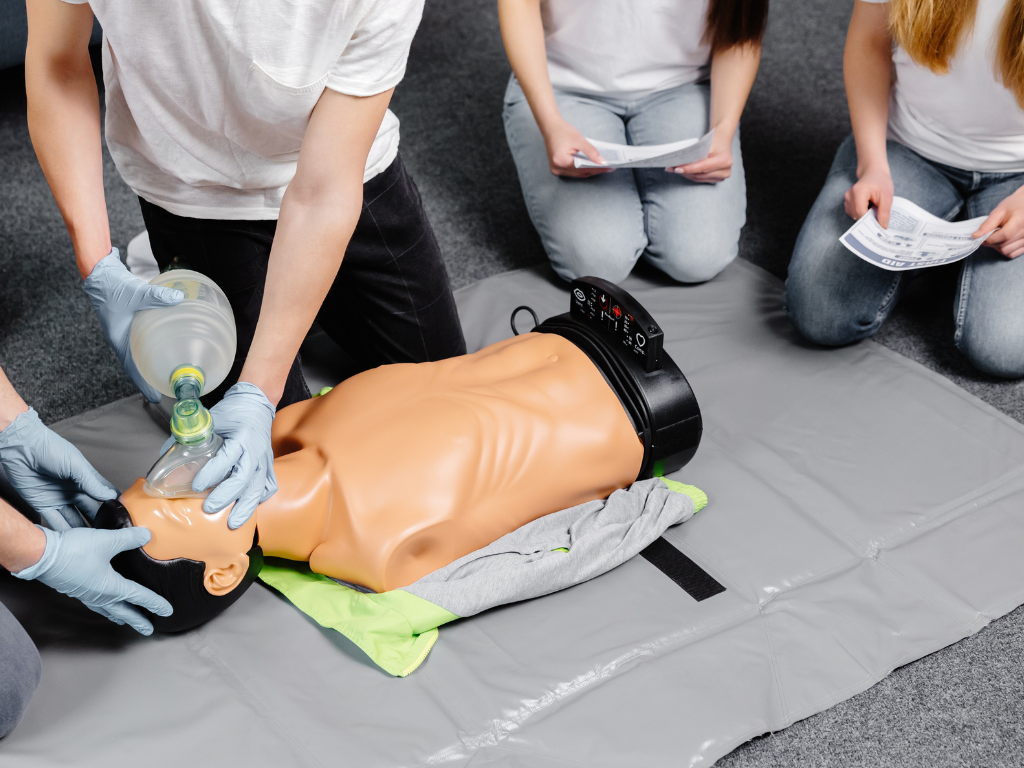
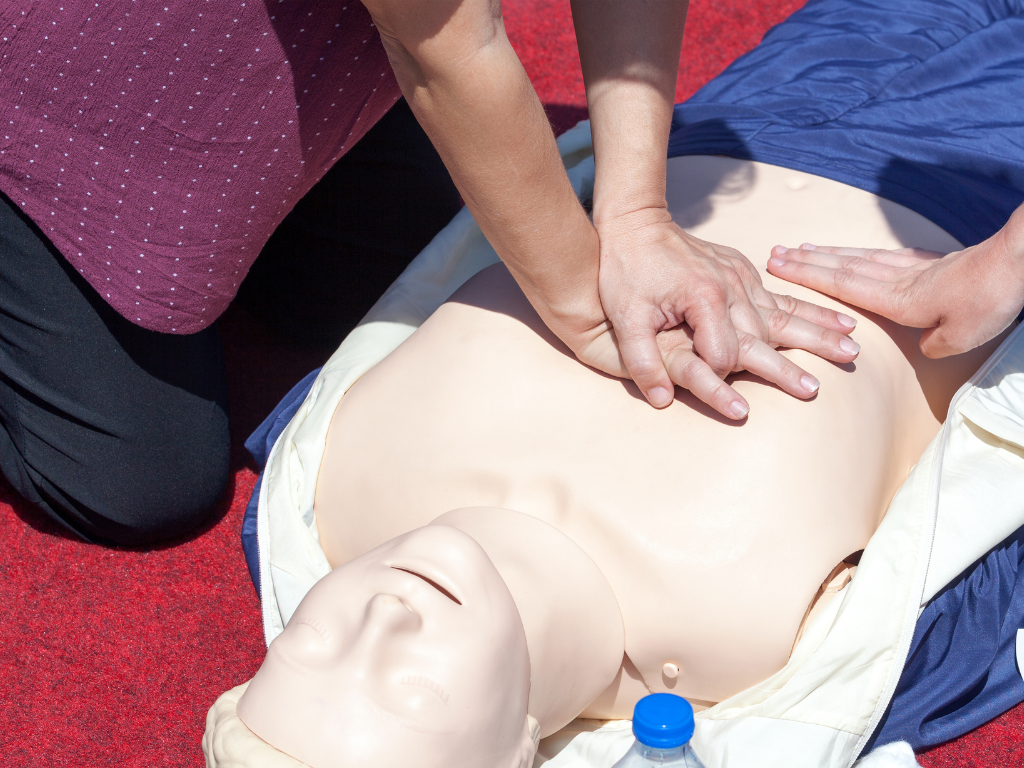
BCLS is the healthcare-grade course; CPR + AED (Hands-Only) is the bystander course. BCLS trains clinical staff to manage cardiac emergencies at a higher standard, while the hands-only course teaches anyone to start compressions and use an AED. Both carry SRFAC accreditation and a 2-year validity, so the split is about depth and audience, not recognition.
|
Attribute |
BCLS + AED |
CPR + AED (Hands-Only) |
|
Duration |
1 day (8 hours) |
Half day (4 hours) |
|
Depth |
Full cardiac life support, adult and infant, airway and AED |
Compression-only CPR plus AED use |
|
Who it’s for |
Healthcare staff, caregivers, patient-care roles |
General public, office employees, community responders |
|
Setting |
Hospitals, nursing homes, clinics |
Offices, homes, public spaces |
|
Accreditation |
SRFAC |
SRFAC |
|
Validity |
2 years |
2 years |
|
SkillsFuture |
Eligible |
Not eligible |
Read the setting first. The course follows from where the responder works, not the other way around. The CPR and AED hands-only course and BCLS share a skeleton, then diverge on depth.
Which course does your workplace actually need?
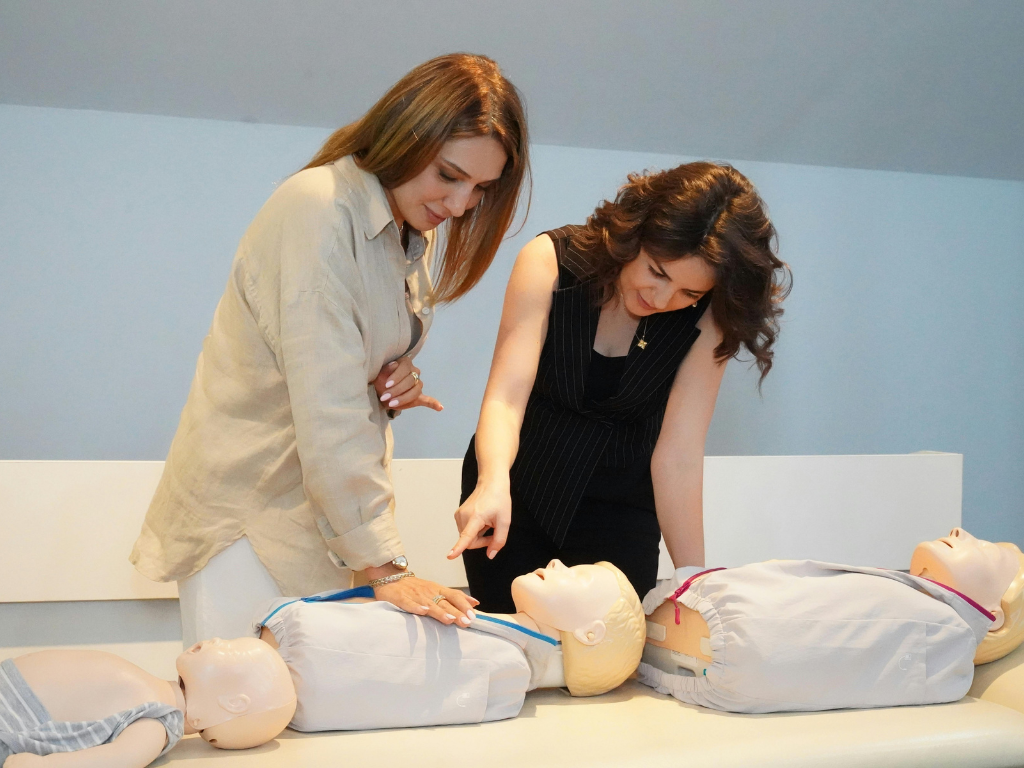
Match the course to your environment. A healthcare or patient-facing workplace needs BCLS. A standard office that wants real cardiac readiness needs CPR + AED (Hands-Only). Sending office admin staff through a full BCLS day is over-training for a setting where they will never manage a clinical airway.
In practice, the line is clean. Nursing homes, clinics, dental practices, and hospital support teams handle patients whose condition can deteriorate, so they need the depth BCLS gives across adult and infant resuscitation. A logistics office, a software company, or a retail head office faces the same sudden-collapse risk as any public space, but its responders are laypersons. They need to recognise arrest, push hard and fast, and switch on an AED. That is what the 4-hour hands-only course builds. If you are unsure which way your headcount splits, Advanced Safe can match your team to a course by role rather than defaulting everyone to the longest option.
What does BCLS cover that hands-only CPR + AED doesn’t?
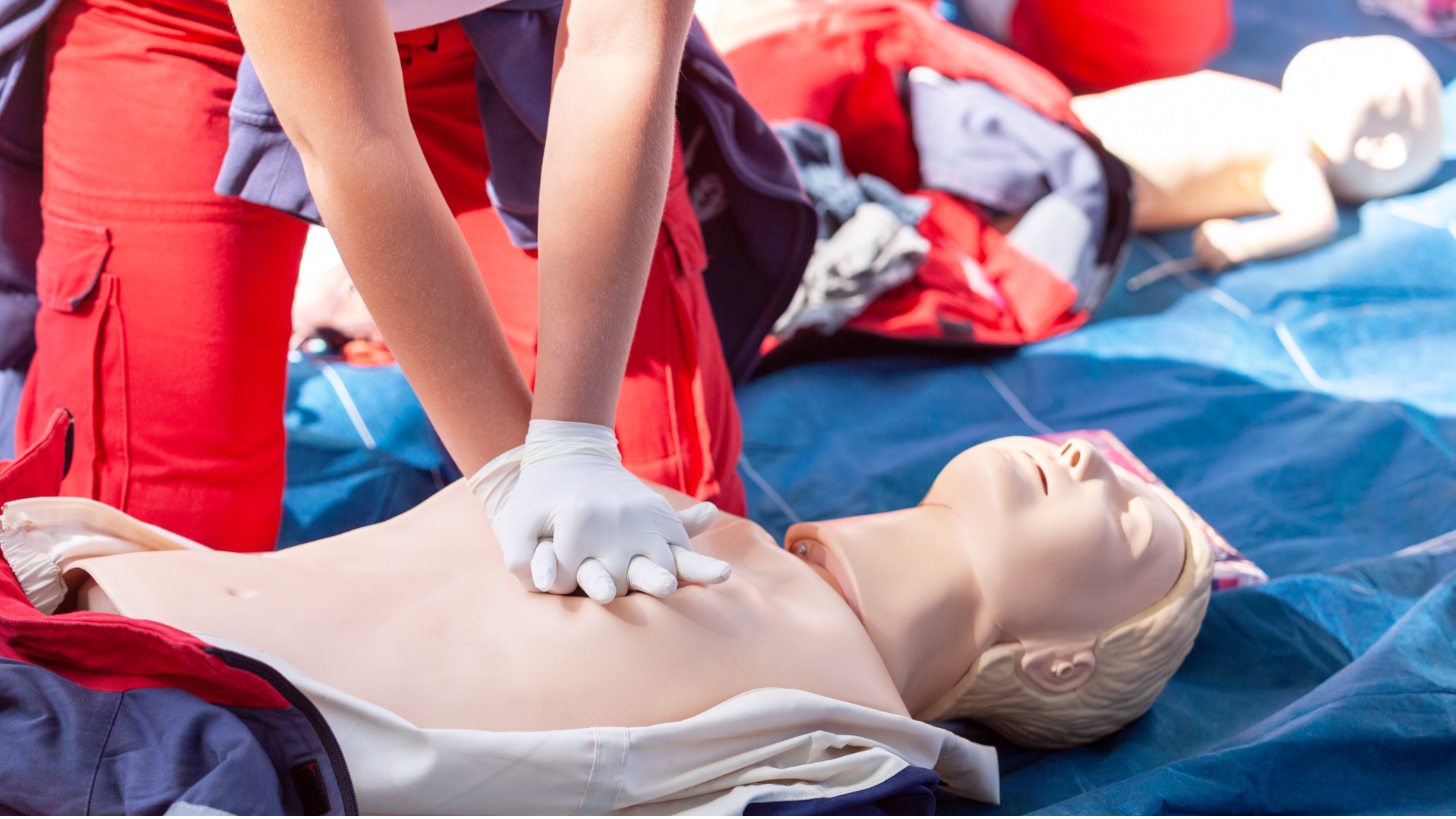
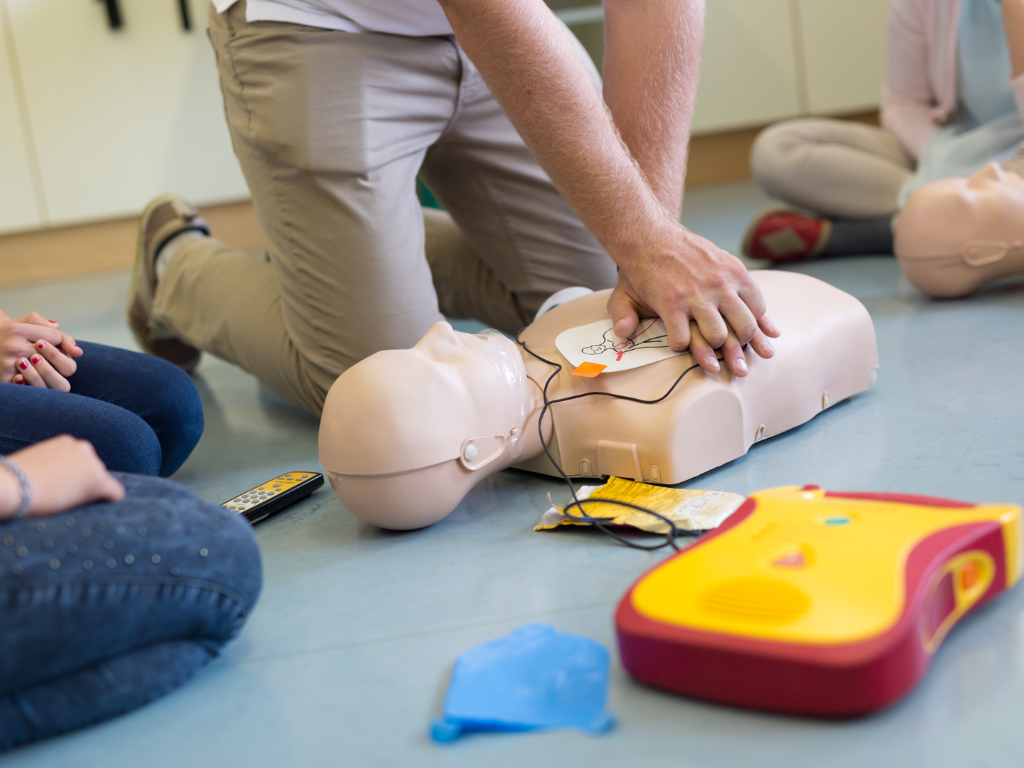
BCLS adds clinical depth: ventilations and airway management, resuscitation for both adult and infant casualties, and emergency protocols built for healthcare settings. The hands-only course deliberately strips back to compression-only CPR and AED use so a layperson can act without hesitation.
That difference is by design, not a shortfall. Compression-only CPR exists because hesitation kills; a bystander who skips mouth-to-mouth and just pushes still moves blood. BCLS assumes a trained responder who will manage an airway, deliver ventilations, and work within a clinical chain of care. Both run on a 1-day and half-day footprint respectively, both demand ES WPLN Level 5, and both end in a practical assessment. For a sense of what the deeper course involves on the day, inside a BCLS class sets out the assessment and skills in detail. The cleaner way to think about it: BCLS is for people who manage patients, hands-only is for people who happen to be there.
Who should take CPR + AED (Hands-Only) instead of BCLS?
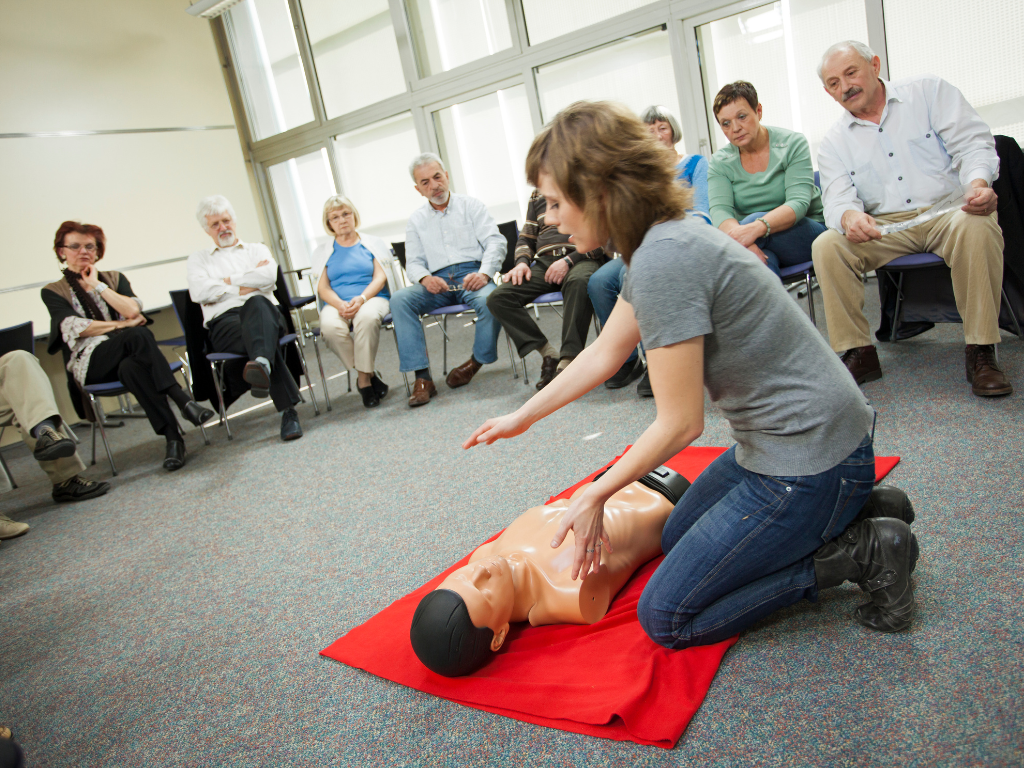
Anyone who is not a healthcare professional. The hands-only course suits parents, caregivers, office employees, and community members who want to respond to a collapse confidently. It is the right default for a non-clinical workplace building first-response coverage.
The need is not theoretical. The Singapore Heart Foundation’s 2024 CPR and AED survey found only 36% of people know how to use an AED, even though 44% say they would use one. That gap between willingness and skill is exactly what a half-day course closes. Worth noting: CPR + AED (Hands-Only) is also recognised under the SCDF framework for Company Emergency Response Team members, so it doubles as CERT-level readiness for many offices. It carries SRFAC accreditation and a 2-year certificate, the same recognition window as BCLS.
How long is each course, and how do format and funding differ?
BCLS runs a full day at 8 hours; CPR + AED (Hands-Only) runs a half day at 4 hours. Both include theory and practical training and end in assessment. The funding split is the practical decider many teams miss.
BCLS is SkillsFuture eligible, so individuals can offset the fee with SkillsFuture Credit. The CPR + AED (Hands-Only) course is not SkillsFuture eligible, and payment runs through bank transfer or PayNow, with private group training available for groups above 8 participants. For a large office training thirty staff at once, the hands-only course’s shorter footprint means less time off the floor, while the lack of SkillsFuture support shifts more of the cost onto the employer. Both certificates stay valid for 2 years, after which a renewal applies.
Does either course satisfy MOM workplace first-aider requirements?
No. Neither BCLS nor CPR + AED (Hands-Only) is the certificate MOM recognises for an appointed workplace first aider. That role requires the occupational first aid course, a 3-day programme accredited by both MOM and SRFAC.
This trips up procurement regularly. A company reads the WSH (First-Aid) Regulations, sees it needs trained first aiders above 25 employees, and books BCLS or a CPR course because they sound right. Where this breaks down is the audit. Only OFA satisfies the appointed-first-aider requirement under the regulations. BCLS is a healthcare credential, and CPR + AED (Hands-Only) is bystander readiness; both are valuable, neither is the compliance course. If your goal is regulatory coverage, start with OFA, then add BCLS or hands-only training where the role calls for it.
Why does a non-clinical office need cardiac training at all?
Because most cardiac arrests do not happen in hospitals. According to the Singapore Heart Foundation, Singapore records more than 3,000 sudden cardiac arrests a year, with close to 80% occurring in residential and public settings rather than healthcare facilities.
That single figure dismantles the “we’re just an office” reasoning. A collapse in your lobby is statistically more likely than one in a clinic, and survival drops with every minute that passes before compressions and a shock. The Heart Foundation notes that early AED use “can more than double the survival rate.” An office with staff trained in hands-only CPR and a mounted AED is the difference between a bystander who freezes and one who acts in the first two minutes. Cardiac readiness is a workplace safety measure, not a healthcare luxury.
Match the depth to the setting
The decision is not which course is better. It is which depth your setting needs. BCLS gives clinical teams the full standard of cardiac life support. CPR + AED (Hands-Only) gives an office the fast, confident bystander response that the data says matters most. Neither replaces Occupational First Aid for MOM compliance. Map your people by role, then certify each group to the depth its setting demands.
Sort your workforce by where they work and what they would face in a collapse, then book BCLS for clinical roles and the half-day hands-only course for everyone else.
FAQs About BCLS Vs CPR AED Singapore
Are BCLS and CPR + AED both SRFAC-accredited and valid for 2 years?
Yes. Both the BCLS + AED course and the CPR + AED (Hands-Only) course at Advanced Safe Consultants are accredited by the Singapore Resuscitation and First Aid Council (SRFAC), and both certificates are valid for 2 years from the date of issue. Renewal applies before expiry.
Can I use SkillsFuture for the CPR + AED (Hands-Only) course?
No. The CPR + AED (Hands-Only) course is not SkillsFuture eligible; payment is by bank transfer or PayNow, with private training available for groups above 8. The BCLS + AED course, by contrast, is SkillsFuture eligible and also accepts bank transfer and PayNow.
Is hands-only CPR as effective as CPR with breaths for a bystander?
For an untrained or lay responder, hands-only CPR is the recommended approach because uninterrupted compressions keep blood moving and remove the hesitation that costs time. The CPR + AED (Hands-Only) course teaches exactly this, paired with AED use, which the Singapore Heart Foundation says can more than double survival.
Which course is better for a first-time office responder?
CPR + AED (Hands-Only). It is the half-day, 4-hour course built for laypersons, covering compression-only CPR and AED use for offices, homes, and public spaces. BCLS is the healthcare-grade alternative for clinical staff. For MOM workplace first-aider compliance, the Occupational First Aid Course applies instead.