- 20 Apr 2026

Most Singapore companies book one fire safety course for the entire office. Everyone sits through the same half-day session regardless of whether they answer phones or operate angle grinders. That mismatch between role and training is where fire readiness breaks down. This guide will walk you through how to match fire watch training, fire safety awareness, and emergency response preparation to the people who actually need each one.
Where Singapore companies get fire safety training selection wrong
The default approach looks like this: HR picks a date, books a provider, sends the entire team. Office admin staff sit beside welders. The receptionist gets the same certificate as the maintenance crew. On paper, everyone is trained. On the ground, nobody got what they needed.
This happens because course selection follows convenience instead of fire exposure. A general employee working in a climate-controlled office faces different fire risks than someone cutting metal on a construction deck. Sending both groups to the same session means one group is over-trained for their actual risk, and the other is under-prepared for theirs.
The fix is straightforward: assign training based on what the role actually does during normal operations and what it requires during a fire event.

What to check before assigning fire safety courses by role
Before booking any course, map your workforce against four questions.
Day-to-day fire exposure. Does this role work near ignition sources, flammable materials, or heat-generating equipment? Office staff in a Tanjong Pagar tower face different exposure than a welder on a Jurong shipyard.
Responsibility during an incident. Is this person expected to evacuate, or are they expected to stay behind and manage the response? That single distinction separates awareness training from response training.
Whether hot work is involved. Welding, grinding, cutting, torching. If the role involves any of these, generic fire awareness is not enough. The person needs task-specific fire-watch instruction tied to permit-to-work controls.
Whether the role sits inside a broader emergency response structure. Some premises operate Company Emergency Response Teams (CERT) or have fire emergency plans that assign specific duties to named staff. Training must align with those assigned duties, not just general awareness.
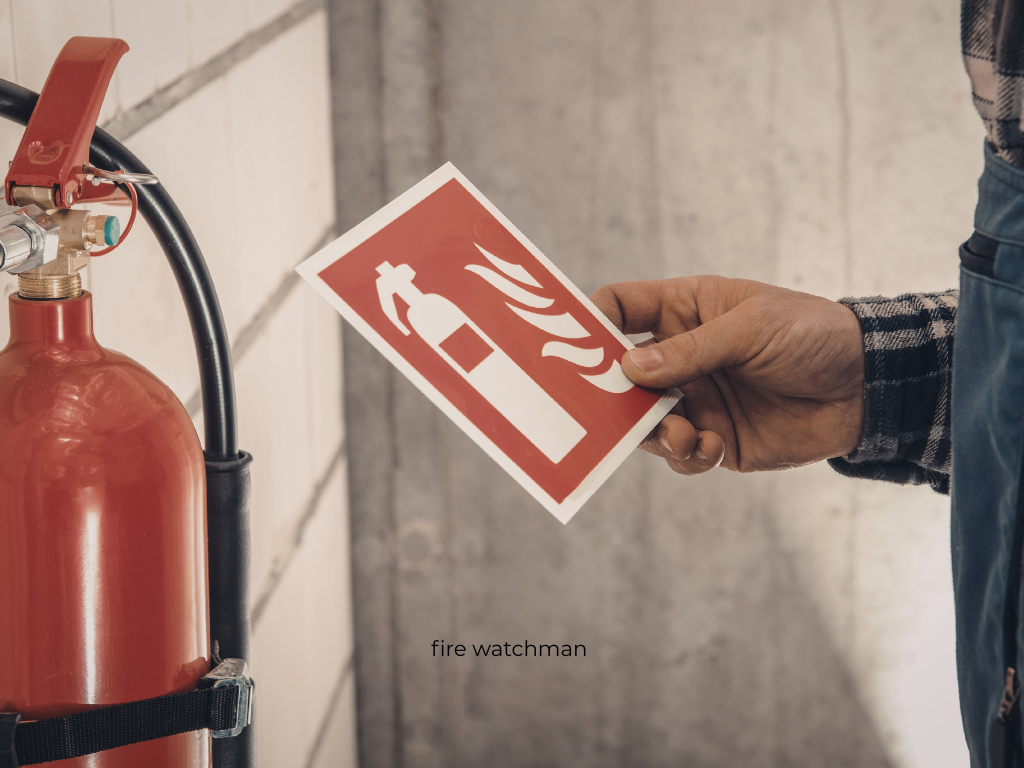
Office staff need fire safety awareness, not site-specific hot-work instruction
For employees working in standard office environments, the training objective is recognition and safe evacuation. These staff need to know what a fire alarm sounds like, where the assembly point is, how to use a fire extinguisher in a basic scenario, and who to report hazards to.
What office-based employees should be trained to do
Recognize common fire hazards in their environment: overloaded power strips, blocked fire exits, improperly stored flammable cleaning agents. Respond to fire alarms without confusion. Execute evacuation procedures specific to their building. Use a portable fire extinguisher if safe and appropriate within the scope of their training.
What office staff do not need
Fire-watch-specific instruction for permit-controlled hot work. Specialized emergency response team functions unless they have been formally appointed to such a role. Advanced intervention duties that go beyond their normal office responsibilities.
Where a fire safety awareness course fits
A fire safety awareness course delivered by Advanced Safe Consultants covers fire hazards, prevention measures, emergency response procedures, evacuation protocols, and familiarity with fire extinguishers and fire safety systems. This is the right scope for general office populations. It builds baseline readiness without over-training staff for risks they will never face in their day-to-day roles.
Fire wardens need response-level training mapped to real emergency duties
A fire warden role carries responsibilities that go beyond knowing where the exit is. Wardens guide occupants during evacuation. They check assigned zones. They communicate with building management or emergency coordinators. In multi-floor offices or large commercial premises, fire wardens are often the difference between orderly evacuation and chaos.
The training a fire warden receives must reflect those operational duties. Awareness-level content is a starting point, but wardens need practice with coordination, communication under pressure, and systematic zone-checking procedures.
When a fire warden role needs more than awareness training
When the person is assigned formal evacuation or incident-response responsibility within the building’s fire emergency plan. When the premises is large, multi-tenanted, or has complex evacuation routes. When the company has an internal emergency response structure that depends on wardens as first-line coordinators.
For companies structuring fire readiness beyond basic awareness, planning fire safety coverage by risk and role is a practical next step.
What employers should check before booking fire warden training
Review the building type and its fire emergency plan. Check which internal emergency roles already exist. Confirm whether the fire warden role requires CERT-level preparation or whether response-oriented briefings and drills are sufficient. The answer depends on the premises, not on a generic training catalogue.
Hot-work teams need fire training tied to active ignition risk, not generic induction
Teams involved in welding, cutting, grinding, or similar high-heat activities operate in a different fire-risk category than the rest of the workforce. These activities introduce sparks, molten material, and radiant heat into environments that may contain combustible materials nearby.
A general fire safety briefing does not prepare someone to monitor an active hot-work zone, enforce stop-work authority, or maintain post-work fire watch after tasks end. These are operational fire-control functions that demand specific, role-based instruction. The international NFPA 51B Standard for Fire Prevention During Welding, Cutting, and Other Hot Work codifies these expectations, including requirements for trained fire watch personnel with authority to stop operations when conditions become unsafe.
Where fire watch training fits for hot-work teams
Advanced Safe Consultants delivers a Fire Watch Training Course designed for fire watchmen, fire watchers, fire patrollers, and security personnel responsible for fire safety during hot work operations. The course covers hazard identification, fire prevention measures, emergency response procedures, evacuation protocols, and hands-on experience with fire extinguishers under realistic conditions. Certification is valid for four years.
Understanding when fire watch is required during hot works in Singapore helps employers decide whether their teams need this level of preparation.
What employers should brief before any hot-work training decision
Identify the type of hot work: welding, brazing, grinding, torching. Clarify whether the operations are routine or temporary. Document the worksite environment, including proximity to combustible materials, ventilation conditions, and existing fire suppression systems. Confirm who is responsible for watching, reporting, and calling stop-work if conditions become unsafe.
When your company needs broader workplace emergency response planning, not just individual fire courses
Some companies reach a point where employee-level training alone cannot cover their fire risk profile. This typically happens when the premises has high occupancy, complex evacuation requirements, or higher-risk processes running simultaneously.
Singapore’s regulatory framework recognizes this through structures like Company Emergency Response Teams (CERT) and the requirement for Fire Emergency Plans in certain building types. These are system-level arrangements that go beyond sending individuals to fire courses.
The Singapore Civil Defence Force (SCDF) sets out requirements for fire safety management in buildings through the Fire Code 2023, which outlines fire safety expectations based on building type and occupancy risk.
Signs your site has moved beyond basic employee fire awareness
Response roles have been formally assigned to named staff. The premises includes higher-risk processes, elevated occupancy, or mixed-use zones. Coordinated first-response capability is needed, not just individual evacuation knowledge. Evacuation planning requires zone-by-zone coordination across multiple floors or tenants.
Build a staff training matrix before choosing any fire safety training provider
Before contacting any provider, sort your workforce into groups based on actual fire exposure and emergency responsibility. A simple matrix removes guesswork and prevents the one-course-fits-all mistake.
| Staff Group | Fire Exposure | Emergency Role | Training Type | Refresher Priority |
| General office staff | Low (electrical, kitchen) | Evacuate safely | Fire Safety Awareness Course | Every 2-3 years |
| Fire wardens / evacuation leads | Low to moderate | Guide evacuation, check zones, coordinate | Response-oriented training + drills | Annually |
| Hot-work teams / fire watchers | High (sparks, heat, molten material) | Active fire monitoring, stop-work authority | Fire Watch Training Course | Every 4 years (cert validity) |
| Emergency response team members | Varies by premises | Coordinated first-response duties | CERT or equivalent + fire emergency plan alignment | Per internal schedule |
This matrix works for SMEs with 20 staff and for operations with 200. The categories stay the same. The number of people in each group changes.
How Advanced Safe Consultants fits companies that need practical fire safety training in Singapore
Advanced Safe Consultants Pte Ltd is a Singapore-based workplace safety and health (WSH) consultancy and training provider. For fire safety, their verified course offerings include the Fire Watch Training Course and the Fire Safety Awareness Course.
The Fire Watch Training Course is a half-day classroom programme designed for fire watchmen, patrollers, and supervisors responsible for fire safety during hot work. Assessment requires 100% competency in both practical and written components. Certification lasts four years.
The Fire Safety Awareness Course covers fire hazard recognition, prevention measures, emergency response, evacuation protocols, and fire extinguisher familiarity. It targets general employees in standard workplace environments.
Both courses are relevant for companies looking to match course type to workforce role rather than applying one generic training session across the board.
What to ask a provider before booking fire safety training for your employees
Before signing up your team, put these questions to any training provider.
Does the course match the role? A course for office staff should not be sold to hot-work teams. Ask specifically which job functions the course prepares participants for.
What practical duties does the course prepare staff for? Evacuation awareness? Active fire monitoring? Zone-checking during an incident? The answer should be specific, not a general list of topics.
Can the provider help map training to an internal staff matrix? Providers who understand role-based training will ask about your workforce composition before recommending a course. If the provider suggests the same course for everyone, that is a red flag.
What does the course not cover? This question reveals scope gaps. A fire safety awareness course should not claim to prepare someone for active hot-work fire monitoring. A fire watch course should not claim to replace CERT-level emergency response training.
Does the course support actual workplace readiness? Ask whether the training includes hands-on components, scenario-based exercises, or assessment criteria. Certificate collection without demonstrated competency is attendance, not readiness.
Match the course to the role. Match the role to the risk.
Workplace fire safety training in Singapore works when the course matches the person’s actual fire exposure and emergency responsibility. Office staff need awareness. Fire wardens need response-level preparation. Hot-work teams need active fire-watch instruction tied to permit controls and post-work monitoring.
Some companies also need broader emergency response planning that connects individual training to a system-level fire emergency plan.
If your company needs to sort which fire safety courses fit which staff groups, Advanced Safe Consultants can help you match verified course types to your actual workforce risk profile.
FAQs About Workplace Fire Safety Training Singapore
What workplace fire safety training is required for office staff in Singapore?
Office staff in standard environments typically need a fire safety awareness course covering hazard recognition, evacuation procedures, and basic extinguisher familiarity. This training matches the risk level of climate-controlled office settings without over-preparing staff for operational hazards they do not face.
Do fire wardens need a different course from general employees?
Yes. Fire wardens carry evacuation coordination and zone-checking responsibilities that go beyond basic awareness. Their training should include scenario-based exercises aligned with the building’s fire emergency plan and any CERT structure in place.
Is fire watch training only for welding or hot-work teams?
Fire watch training is designed for anyone assigned to monitor fire risk during high-heat activities including welding, cutting, grinding, and torching. It also applies to security personnel and supervisors responsible for fire safety in operational environments where temporary ignition risks exist.
How should SMEs build a fire safety training matrix for different employee roles?
Group staff by fire exposure level and emergency responsibility. Map each group to the matching training type: awareness for office staff, response-oriented training for wardens, and fire watch instruction for hot-work teams. Assign refresher timelines based on certification validity and operational changes.
Which fire safety courses does Advanced Safe Consultants Pte Ltd offer for workplace teams?
Advanced Safe Consultants offers a Fire Watch Training Course for fire watchmen, patrollers, and supervisors in hot-work environments, and a Fire Safety Awareness Course for general employees in standard workplace settings. Both are classroom-based half-day programmes with practical and written assessments.