- 23 Jul 2026
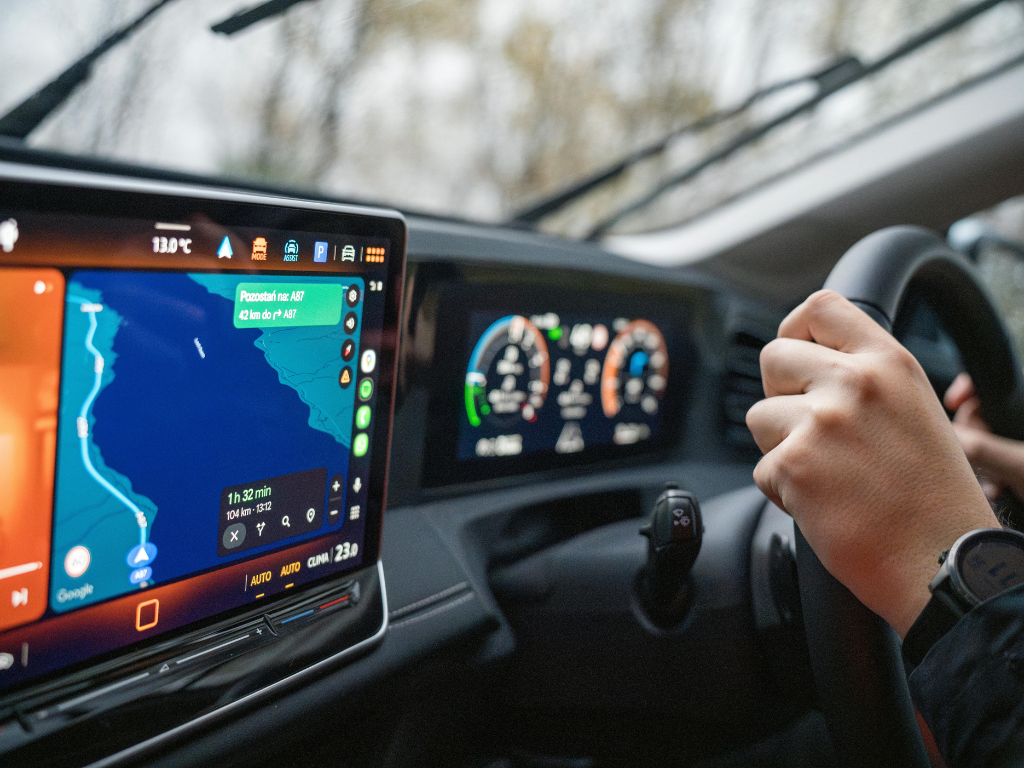
Vehicular safety technology on Singapore worksites covers vehicle-mounted cameras, worker and obstacle detection systems, automated traffic management systems, and traffic mannequins. WSH Council named all four in its 12 June 2026 advisory, and roughly 7 in 10 businesses have already adopted some WSH technology. This blog walks you through what each does and which removes the most risk, alongside banksman certification.
What counts as vehicular safety technology on a Singapore worksite?
Four categories, named by WSH Council in its June 2026 advisory: vehicle-mounted cameras, worker and obstacle detection systems, automated traffic management systems, and traffic mannequins. The Council’s stated purpose for all four is technology “that reduces the need for workers to be in high-risk work areas.”
That phrase is the whole point, and it is worth reading twice. The measure of a safety technology is not how much information it produces. It is how much human exposure it removes. A camera that feeds a driver a perfect rear view has removed nobody from the danger zone. A mannequin standing where a traffic controller used to stand has removed exactly one person from it. Both appear on the same list, and they are not doing the same job. Sorting them on that basis is what separates a procurement decision from a shopping list.
Why is WSH Council pushing technology in 2026?
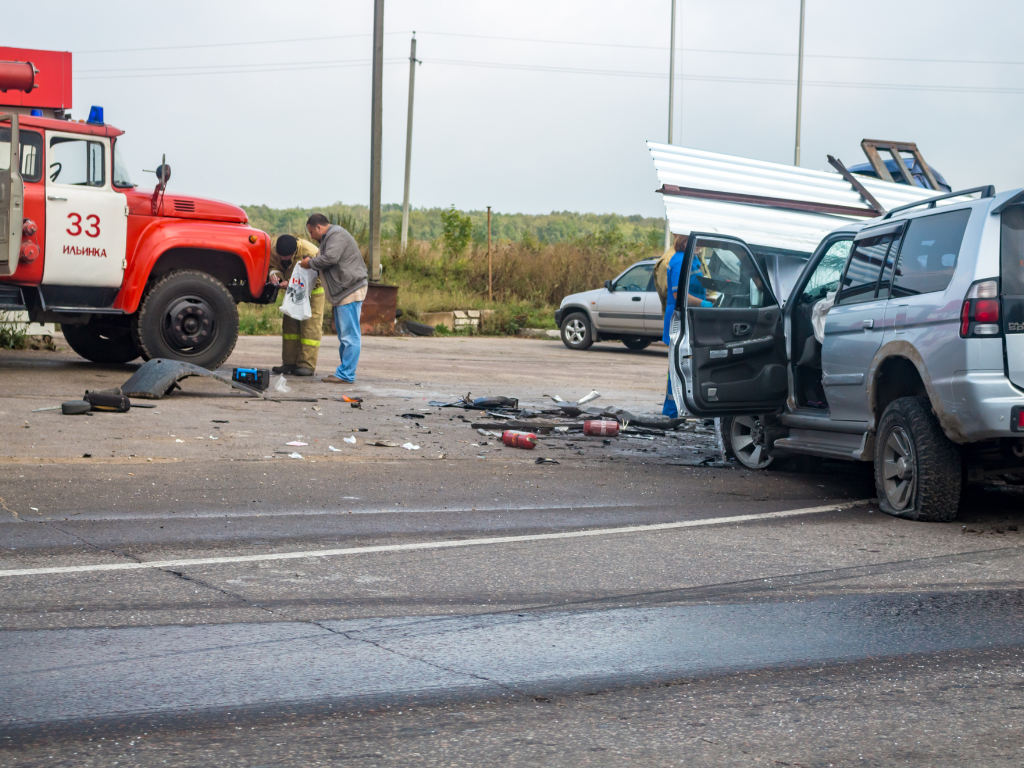
Because the human controls keep failing in the same place. Vehicular incidents were the leading cause of workplace deaths in 2025, 15 of 36 reported by MOM, and WSH Council’s advisory follows four fatalities involving banksmen and traffic controllers between 2022 and 2025, plus a May 2026 incident.
Every one of those workers was standing where a vehicle or machine could reach them. Training, vests, and briefings all operate on the person inside that zone. Technology is the first control on the list that operates on the zone itself, either by giving the machine eyes or by removing the need for a person to be there at all. The economics reinforce it. WSH Council makes the case that accident costs, including compensation and business recovery, damage the bottom line, and that investment in technology reduces that exposure. The pattern behind why vehicles top the fatality list has not shifted in four years, which is why the Council is now pointing at the tools rather than repeating the reminders.
What do vehicle-mounted cameras do, and where do they fall short?
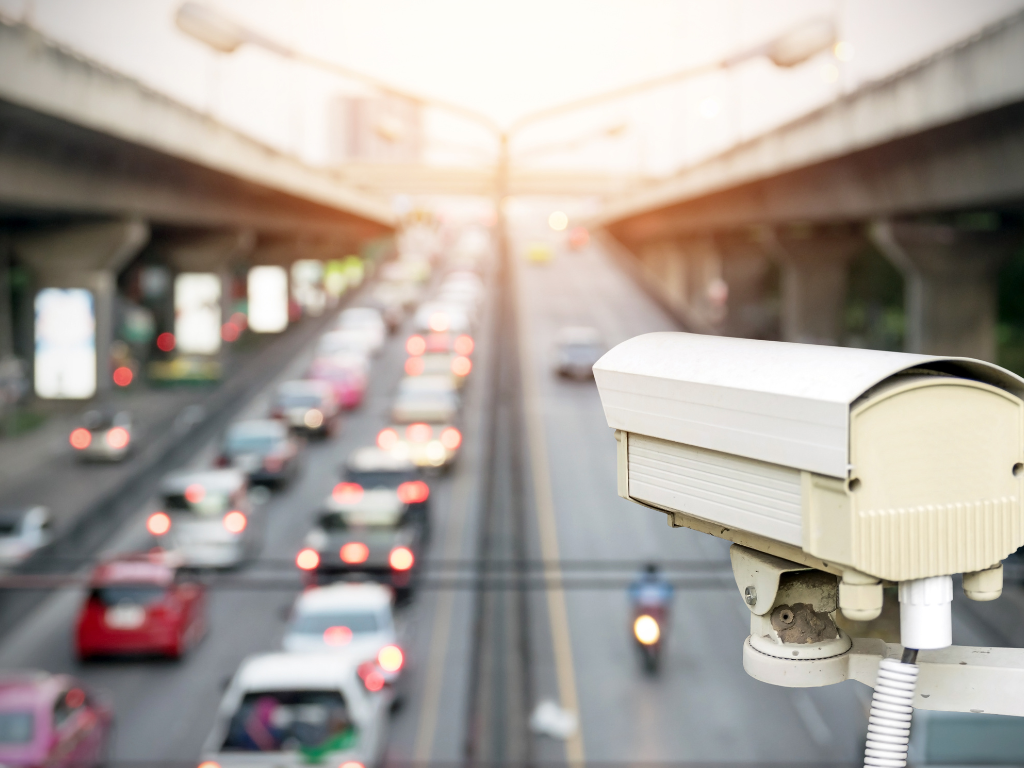
Cameras give the driver vision into the areas mirrors do not cover, particularly the dead zone directly behind the vehicle. They inform. They do not intervene, they do not alert, and they do not stop anyone walking into the path.
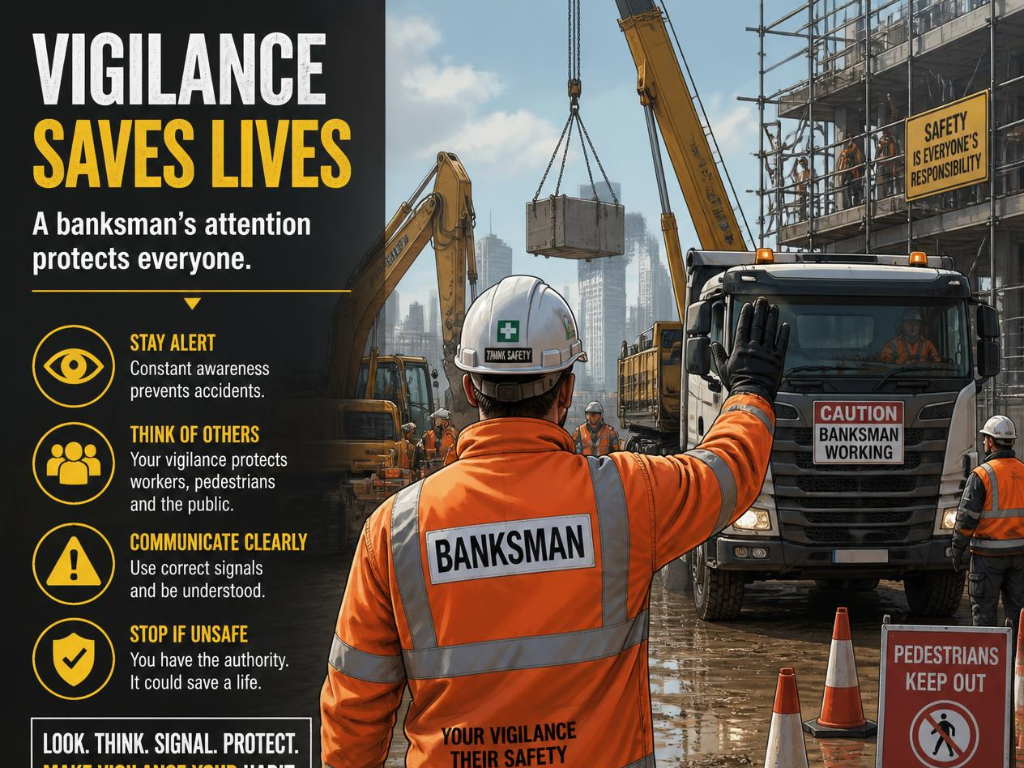
The limitation is structural. A reversing camera puts an image on a screen that a driver has to look at, while also steering, checking forward, and managing the task. Passive vision competes for attention at the exact moment attention is scarcest. That is why cameras belong in a stack rather than on their own. Successor Builders installed front, back, and side cameras across all their vehicles in 2020 alongside driver assistance and status monitoring systems, and the cameras worked as part of that combination rather than as the whole answer. Where a manoeuvre still needs directing, the standard signal set and a competent banksman remain the control. A camera shows the driver a picture. It does not govern the manoeuvre.
How do worker and obstacle detection systems compare?
Detection systems are a step up, because they act rather than inform. Proximity sensors, AI blind-spot detection, and anti-collision systems identify a person or object in the danger zone and alert the operator in real time, without waiting for the driver to check a screen.
The Singapore evidence here is the strongest in the whole category. Zheng Keng Engineering & Construction fitted an AI blind spot detection camera system to one of its three telescopic forklifts in February 2022, and vehicular near misses on that machine fell from roughly five per year to zero. That is a clean before-and-after on a single machine, which is rare and useful. Sin Chew Woodpaq pairs proximity sensors with driver status and behaviour monitoring for real-time alerts on unsafe situations. Detection earns its place because it closes the gap that kills: the driver who genuinely did not know a person was there. An alert reaches the operator whether or not he was looking at the screen.
What do automated traffic management systems and traffic mannequins do?
Automated traffic management systems control flow, signalling, and vehicle movement without a person standing in the traffic to do it. Traffic mannequins take over traffic controller functions at high-risk positions, which means a mannequin absorbs the strike a human would have taken.
The mannequin is the most revealing item on WSH Council’s list, and the least discussed. It is not a productivity tool. It is an admission that some positions are too dangerous to staff with a human being, and the Council’s recommendation of it signals exactly that. Where a traffic controller stands at a point with live vehicle exposure and no viable separation, the honest answer is not a brighter vest. It is nobody standing there. Automated systems work the same logic at the zone level, managing flow so that fewer people are exposed for less time. Both sit at the top of the technology hierarchy because they remove the person rather than protect them.
Does any of it actually work on Singapore sites?
Yes, with measurable results, and WSH Council publishes them. The gains are real enough to justify capital spend on their own terms.
|
Technology |
What it does |
Exposure removed |
Singapore result |
|
Vehicle-mounted cameras |
Shows the driver the blind area |
None; informs only |
Deployed fleet-wide by Successor Builders (2020) with driver assistance systems |
|
Worker/obstacle detection |
Alerts the operator in real time |
Partial; catches the unseen worker |
Zheng Keng: near misses about 5/year to zero (from Feb 2022) |
|
Automated traffic systems |
Manages flow without a person in traffic |
High; fewer people exposed |
SBS Transit: 44% fewer head-to-rear cases in year one of ADAS |
|
Traffic mannequin |
Stands where a controller stood |
Total, at that position |
Recommended by WSH Council for high-risk controller functions |
One result deserves a straight reading rather than a spin. Or Kim Peow Contractors adopted an anti-collision system across about 10% of its applicable fleet from July 2023, and WSH Council records that it reduced the company’s reliance on banksmen while improving workforce allocation. Reduced reliance is not elimination, and the same advisory that recommends technology also requires trained banksmen, drivers, and operators under control 4. Technology thins out the number of positions where a human must stand in harm’s way. It does not delete the duty to have competent people directing the manoeuvres that remain, so you still certify the roles that remain after the hardware goes in.
How do you choose and fund the right technology?
Start from the risk, not the catalogue. WSH Council’s own sequence begins by identifying the vehicular risks on your site, then matching technology to those risks, and only then approaching vendors. Local SMEs can claim the Productivity Solutions Grant, which subsidises technology investment expenses by up to 50%.
The funding pathway is concrete and underused. Eligible SMEs select from pre-approved vendors listed on GoBusiness, obtain a quotation, then submit a PSG application through the Business Grants Portal using CorpPass, with the claim filed before the due date. Enterprise Singapore administers it. The step most sites skip is the first one, and skipping it is how a company ends up with cameras on machines that never reverse near people while the actual pinch point stays uncontrolled. Your traffic risk assessment already names where vehicles and people meet, and that list is your procurement brief. Read WSH Council’s vehicular safety technology guidance for the full adoption sequence, then pair technology with certified people so the manoeuvres that still need a human are run by someone trained to do it.
Buy the technology that removes the person, not the one that watches them
Vehicular safety technology on Singapore worksites divides cleanly once you apply the right test. Cameras inform the driver. Detection systems alert him. Automated systems and traffic mannequins remove the worker from the zone entirely, which is the outcome WSH Council is actually asking for. The evidence backs the higher end: near misses falling to zero, collision rates dropping 44% in a year.
Map every point where your vehicles pass close to workers on foot, buy the control that takes the person out of that spot, and check your PSG eligibility before you request a quotation.
FAQs About Vehicular Safety technology Singapore Worksite
Can technology replace a banksman on a Singapore worksite?
Not entirely. WSH Council records that anti-collision systems reduced one contractor’s reliance on banksmen from July 2023, but the same June 2026 advisory still requires trained banksmen, drivers, and operators under control 4. Technology reduces how many people must stand in danger zones. It does not remove the duty to have competent persons directing manoeuvres.
Does the Productivity Solutions Grant cover vehicular safety technology?
Yes. PSG subsidises technology investment expenses by up to 50% for eligible local SMEs, administered by Enterprise Singapore. Companies select from pre-approved vendors on GoBusiness, get a quotation, and apply through the Business Grants Portal with a CorpPass account, submitting the claim before the due date.
What is a traffic mannequin?
A traffic mannequin performs traffic controller functions at high-risk positions in place of a human worker. WSH Council recommends it in its 12 June 2026 advisory as technology that reduces the need for workers to be in high-risk areas. It is the only listed control that removes the person from the danger zone completely.
Which vehicular safety technology should a small logistics yard start with?
Start with worker and obstacle detection on the machines that reverse near people, typically forklifts. Zheng Keng Engineering & Construction cut near misses on a telescopic forklift from about five per year to zero using AI blind spot detection from February 2022. Detection alerts the operator without depending on him checking a screen.