- 10 Jan 2026

When you evaluate workplace safety training, deciding between an occupational first aid course Singapore and focused cardiac response instruction can feel confusing. This blog will walk you through what each qualification covers, how they differ in scope, and guide you to the right choice for your risk profile and operational needs.
What Employers Are Actually Asking

Many business leaders in Singapore start by asking, “Do we need an occupational first aid qualification or just CPR and AED skills?” That’s a fair question, because each programme equips responders with different capabilities and applies to different incident types. A good starting point is understanding how Singapore defines workplace preparedness under its safety framework. According to the Ministry of Manpower’s guidance on workplace first aid requirements, employers are expected to align training with realistic workplace risks rather than rely on a single standard across all environments.
What Occupational First Aid Really Means

Defining Occupational First Aid
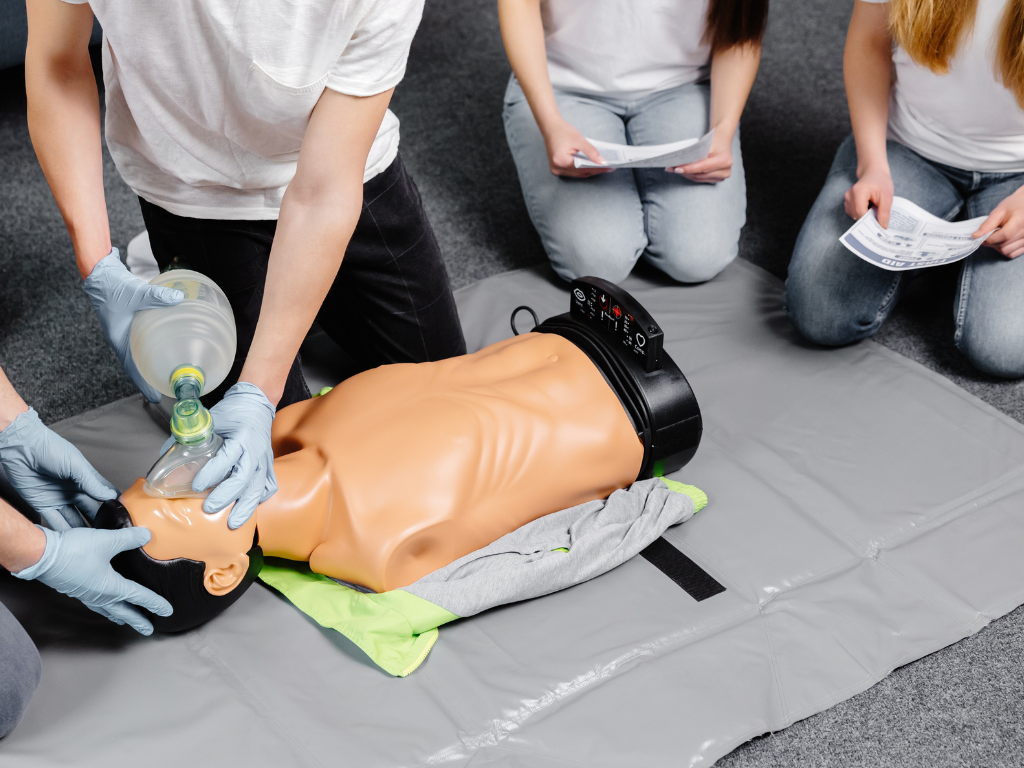
An occupational first aid course Singapore is structured to equip individuals with a broad set of response skills for workplace incidents. It covers:
- Managing a variety of injuries and sudden illness
- Stabilising trauma before professional help arrives
- Communication and escalation procedures
- Legal document readiness
Practically, workplaces with machinery, significant manual tasks, or multi-shift operations need this level of response capability because the potential for diverse incident types is higher.
Why This Course Isn’t Just “Basic First Aid”
Basic first aid such as treating minor cuts or burns is part of the spectrum. But occupational first aid explicitly prepares responders for adult trauma, shock management, fractures, and work-specific hazards that aren’t typically in generic or public first aid sessions.
For example, an SME operating light industrial equipment will see more complex risks than a small office. The broader skill set in the occupational course directly responds to that.
What CPR + AED Training Covers
Cardiac Emergencies Demand Focused Skills
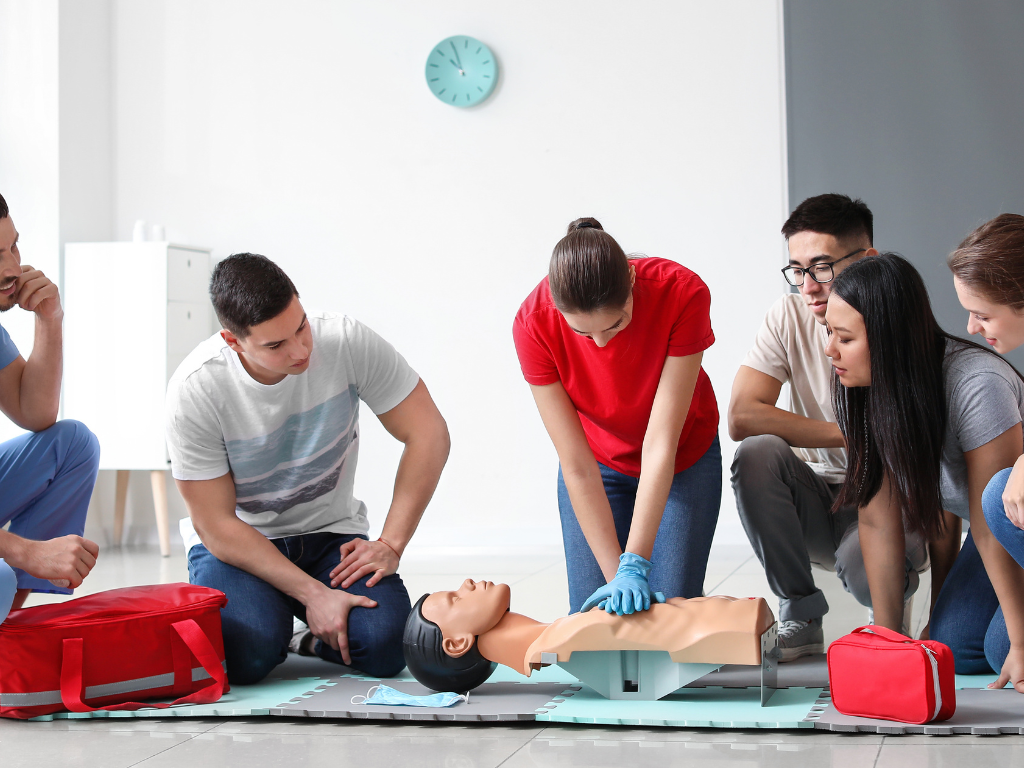
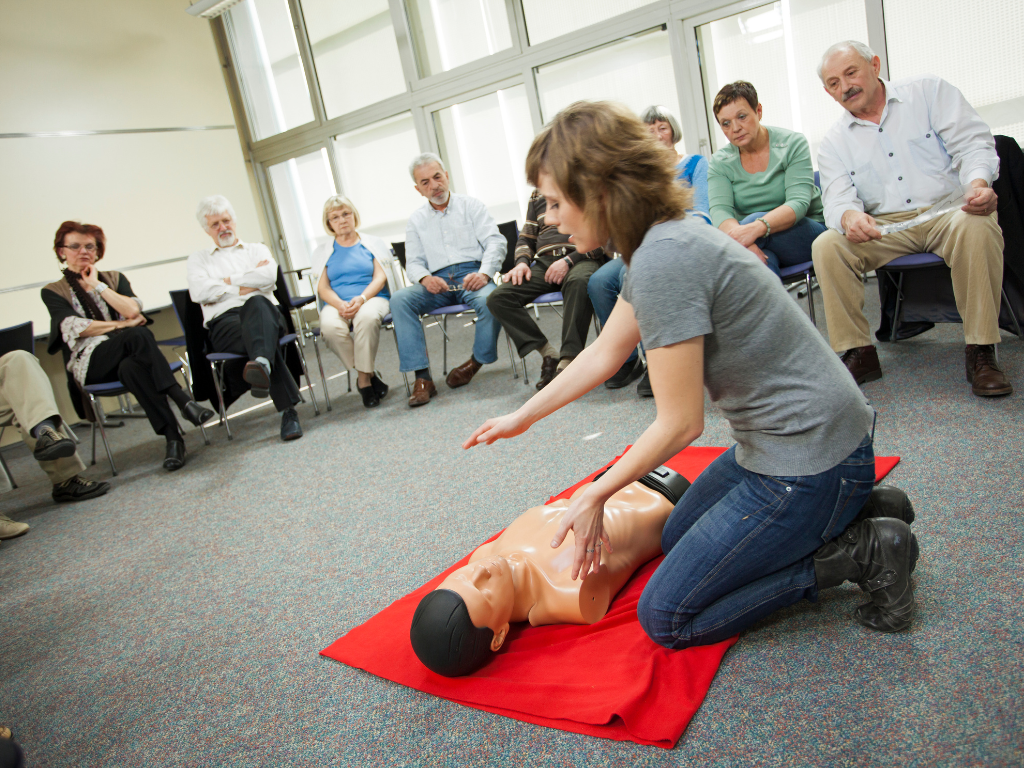
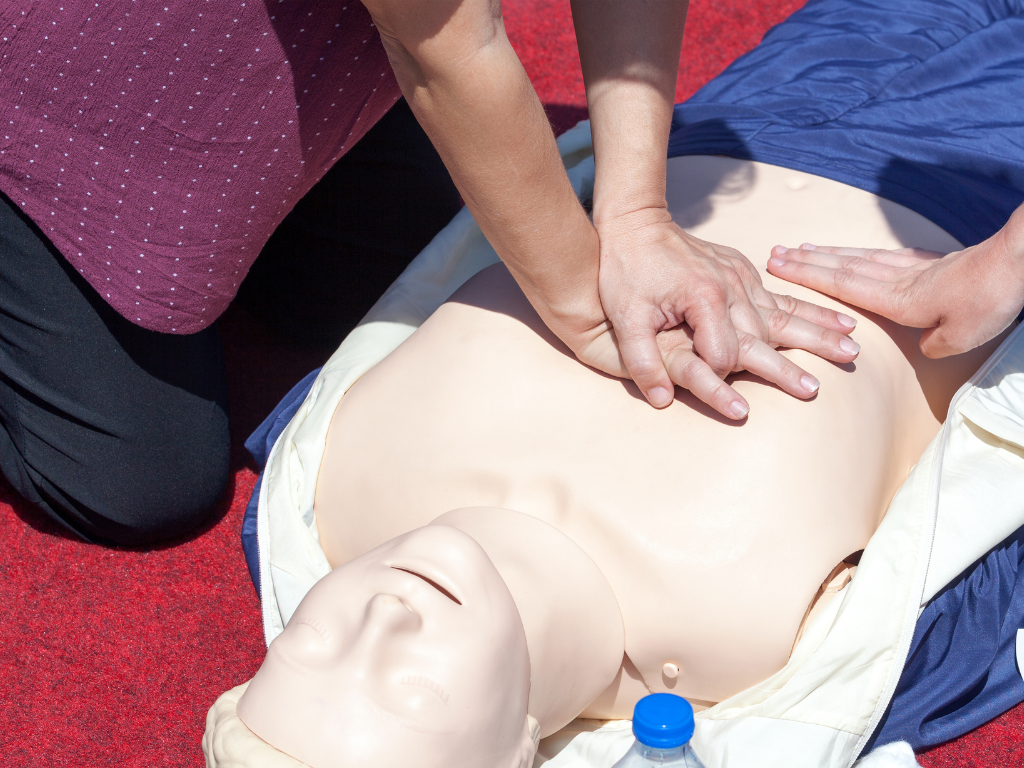
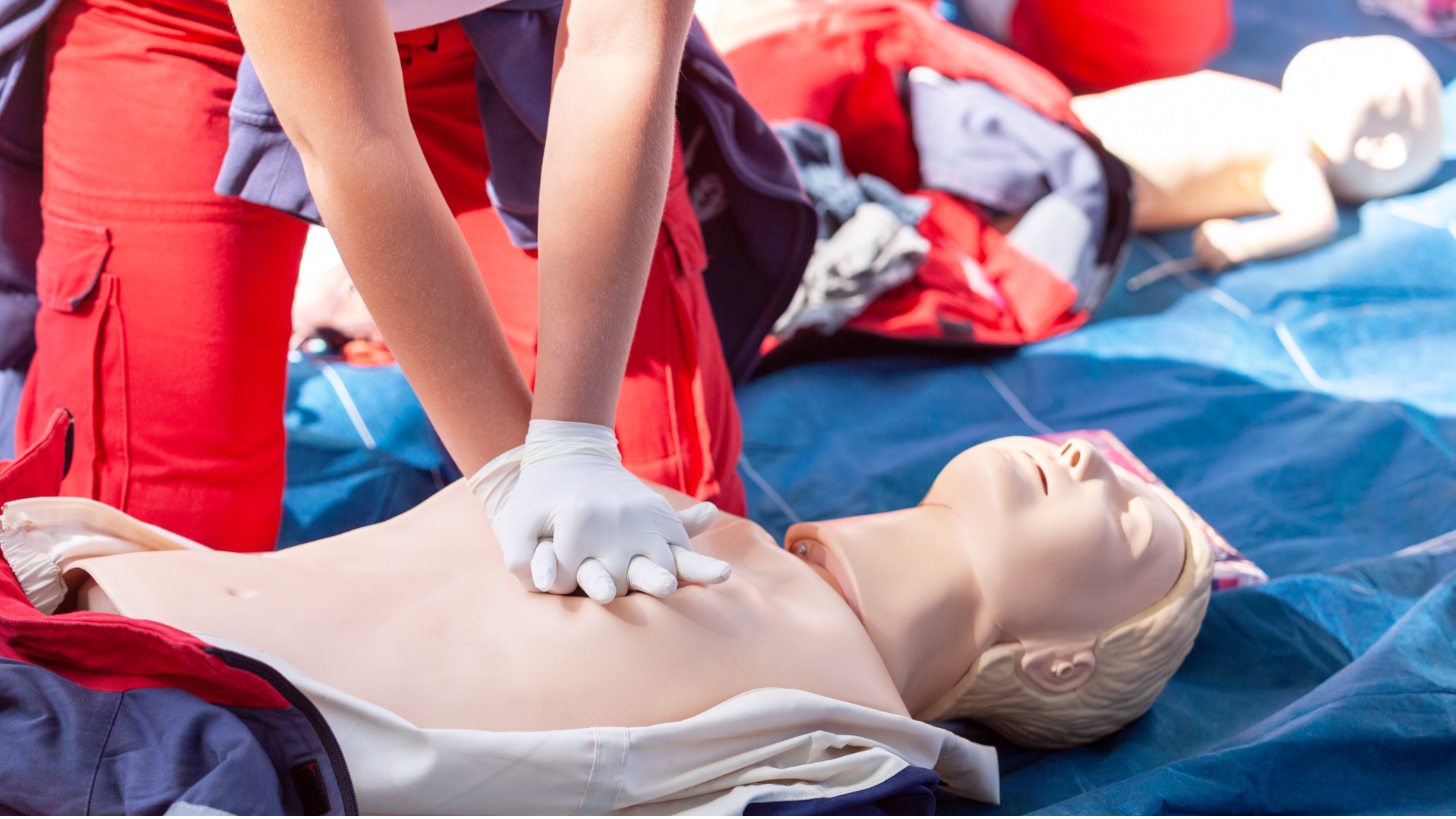
A CPR AED course Singapore focuses on cardiopulmonary resuscitation and the correct use of an automated external defibrillator (AED). The entity “AED” refers to the device that can deliver a shock to restore heart rhythm during cardiac arrest, and CPR is the manual pressure that keeps oxygen flowing. These skills are measured by depth of compressions, rhythm timing, and safe AED deployment.
This training is critical in environments where:
- Cardiac risk is significant due to worker demographics
- Physical exertion is frequent
- Public or large populations are present
The BCLS AED course Singapore guide provides real classroom expectations around AED use and response timing in cardiac emergencies.
How the Two Qualifications Compare
Here’s a breakdown to help you see the differences clearly:
| Attribute | Occupational First Aid Course | CPR + AED Course |
| Incident Scope | Broad trauma and medical emergency | Focused cardiac arrest response |
| Skill Complexity | Wide range | Narrow but vital |
| Workplace Suitability | Industrial, back-of-house risk environments | Any setting where cardiac events could occur |
| Regulatory Fit | Meets workplace training expectations | Supports emergency cardiac readiness |
| Typical Modules | Injury stabilisation, risk assessment, rescue breathing, incident documentation | CPR technique, AED operation, basic life support |
Where You Actually Need Each Training
Office Environments
At low physical risk workplaces with minimal machinery and predictable task sets (e.g., desk-based teams), your priority often starts with cardiac emergency readiness, since sudden adult cardiac arrest calls for immediate AED + CPR intervention. That said, minor injuries (slips, cuts) still occur making a mixed strategy sensible.
Industrial or High-Risk Spaces
When workers handle heavy equipment, elevated platforms, or hazardous materials, occupational first aid becomes more valuable because it addresses a broader set of potential incidents. In these settings, layering CPR + AED after or alongside occupational first aid yields the best coverage.
Regulatory and Compliance Edge
Singapore’s workplace safety framework does not mandate a single training combination for all employers. Instead, it emphasises risk-based planning. The Workplace Safety and Health Council’s guidance on emergency preparedness reinforces the expectation that employers assess incident likelihood and response time when deciding training depth.
Why AED Skills Are Not Optional
Out-of-hospital cardiac arrests have extremely short survival windows. Medical research consistently shows that survival rates decline sharply with every minute defibrillation is delayed. This makes AED deployment a core life-saving intervention in large workplaces, public facilities, and locations with high foot traffic.
Evidence summarised by the American Heart Association on CPR and defibrillation timing demonstrates that early AED use, combined with high-quality CPR, dramatically increases survival chances before emergency medical services arrive.
For responders, AED competence is not theoretical. It directly affects whether decisive action happens during a real collapse.
Credential Validity and Renewal
All certifications have a practical lifespan. First aid skills decay without practice, and CPR technique evolves with global health guidance. Be aware that renewal timelines for occupational first aid credentials and AED/CPR certifications differ. The first aid certificate renewal timeline explains how to structure your refreshers so that competency remains sharp.
How to Choose for Your Workplace
You can run a quick self-audit by asking:
- What incidents are most likely here?
- How soon could professional help arrive?
- Who is present at peak and off-peak hours?
- Does our risk register include cardiac risk?
If your answers include machinery-related injuries, chemical exposure, or delayed external help, start with the occupational course at your core. Then add CPR + AED to give your first responders complete preparation.
Personal Stance: Coverage Over Compliance
Companies that choose training based on compliance alone miss a key point: response impact. When someone collapses from cardiac arrest, bleeding severely, or losing consciousness after a fall, the speed and appropriateness of response defines outcome quality, not the name of the certificate on file.
The best training strategy connects qualification with real capability. That’s why many safety directors integrate occupational first aid as the foundation and CPR + AED as essential vertical skills.
Conclusion
Choosing between occupational first aid and CPR + AED training is not an either/or decision. Your choice should reflect actual workplace risk, workforce demographic, and the real incidents you might face. Assess your environment, understand each programme’s depth, and build a safety training stack that protects people when it counts.
If you want clarity on which training combination fits your workplace, Advanced Safe Consultants can help you assess your risks and recommend the right first aid and CPR + AED courses based on real operational needs and Singapore’s WSH expectations.
Frequently Asked Questions
What is included in an occupational first aid course?
An occupational first aid course Singapore covers broad emergency response skills including trauma management, stabilisation techniques, wound care, rescue breathing, scene assessment, and reporting fundamentals relevant to workplace incidents.
Do office workplaces need CPR + AED training?
Yes. Any place where adults spend significant time benefits from CPR + AED skills because sudden cardiac arrest is unpredictable and requires immediate action for survival.
Is CPR + AED enough if my workplace is low-risk?
For low-risk physical environments, CPR + AED training provides life-saving cardiac response capability. However, even in low-risk spaces, basic injury response skills still matter.
How often should workplace first aid certifications be renewed?
Certification renewal depends on programme standards, typically every 2 years, but refresher sessions for skills like CPR should occur more frequently to maintain proficiency.