- 13 May 2025
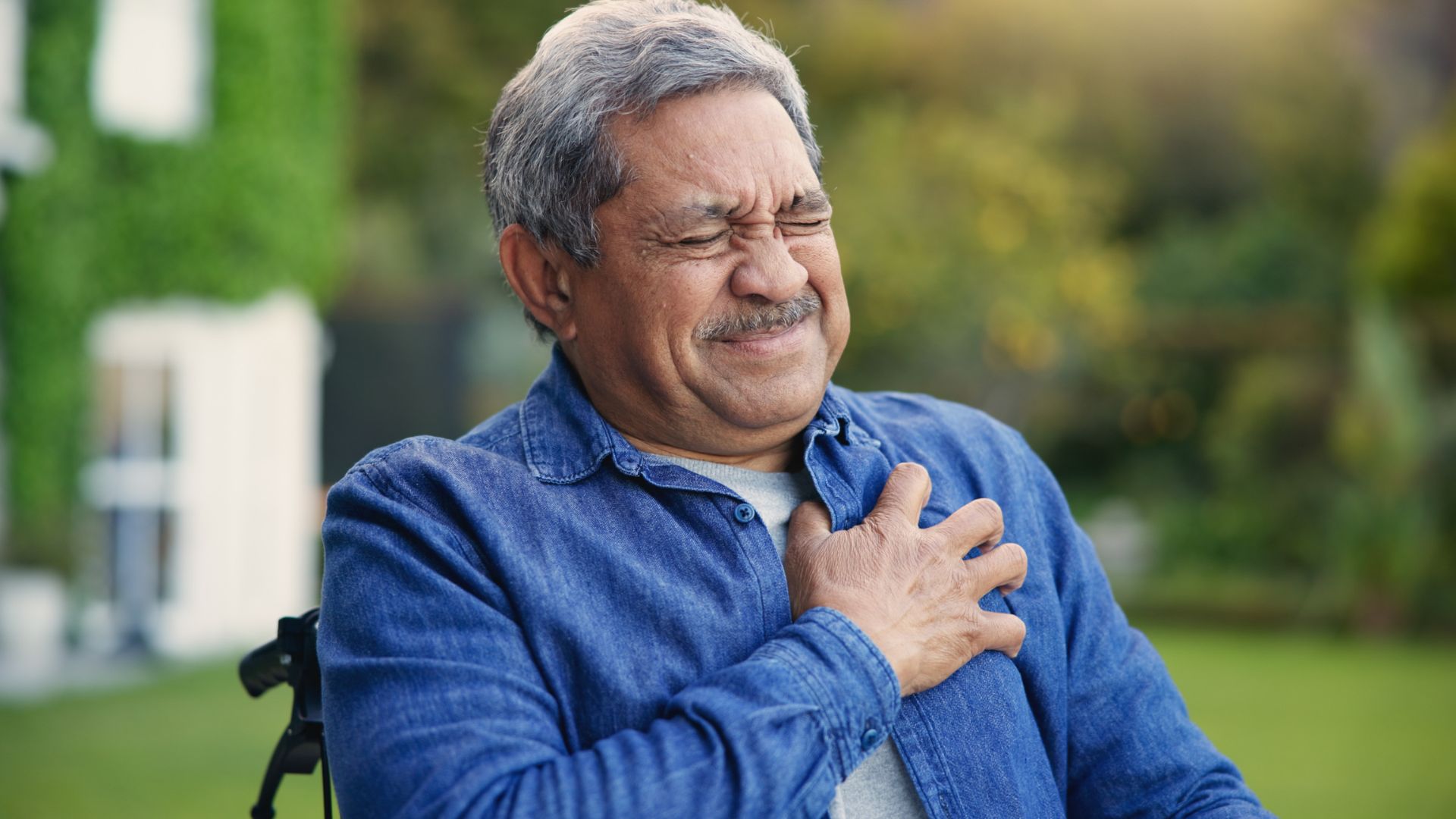
Cardiac arrest is a critical emergency — the person’s heart stops beating effectively, and every second counts. Such incidents can happen anywhere around Singapore: MRT stations, hawker centres, workplaces, or even HDB void decks.
The good news is that bystander intervention saves lives. Use the DRSABC approach to guide your actions.
Step 1: D – Check for DangerBefore helping, make sure the area is safe for both you and the victim.
|
|
Step 2: R- Check for ResponseGently tap the person’s shoulders and shout, “Hello, are you okay?”
|
 |
|
Step 3: S – Shout for HelpCall for help immediately:
SCDF operators will guide you through CPR over the phone — don’t hang up. Step 4: A – Get an AED
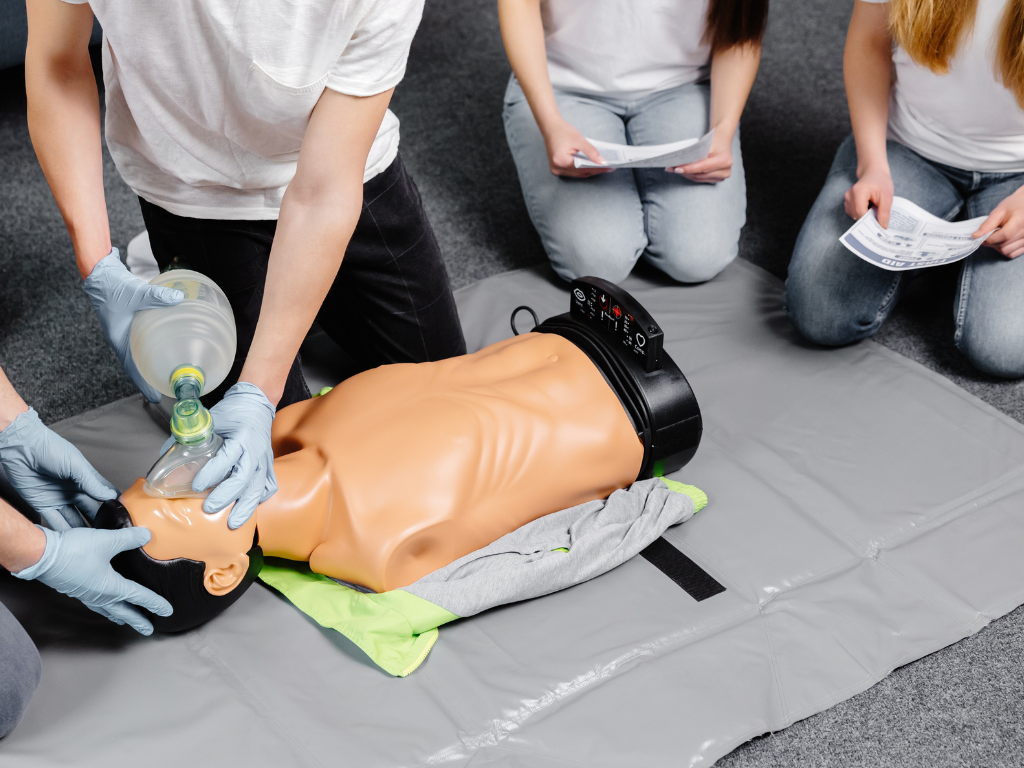
Step 5: B – Check for Breathing
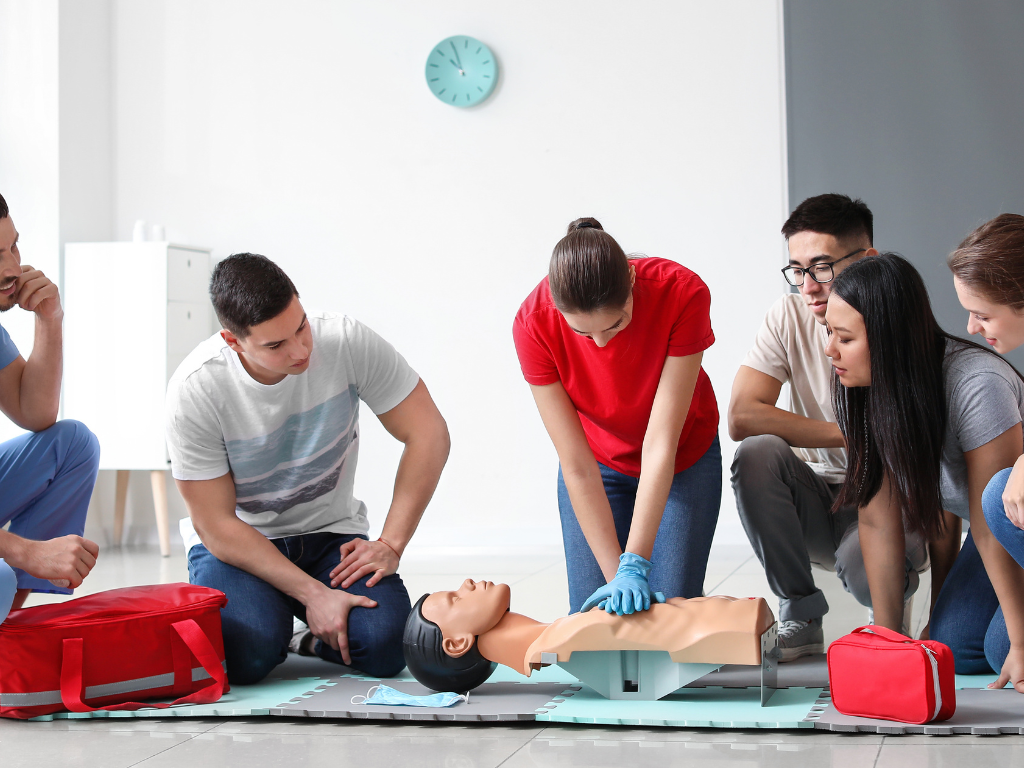
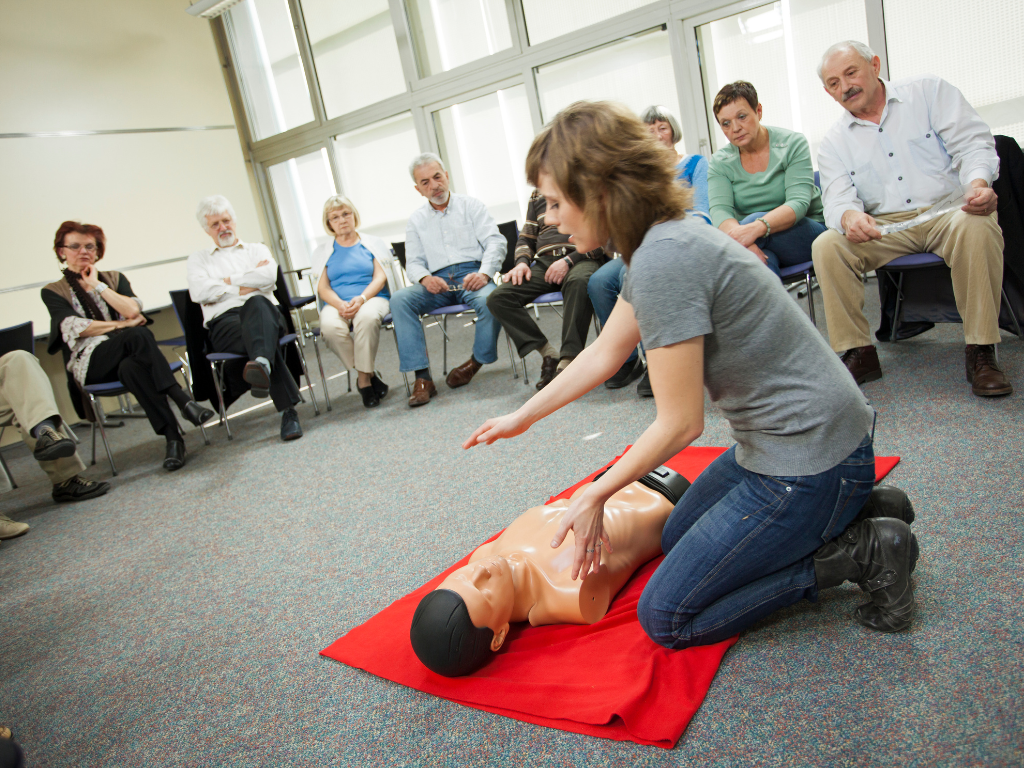
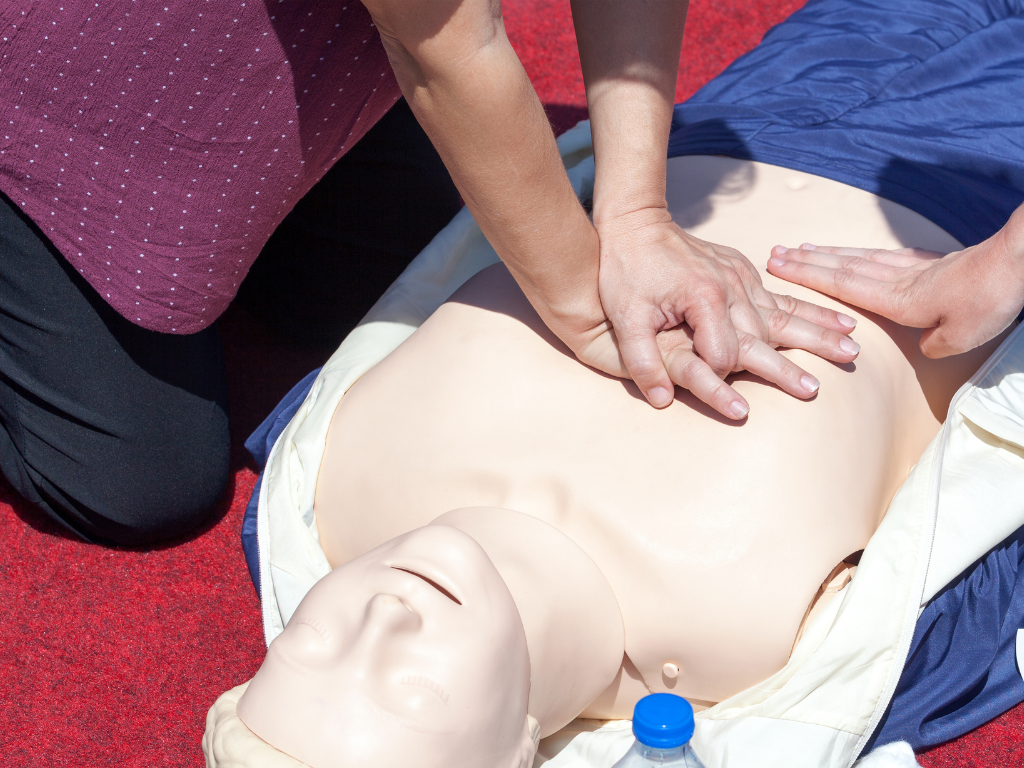
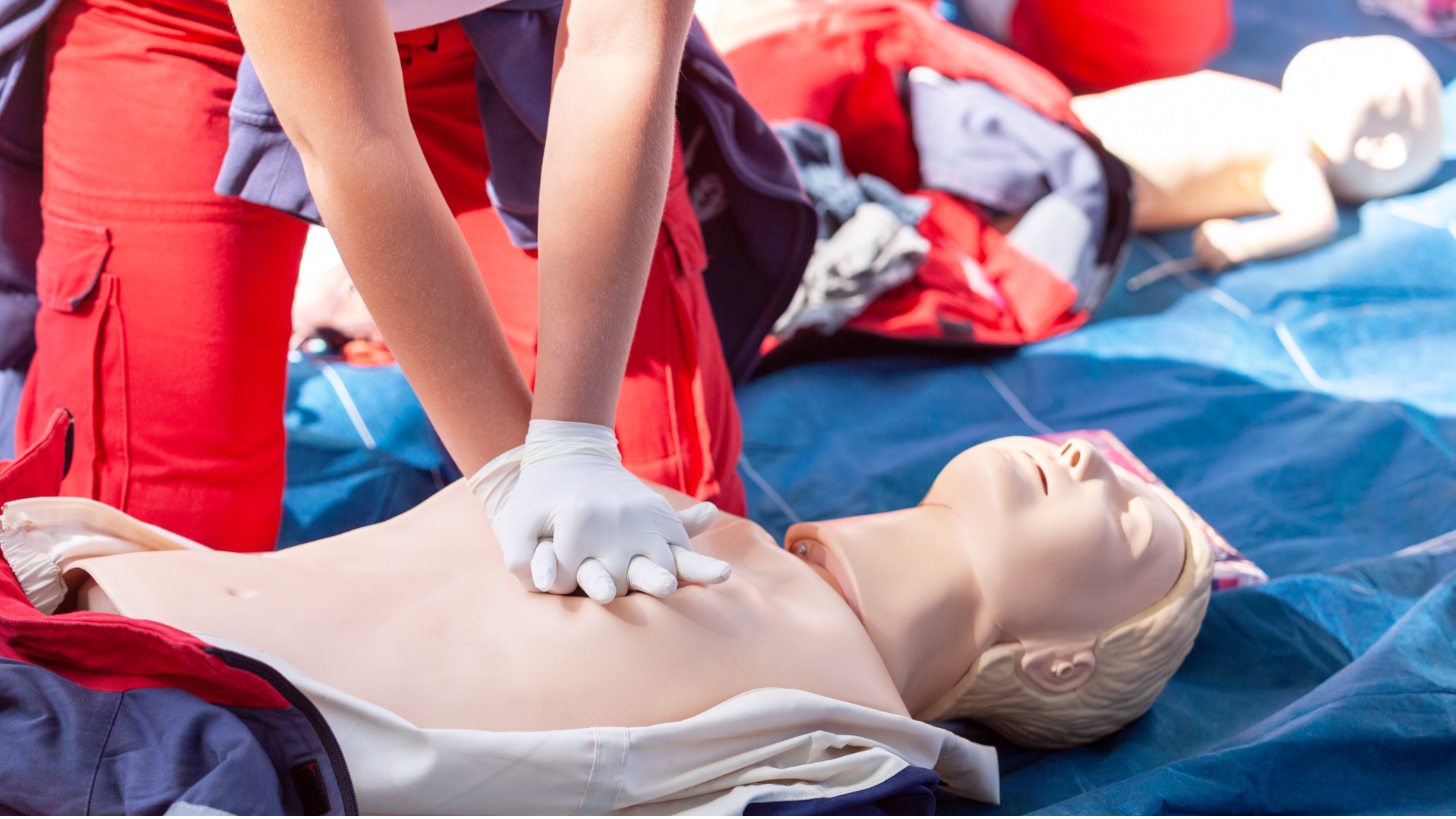
Step 6: C – Start Chest CompressionsBegin CPR:
Don’t worry if you’ve never done CPR before — any attempt is better than none. |
Why DRSABC Matters in Singapore
Even though Singapore has one of the fastest ambulance response times globally, bystander CPR and AED use can double or triple survival chances.
According to SCDF and MOH, survival rates increase when:
- CPR starts within the first minute
- An AED is used within 3 minutes
- A bystander stays on the phone with 995 to receive instructions
Be Ready in Cardiac Emergency
At Advance Safe Consultants, we offer a comprehensive range of first aid and emergency response courses — including Occupational First Aid (OFA), Standard First Aid (SFA), Company Emergency Response Team (CERT), Basic Cardiac Life Support with AED (BCLS+AED), and Child First Aid (CFA).
Whether you’re a healthcare professional, workplace responder, caregiver, or simply someone looking to be prepared, our training empowers you to step up when it matters most.