- 23 Feb 2026

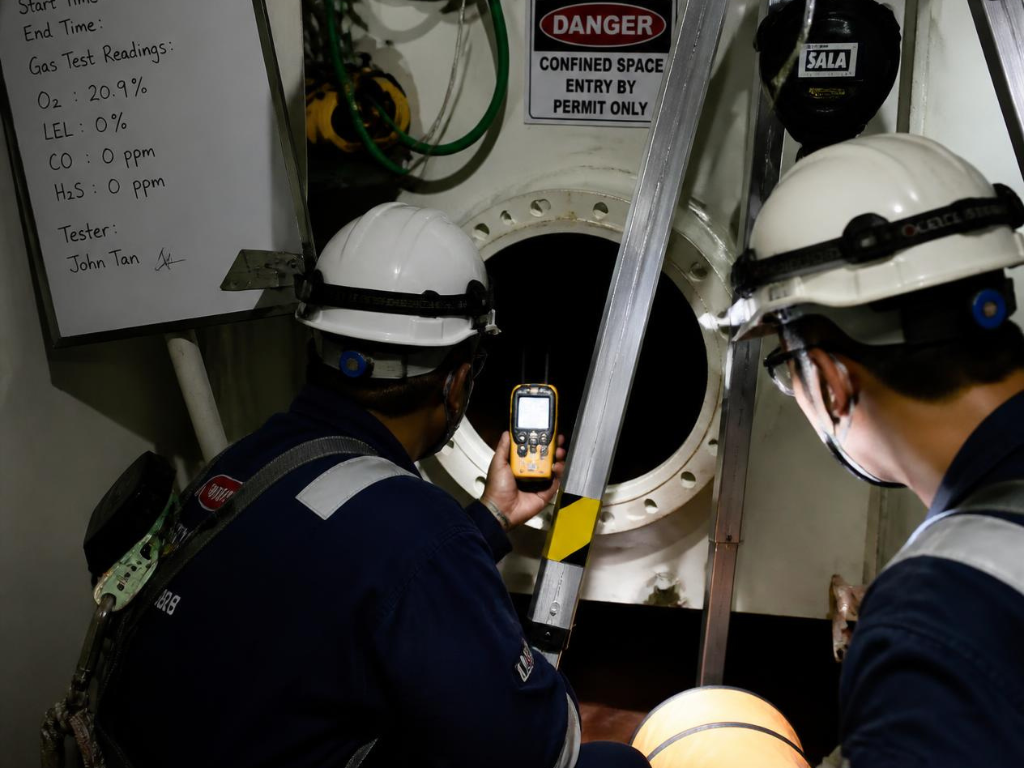
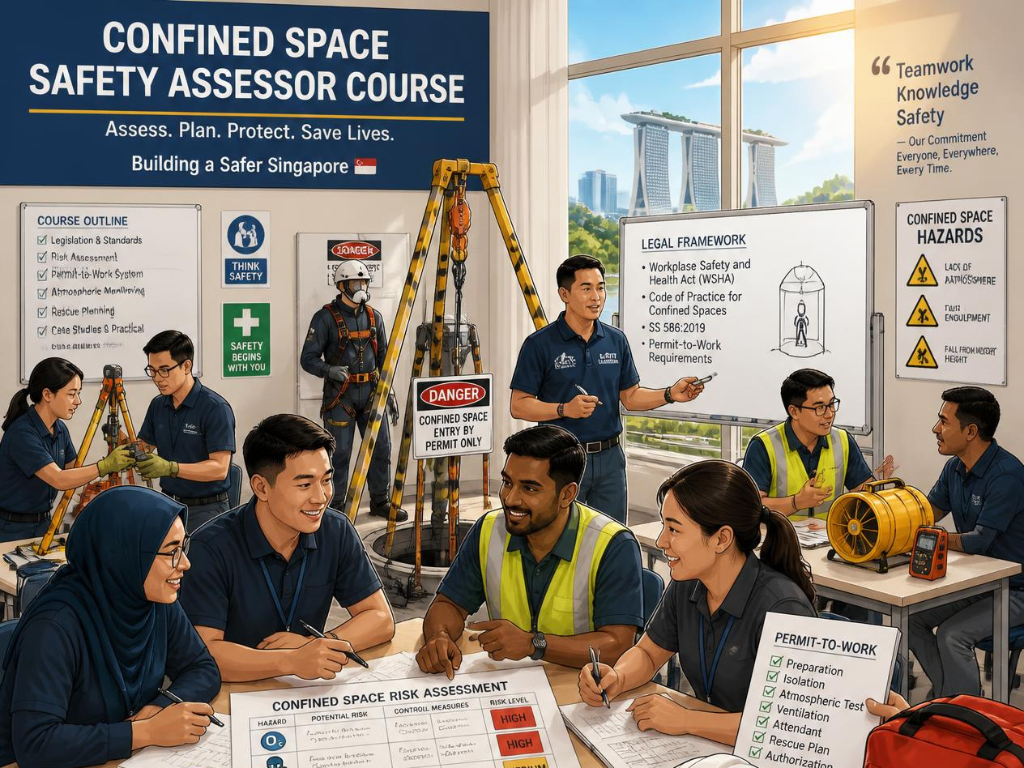
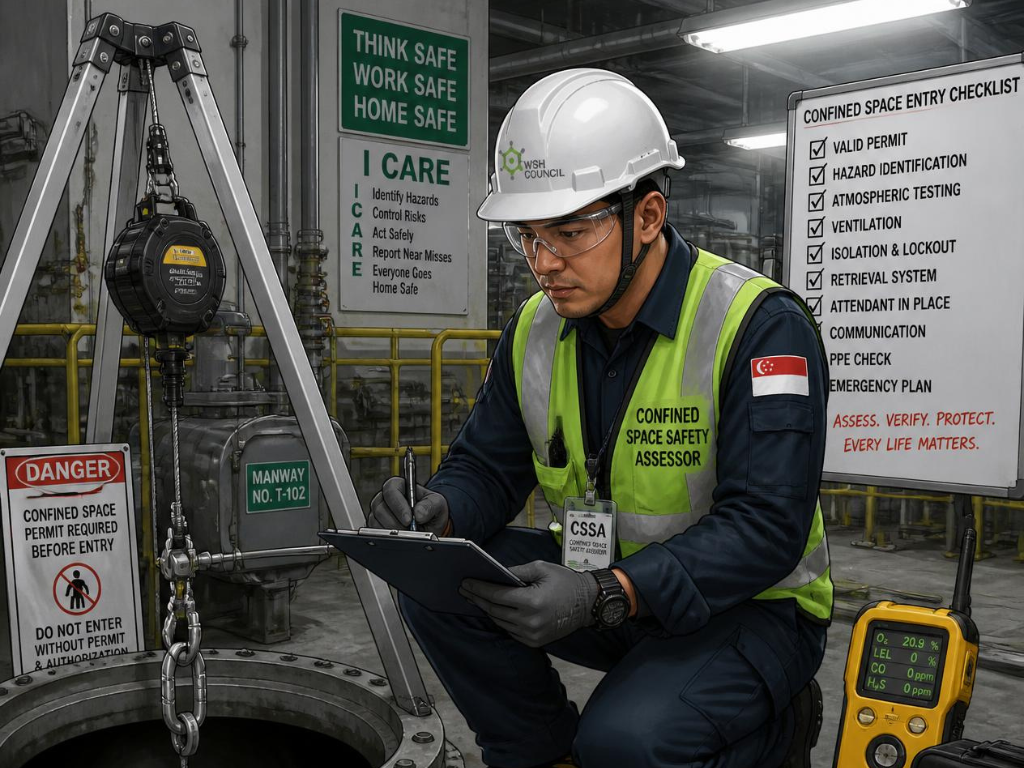
Searching for a MOM approved safety training centre Singapore employers can trust often leads to confusion about what approval truly covers. This blog will walk you through what MOM approval really means, where its boundaries are, and why employers still carry responsibility for outcomes beyond certificates.
What MOM Approval Actually Covers
Approval is scoped, not universal
MOM approval is granted to training centres for specific courses and syllabi, not to every programme a provider offers. A centre may be approved to deliver certain fire safety or first aid modules while other offerings sit outside the approval scope. Approval confirms the course design, trainer qualifications, assessment methods, and quality controls meet MOM requirements for that syllabus.
This matters because approval does not transfer across topics. Employers who assume “approved centre” equals blanket compliance often discover gaps during audits, as explored in our analysis of workplace safety risk management implementation in Singapore.
What MOM reviews during approval
Approval evaluates inputs and processes. It does not guarantee how learning is applied at work.
MOM typically reviews:
- Trainer credentials and ongoing competency
- Course curriculum alignment with approved outcomes
- Assessment integrity and recordkeeping
- Training facilities and learning controls
This mirrors MOM’s published expectations under its Safety and Health Management System requirements, which emphasise structured training governance rather than operational execution. Approval validates training delivery. It does not validate workplace implementation.

What MOM Approval Does Not Do
It does not shift employer responsibility
Employer responsibility remains intact. Under Singapore’s WSH framework, employers must identify hazards, implement controls, supervise work, and review performance. Training supports these duties but does not replace them.
A worker who completes a certified course still relies on the employer to provide safe systems, equipment, and supervision. During inspections, MOM looks for evidence of control at work, not only certificates.Our guidelines on improving workplace safety and accident prevention in Singapore highlight how control measures must extend beyond classroom learning.
It does not certify your site
Approval applies to the training centre and the course. It does not certify your workplace, procedures, or risk assessments. Employers who equate training completion with audit readiness often face findings when documentation and site conditions diverge.

Why Employers Misinterpret “Approved”
The language sounds definitive
“MOM approved” reads as an endpoint. In practice, it marks a starting condition for competence, not proof of compliance. This language gap drives overreliance on training as a compliance shield.
Procurement shortcuts amplify the problem
Training is easier to procure than system change. Courses have dates and prices. System design requires management time. The shortcut feels efficient until an incident or inspection tests reality.
What a MOM Approved Safety Training Centre Is Best Used For
Building role-specific competence
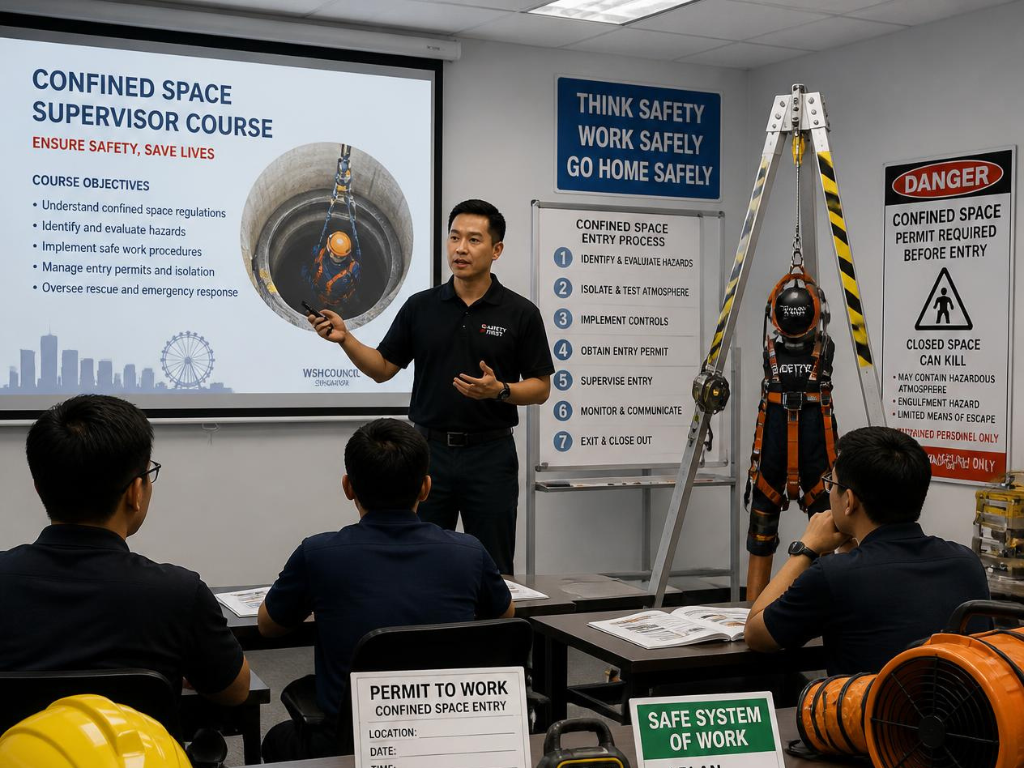
Approved courses are the right tool for role readiness. They ensure workers understand hazards, procedures, and responses relevant to their duties. This includes emergency response, first aid, and task-specific safety knowledge.
When employers use approved training to close identified competency gaps, outcomes improve.
Supporting audit defensibility
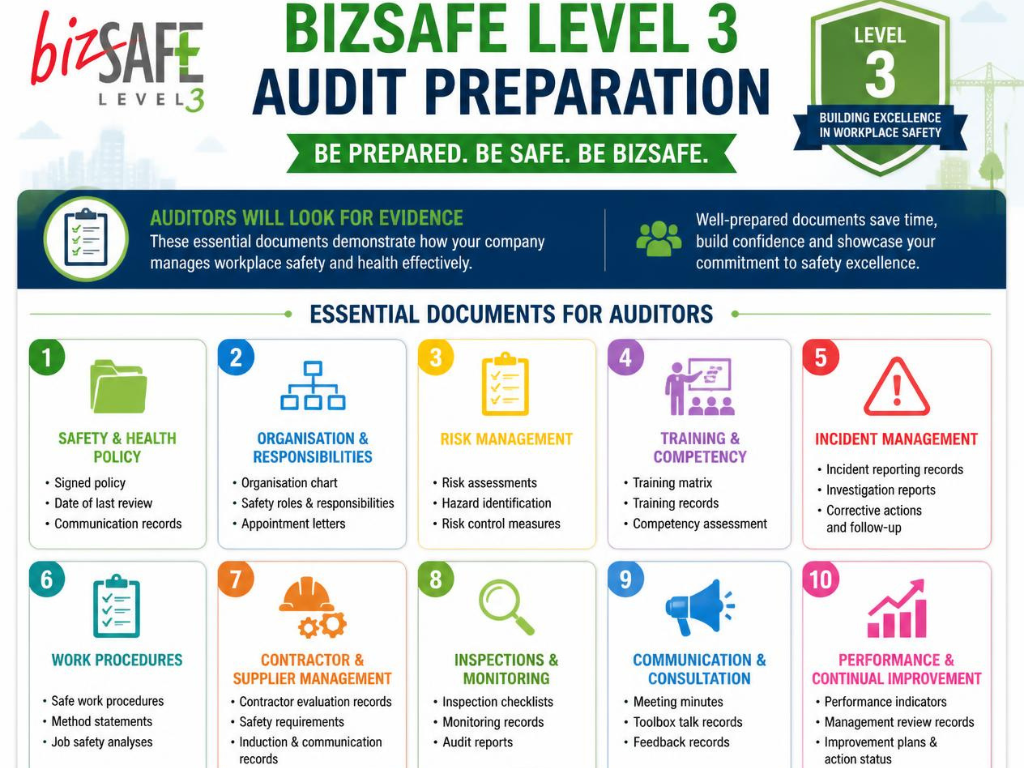
Approved training strengthens audit narratives when it aligns with site controls. Inspectors expect to see training records that map to risk assessments and procedures. Alignment matters more than volume.
Certification Validity and Common Pitfalls
Validity periods vary by course
Different courses carry different validity periods. Employers must track expiries and ensure refresher training aligns with risk exposure. Lapsed certification is a frequent audit finding.
Attendance is not mastery
Passing an assessment confirms baseline understanding. It does not confirm day-to-day application under real pressures. Supervisory checks and drills bridge this gap.
Audit Readiness Starts Outside the Classroom
What inspectors actually verify
During audits and investigations, inspectors connect dots:
- Do risk assessments reflect current work?
- Are controls implemented and maintained?
- Are supervisors enforcing procedures?
- Does training support these controls?
Training answers only one part of this chain.
Evidence that holds up
Strong employers show consistency. Training records, procedures, and site conditions tell the same story. When they don’t, approval status offers little protection.
Where Employers Should Draw Clear Lines
When approved training is enough
Low-risk environments with stable tasks and close supervision may rely primarily on approved training, provided controls are simple and enforced.
When training must be paired with systems
High-risk work, changing conditions, multiple contractors, or incident history require system design. Training supports execution; it does not design the work.
The Role of Integrated Providers
Some organisations operate as both consultancies and training centres. Advanced Safe Consultants Pte Ltd integrates accredited training with risk management and audit preparation. This model reduces mismatch between what people learn and how work is actually done.
Integration matters when findings from risk assessments translate directly into targeted, approved training rather than generic courses.
Industry Standards and Why They Matter
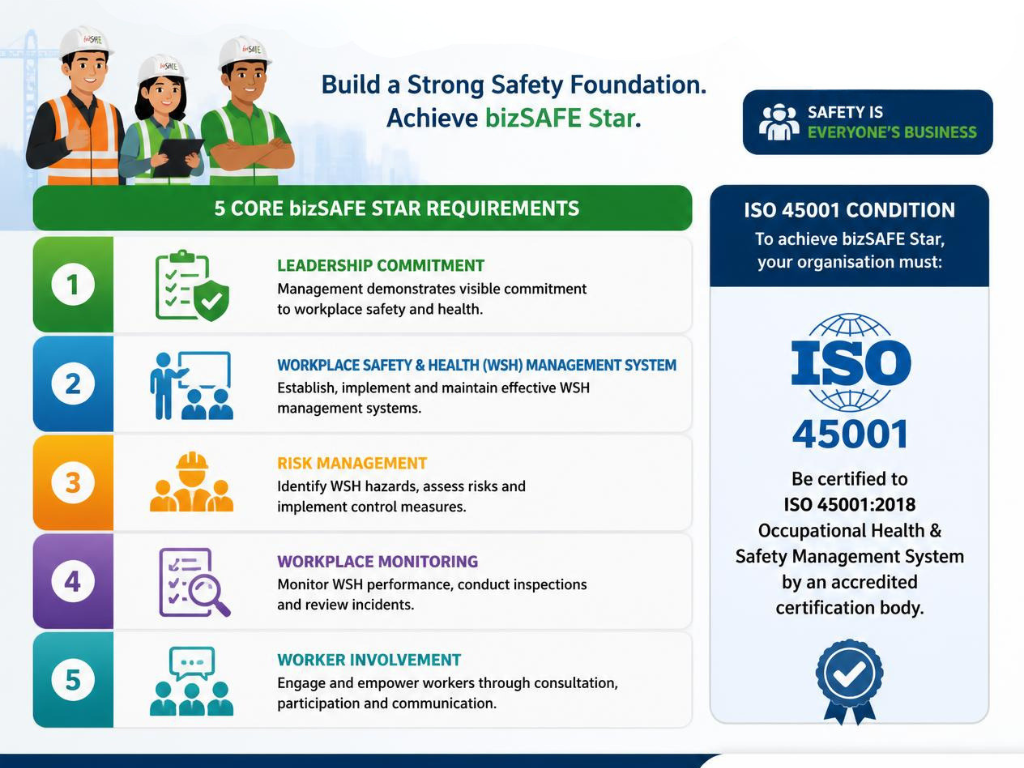
International standards such as ISO 45001 occupational health and safety management systems, which define how organisations integrate risk management, leadership accountability, and continual improvement, reinforce a simple truth: training is an input, while systems produce outcomes. Employers who align approved training with system controls demonstrate maturity that auditors recognise.
Conclusion
MOM approval validates training delivery, not workplace safety outcomes. Employers who understand the boundary use approved courses to build competence and pair them with strong systems.
Break the line
If you want training to hold up under inspection, choose approved courses strategically and connect them to how work is actually controlled on site.
FAQs About MOM-Approved Safety Training Centre Singapore
What does “MOM-approved safety training centre” mean?
It means the centre is authorised to deliver specific courses that meet MOM requirements. Approval applies to the course and delivery, not to your workplace. Entities like Advanced Safe Consultants deliver approved modules within defined scopes.
Is training from an approved centre mandatory?
For certain roles and courses, yes. MOM requires approved training where specified. Employers still remain responsible for safe systems and supervision beyond training.
Does approved training guarantee audit compliance?
No. Inspectors assess risk identification, controls, and enforcement. Training supports these elements but does not replace them.
How often must certifications be renewed?
Validity depends on the course. Employers must track expiries and schedule refreshers aligned to risk exposure and MOM requirements.
Can one provider handle both training and compliance support?
Yes. Integrated providers align risk assessments with approved training, reducing gaps between learning and practice.