- 02 Oct 2025
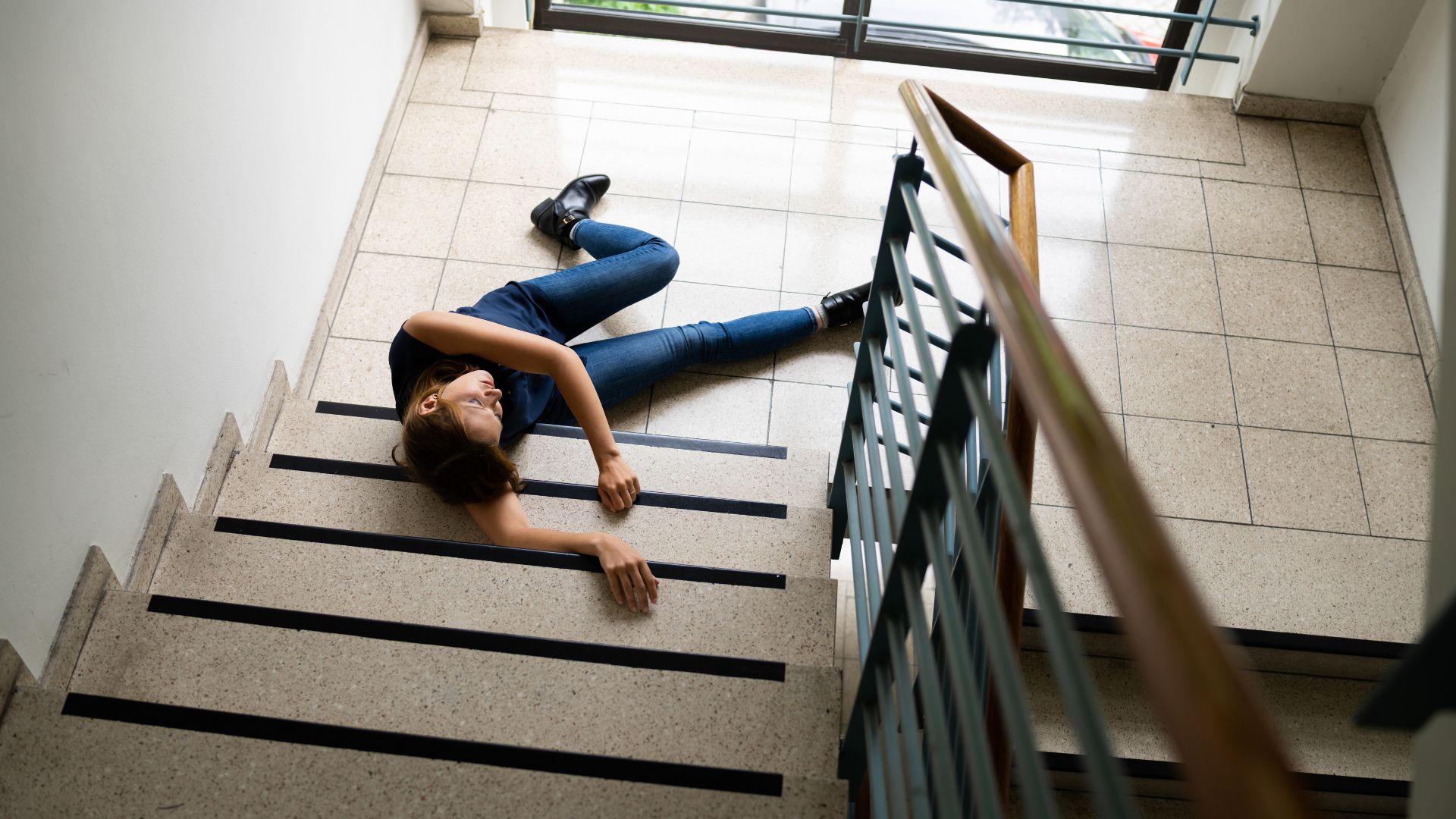
When someone collapses from sudden cardiac arrest, every second counts. Yet studies show that women are less likely than men to receive bystander CPR, and even when they do, their survival rates are lower. In fact, one study found that survival among women was just 6.2% compared to 10.7% for men.
This gap isn’t because women’s bodies are harder to resuscitate. It’s because of hesitation, fear, and misconceptions that stop people from acting. Let’s address the most common ones.
Myth vs. Fact: CPR on Women
Myth 1: Performing CPR on a woman could be seen as sexual assault.
Fact: The reality is simple: life comes first. In Singapore, first aiders are protected by law if they perform CPR in good faith. If you hesitate because of fear of what others might say or record, remember this — it’s far better to save a life than to let fear stop you.
Myth 2: CPR works differently for women because of their anatomy.
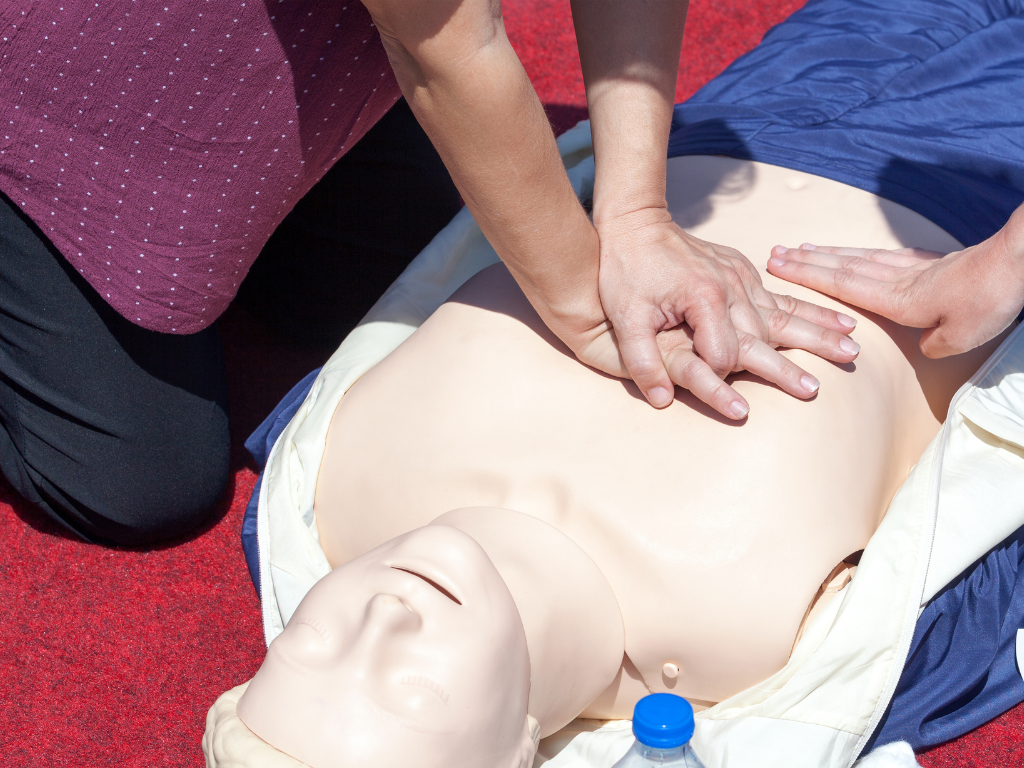
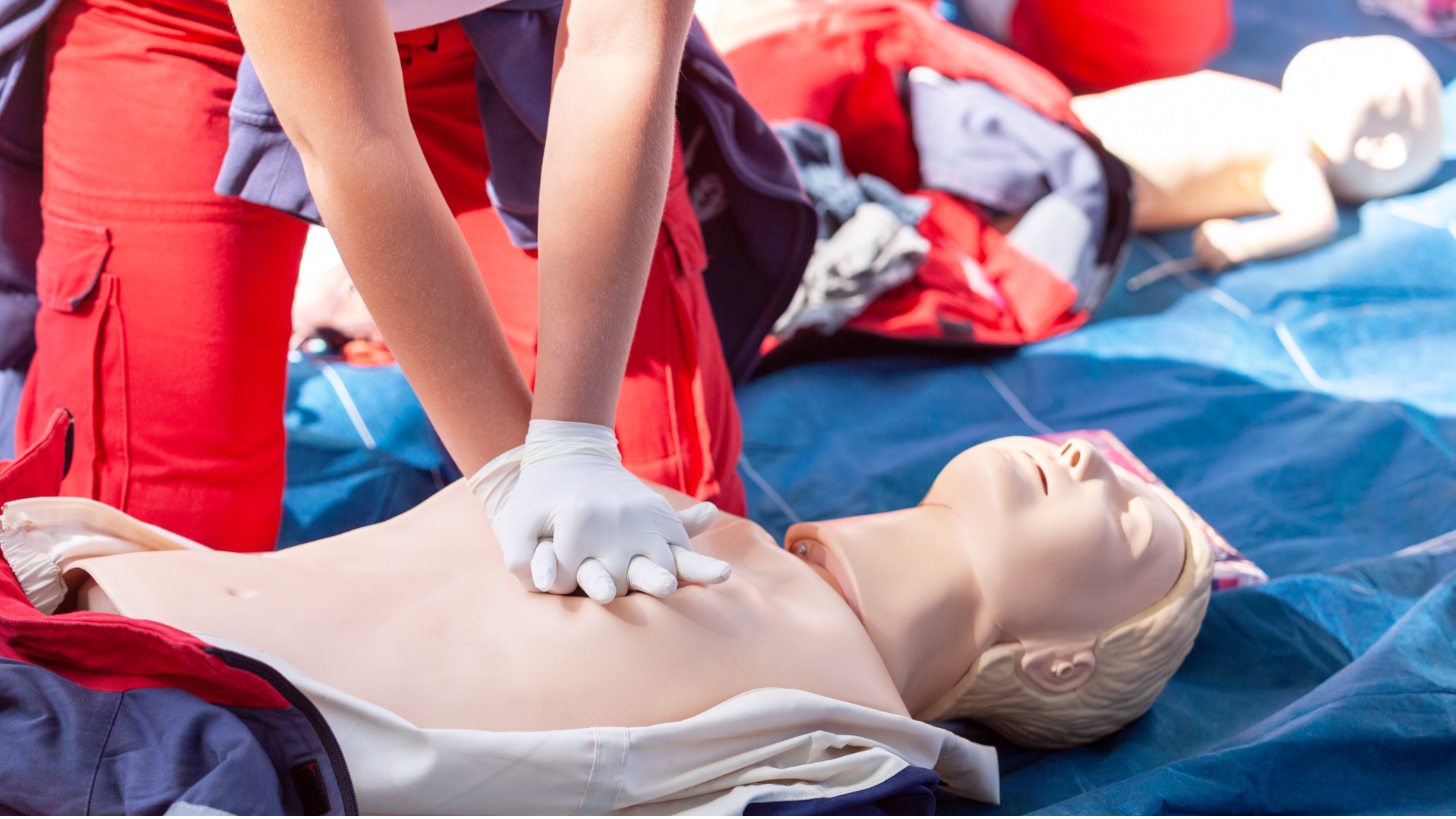
Fact: CPR is the same whether the person is male or female. Push hard and fast in the lower half of the sternum of the chest. There are no biological differences in the way CPR is done.
Myth 3: You cannot remove clothing.
Fact: Chest exposure may be necessary to properly place AED pads or if underwire bras interfere. Always cover with a cloth or jacket afterwards to protect modesty, but don’t delay life-saving steps. AED pad placement is the same for women and men.
Why People Hesitate
From my experience training hundreds of participants, learners often ask:
-
“Is it okay to do CPR on a woman?”
-
“How can I place AED pads without exposing her?”
-
“What if I get sued?”
These fears are real, and they come from cultural norms, legal worries, language barriers, and lack of confidence. But the truth is: life over law. If someone is in cardiac arrest, hesitation could cost them their only chance of survival.
Training Gaps: Where We Can Do Better
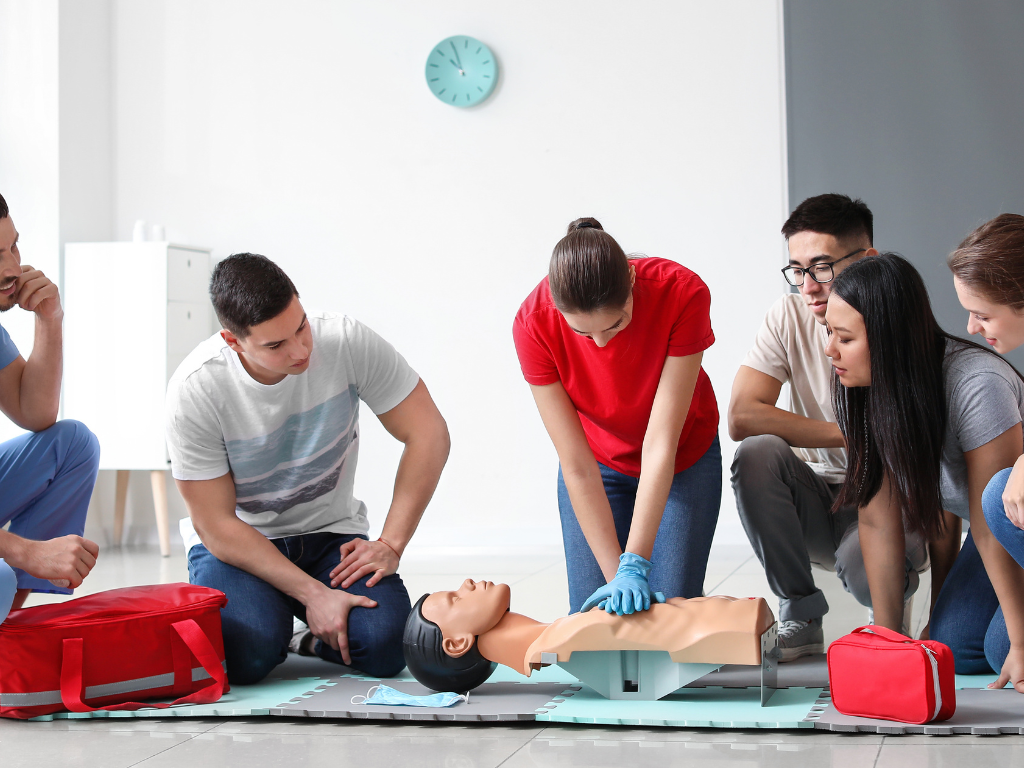
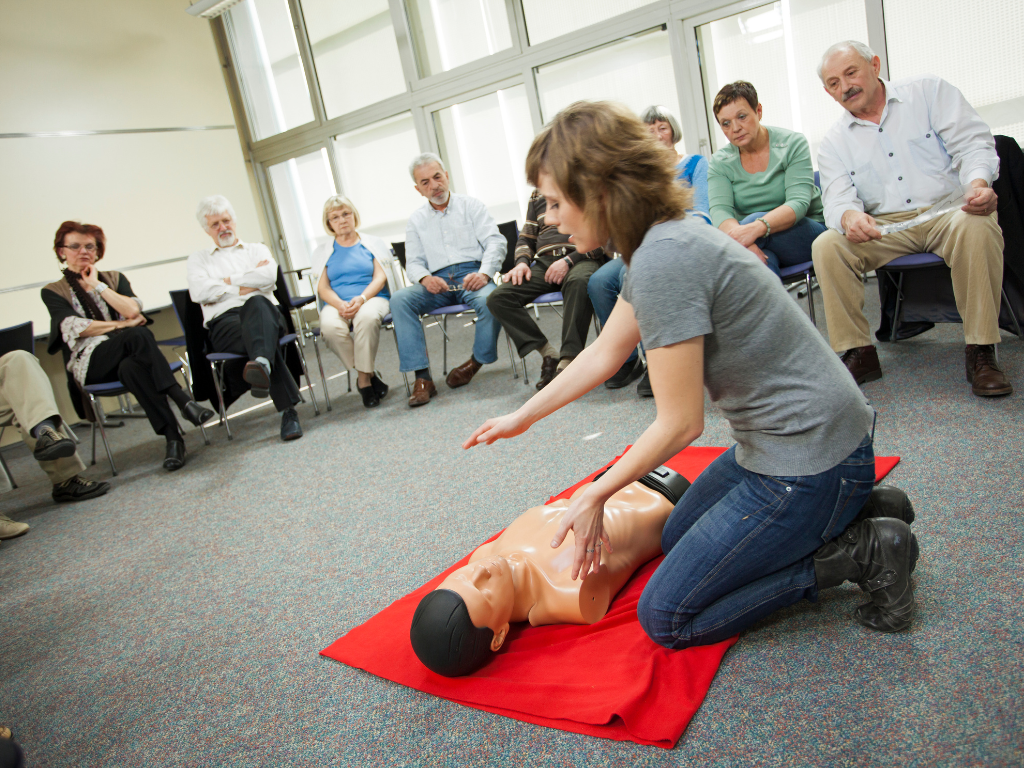
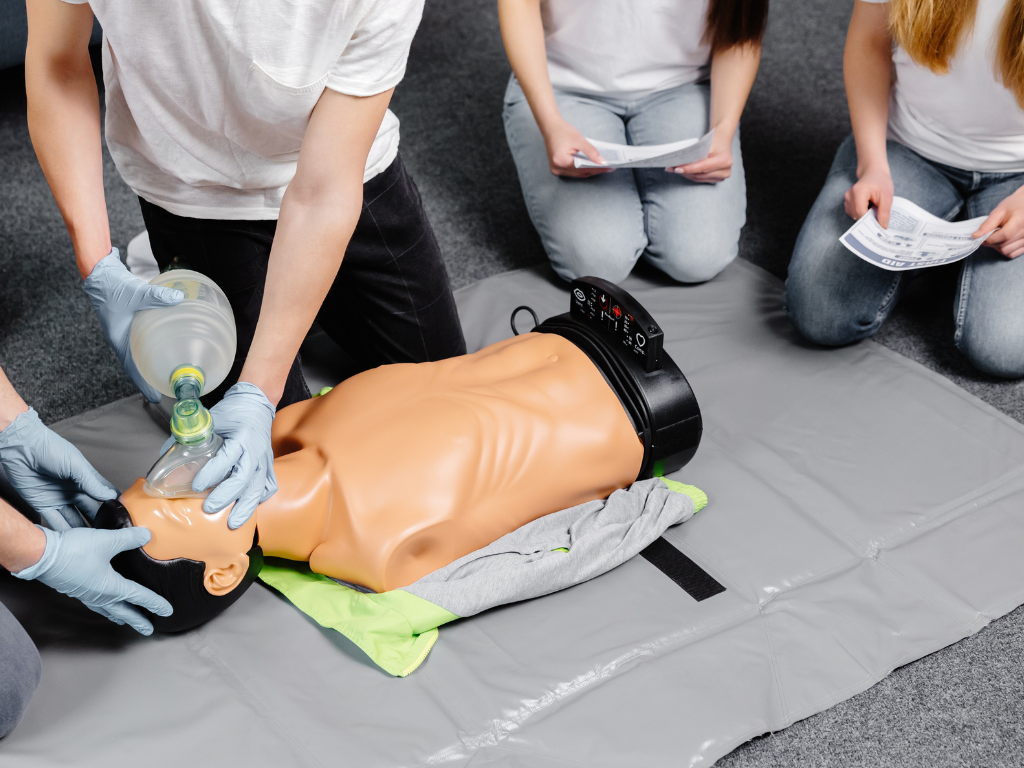
Another challenge is in training itself. Almost all CPR manikins are male. About 90% of training providers use only male manikins, which means learners rarely practise on bodies that resemble women. This can reinforce uncertainty.
The first female CPR vest was only introduced in Singapore in 2021. At Advance Safe, we’re looking to bring in female manikins if learners are interested, to make training more realistic and break misconceptions.
The Bottom Line
Women deserve the same chance of survival as men. Fear of lawsuits, fear of judgment, or fear of making a mistake should never outweigh the chance to save a life.
If you ever see someone collapse — man or woman — remember your DRSABC:
✅ Check for Danger
✅ Check for Response
✅ Shout for Help (Call for 995) & get and AED
✅ Check for Breathing
✅ Start Compressions (CPR)
Do what’s necessary. If charges or questions come later, at least she’ll be alive to answer them.
Ready to Learn CPR Yourself?
A simple half-day CPR+AED course is all it takes to gain the skills and confidence to save a life. Don’t wait until it’s too late, join us at Advance Safe for hands-on training that prepares you for real emergencies.
👉 Sign up for our next CPR+AED course, or check our full list of first aid trainings!