- 30 Dec 2025
A thorough HIRADC assessment is one of the most practical ways for Singapore workplaces to prevent avoidable injuries. Managers often know the requirement, but not the workflow. This blog will walk you through how HIRADC actually works in day-to-day operations and how to apply it confidently.
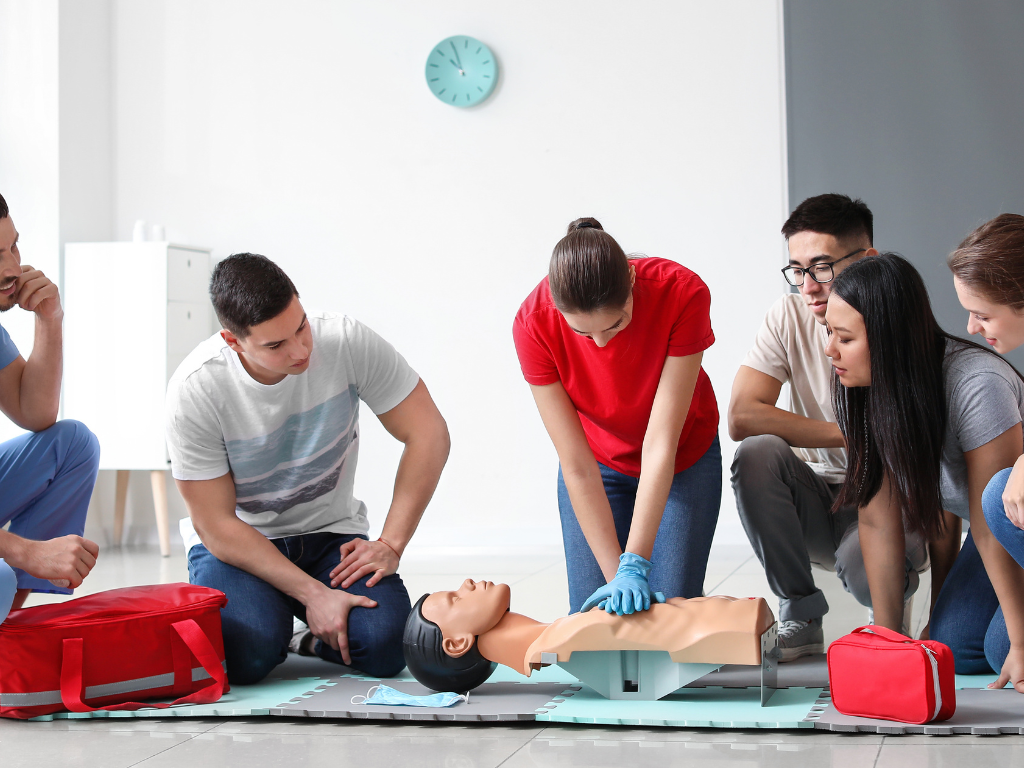
Many organisations begin with formal workplace safety courses to build consistent competency, which helps teams carry out HIRADC properly. You can explore relevant programmes through the WSH training catalogue on our courses page at Advance Safe.
What HIRADC Means in Real Workplace Terms

HIRADC stands for Hazard Identification, Risk Assessment and Determining Control – a system that’s been adopted by many Singapore industries to help them identify workplace hazards, figure out just how serious a threat each one poses and work out what steps they need to take to mitigate the risks.
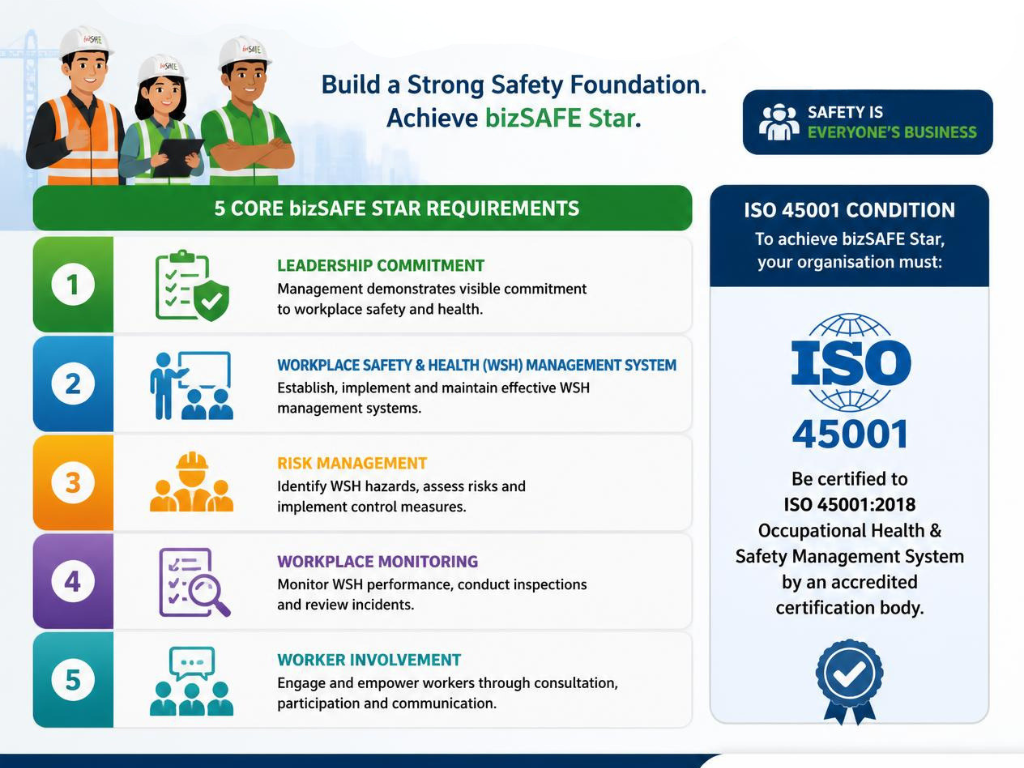
HIRADC is the go-to method, often referenced in the Workplace Safety and Health Council‘s guidance because it gives companies a common language to work with, which makes it easier to identify and tackle risks. If you want a better handle on how HIRADC slots into a overall risk management strategy, then it’s worth checking out the BizSAFE Level 2 risk management plan guide. This guide does a good job of explaining how hazard identification and risk assessment fit into a documented plan.
HIRADC vs General Safety Checks
A general inspection notes what looks unsafe.
A HIRADC assessment documents:
- The hazard
- Who might be harmed
- The likelihood of harm
- The severity of harm
- The control actions the organisation will commit to
This level of documentation protects both the worker and the employer, especially during incident reviews or MOM audits.
Why Singapore Workplaces Use HIRADC as the Core Risk-Assessment Model

HIRADC aligns with the WSH Act, Code of Practice on Risk Management and industry guidelines across construction, logistics, manufacturing and healthcare.
Supervisors often rely on HIRADC because it offers:
- Consistency
Teams can use a standardised risk assessment matrix and common terminology.
- Evidence during audits or investigations
MOM inspectors expect to see risk assessments that show active management oversight.
- Clear accountability
Each control measure has an assigned person responsible.
- Better training alignment
Many teams pair HIRADC with hazard identification training in Singapore, allowing new workers to learn from real scenarios instead of theoretical lists.
If you want a broader look at how risk management training can actually make workplaces safer, you can check out our article on using risk management training to boost workplace safety.
Step 1: Identify Hazards Through Real-World Observation
Most supervisors begin hazard identification by walking through the work area in the same sequence as the job. This helps them capture hazards that workers experience in actual workflow order. Hazards are usually grouped into categories such as:
- Mechanical
- Chemical
- Biological
- Ergonomic
- Environmental
- Work-at-height
- Operational or procedural
Effective Methods for Hazard Identification
Worker interviews
Many hazards are best understood by the people doing the job daily.
Reviewing equipment documentation
Manufacturer manuals often list potential misuse risks.
Studying injury or near-miss logs
Patterns of slips, strains or equipment faults often point to underlying hazards.
Referring to the MSDS for chemicals
Chemical hazards are sometimes invisible during walkthroughs and require documentation checks.
Step 2: Assess Risk Using a Standard Risk Assessment Matrix
Once hazards are identified, supervisors move to risk evaluation. This involves understanding two components:
- Severity of outcome
- Likelihood of occurrence
These values are mapped onto a risk assessment matrix, which classifies the overall risk level.
A clear example is the three-tiered model used in many WSH Council templates:
- Low risk
- Medium risk
- High risk
Organisations may adjust the matrix depending on their industry, but the logic stays the same. High-risk tasks usually require immediate controls, permit-to-work systems or engineering changes.
Questions Supervisors Commonly Ask During Risk Evaluation
- Does the task involve high-energy equipment
- Is the worker exposed to uncontrolled movement
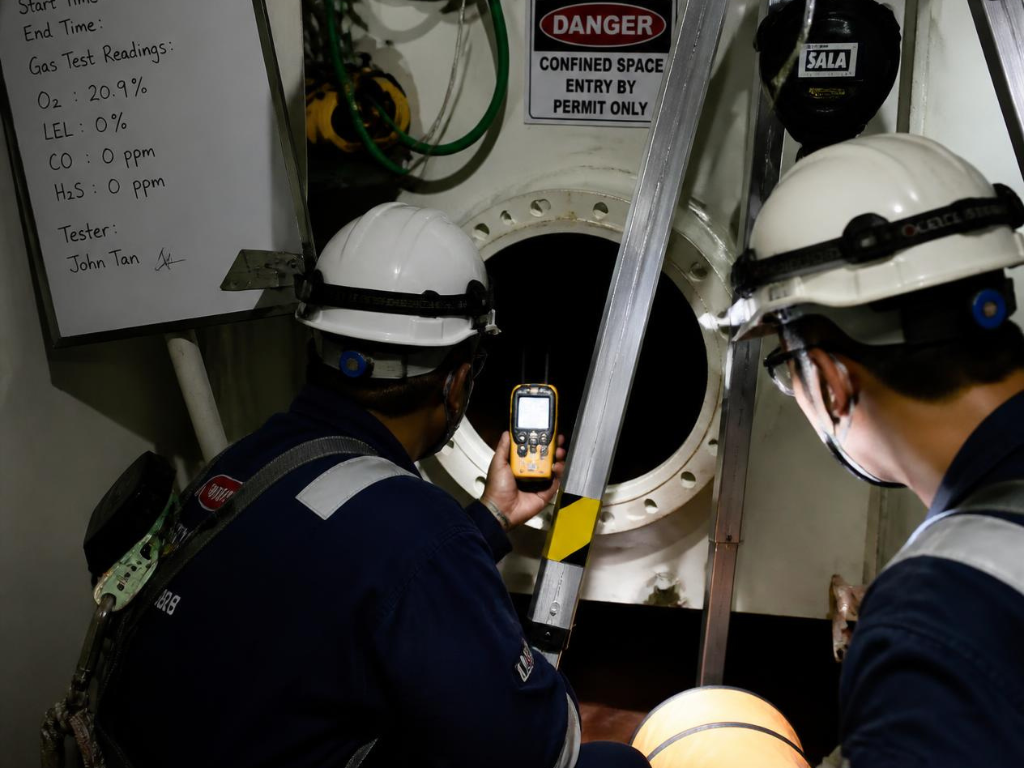
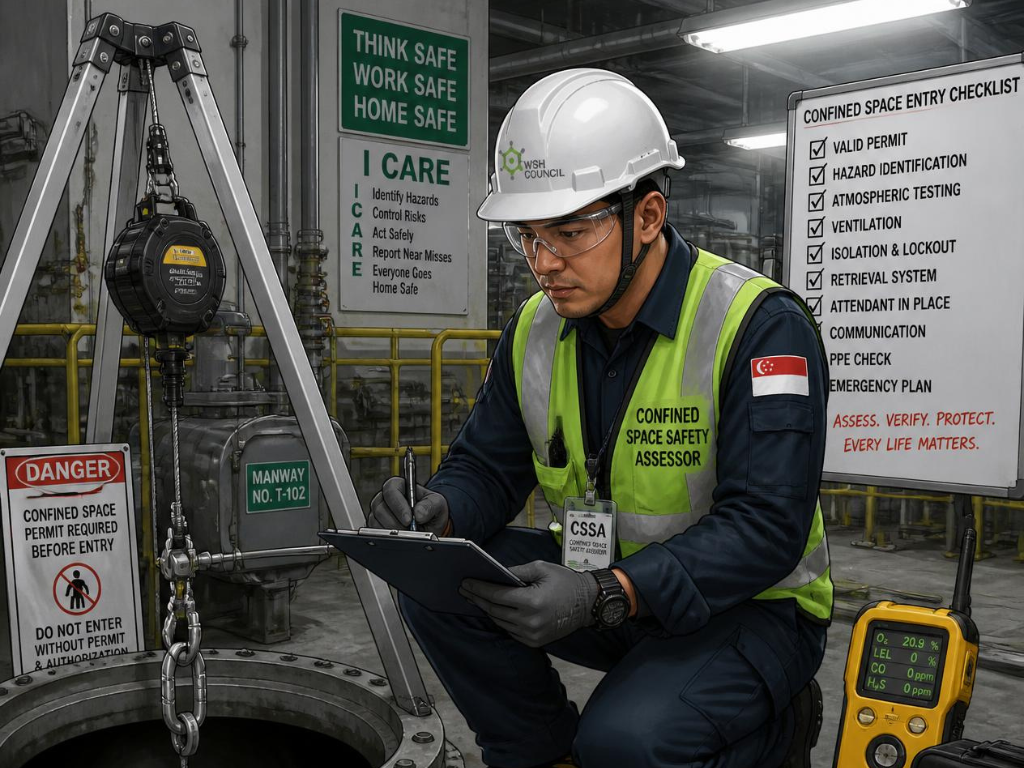
- Is the work performed at height or in confined spaces
- Have similar incidents happened in the past
- Do workers follow the procedure consistently
One of the most common mistakes is rating risk based on what is expected to happen rather than what could happen if multiple failures occur. Industry cases documented by MOM often involve compounding hazards rather than a single factor.
Step 3: Determine Control Measures That Meet WSH Standards
Risk control is where HIRADC becomes actionable. Supervisors choose measures based on the hierarchy of controls:
- Elimination
- Substitution
- Engineering controls
- Administrative controls
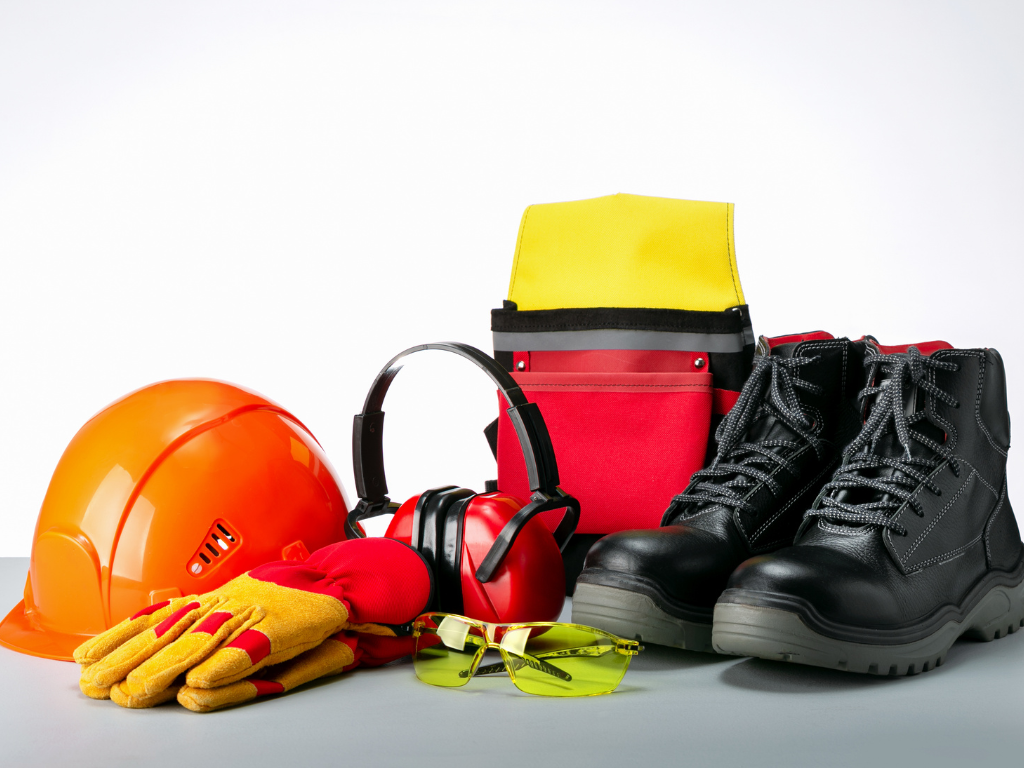
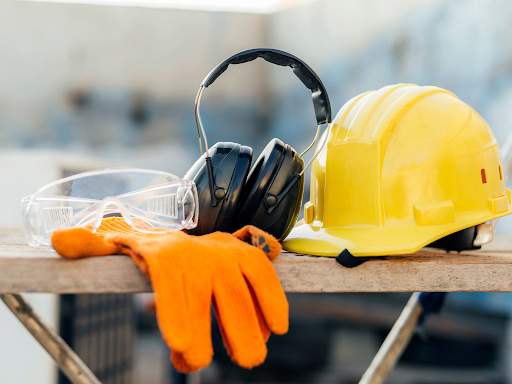
- Personal protective equipment
In Singapore, engineering controls are emphasised because they reduce reliance on worker behaviour. Administrative controls, such as SOPs and training, still play a role but should not be used alone for high-risk hazards.
Effective examples include:
- Installing machine guards
- Using mechanical aids for lifting
- Setting up exclusion zones
- Introducing chemical alternatives with lower toxicity
- Implementing lockout procedures for maintenance tasks
A supervisor’s responsibility is not just proposing controls but ensuring they are implemented, monitored,and reviewed.
Step 4: Document the Assessment Clearly and Consistently
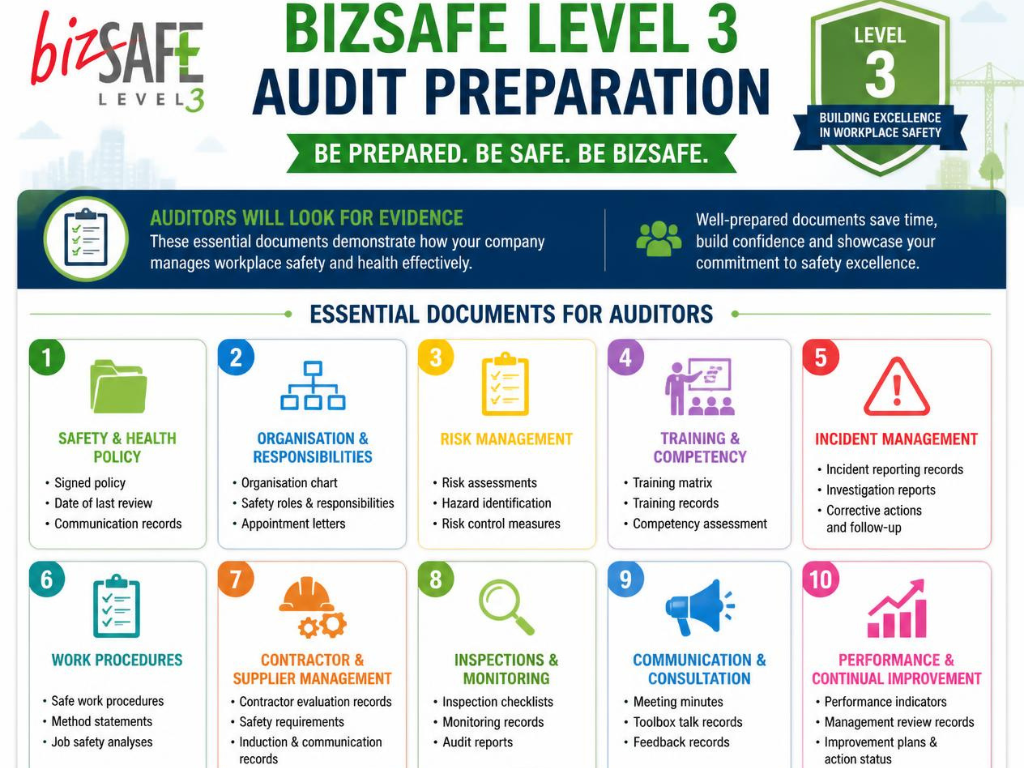
Good documentation is one of the strongest protections a company has. Poorly written HIRADC forms often cause disputes during audits because controls cannot be verified.
The WSH Council outlines three documentation essentials:
- Clearly describe the task and environment
- Specify the risk rating and reasoning
- Assign control owners and review dates
A well-documented HIRADC form should make sense even to someone unfamiliar with the job. This is especially important in large teams where supervisors rotate or when contractors arrive on site.
Step 5: Communicate Findings to the Workers Who Must Apply Them
No HIRADC assessment is complete until workers understand and adopt the control measures. Supervisors typically use:
- Toolbox meetings
- Morning briefings
- Practical demonstrations
- Visual signage
- Written safe work procedures
Communication should be situational. For example, showing a worker how to adjust a lifting posture is often more effective than reading it aloud. This aligns with MOM’s emphasis on competency-based training rather than document-based compliance.
Step 6: Review and Update the HIRADC When Work Changes
Risk assessments are living documents. Supervisors must update them when:
- New equipment is introduced
- A job procedure changes
- An incident or near miss occurs
- New legislation or WSH guidelines are released
- Work environments change significantly
According to the Ministry of Manpower’s guidance on risk management, outdated HIRADC forms are one of the most common findings during inspections. A scheduled review cycle, often every six to twelve months, prevents this.
How Teams Build a Review Culture
- Pair senior workers with new hires to cross-verify hazards
- Encourage open reporting of near misses
- Store HIRADC files in a centralised, version-controlled system
- Align reviews with annual internal audits
A study published in the Safety Science journal highlighted that organisations with frequent hazard reviews had fewer lost-time injuries because risk awareness remained current across teams.
Common Mistakes Managers Make During HIRADC Assessments
1. Relying Solely on Previous Versions
Copying old assessments without fresh observation often leads to outdated hazard lists and incomplete controls.
2. Overusing Administrative Controls
Documents alone cannot stop high-risk hazards. Engineering controls must be prioritised.
3. Underestimating Human Factors
Fatigue, poor ergonomics and workflow pressures significantly raise risk levels.
4. Treating HIRADC as a compliance document
The assessment should guide how work is performed, not just satisfy audit requirements.
How Digital Tools Help Supervisors Conduct Better HIRADC Assessments
Workplaces have become more reliant on these digital platforms that make it easier to do real-time reporting, send out reminders, and have mobile-friendly inspections. The upshot of all this is that supervisors can do their assessments without having to lug around loads of forms and clipboards.
Another advantage is that digital systems keep everything squeaky clean by logging every single update they do. That minimises disagreements when they’re reviewing accidents and means that it’s always easy to see who changed what and when.
Things are changing fast in the industry. The WSH Council says that a lot of Singapore companies are now using mobile apps for hazard reporting: this speeds up the whole process of getting issues sorted that need fixing right away.
When to Engage External Training or Consultancy Support
- Some places go it alone with HIRADC, while others choose to get some outside help or send their supervisors on courses.
- That might happen when you notice that you’re getting the same old problems popping up time and time again – either because your people are struggling to spot hazards or because you’re not sure how to score risks reliably.
- Alternatively, you might need to get some extra training if you’re introducing new kit or processes that need a fresh look.
- If there’s a problem with the way your documentation is being done, or if you’ve got a MOM inspection coming up, it could be a good idea to get in some outside advice or one of these structured courses to get your people up to speed
Conclusion
A strong HIRADC assessment connects what happens on the ground with the standards organisations are accountable to. Managers and supervisors who understand the workflow can analyse hazards more accurately, select meaningful controls and build safer teams. Over time, the assessment becomes more than a document. It becomes a shared language that keeps the workplace predictable, stable and ready for change.
FAQ About HIRADC Assessment Singapore
What is the purpose of a HIRADC assessment in Singapore
A HIRADC assessment helps organisations comply with the WSH Act by identifying hazards, rating risk with a risk assessment matrix, and establishing control measures. It is widely used because MOM inspectors treat it as a primary reference during audits.
How often should companies review their HIRADC
Most teams review the document every six to twelve months or when equipment, processes or legislation change. The WSH Council encourages more frequent reviews in higher-risk environments such as construction and manufacturing.
Who is responsible for conducting a HIRADC assessment
Supervisors, safety representatives or trained risk assessors typically lead the process. Organisations often support them with hazard identification training so assessments remain consistent across teams.
What tools do supervisors use during HIRADC assessments
Common tools include job observation checklists, mobile hazard reporting apps, MSDS documents, Safe Work Procedures, and official WSH Council templates. Digital platforms are increasingly popular for real-time updates.
Do contractors need to submit their own HIRADC in Singapore
Yes. Contractors must complete their own HIRADC that corresponds to their scope of work. Main contractors often review these documents to ensure alignment with site controls and permit-to-work requirements.