- 27 Dec 2025
A safety audit in Singapore is one of the most important checkpoints for ensuring legal compliance and real workplace safety. This blog will walk you through how to prepare for a safety audit in Singapore, what documents auditors look for and the MOM expectations companies must meet in 2025.
In the first phase of planning, many companies choose to review their documentation standards using structured guidance from the catalogue of workplace safety courses in Singapore, especially when preparing teams for recurring compliance checks.
What a Safety Audit Means in Singapore

A safety audit is a thorough eyeballing of a company’s safety management system – not just what’s written down, but how things actually work on the ground. That’s everything from their documentation and work processes to the controls they’ve got in place on site. It’s part of Singapore’s overall health and safety framework – and its main job is to figure out if a workplace is meeting its legal requirements, and the standards for doing business safely and effectively.
Audits get done for a few key reasons:
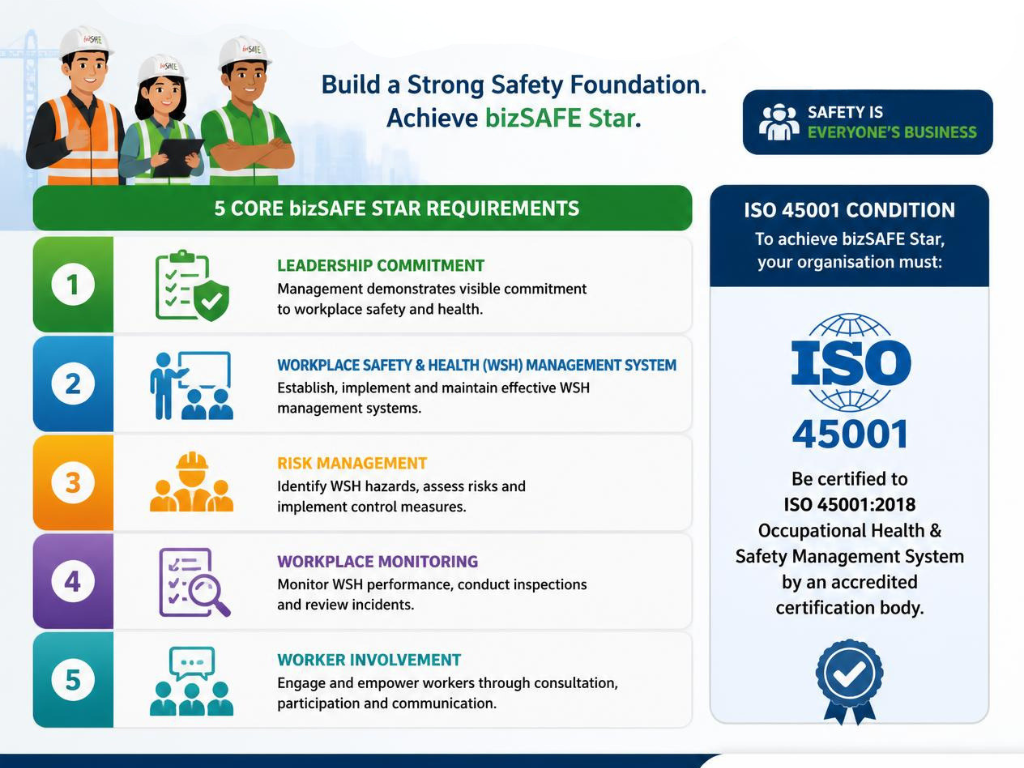
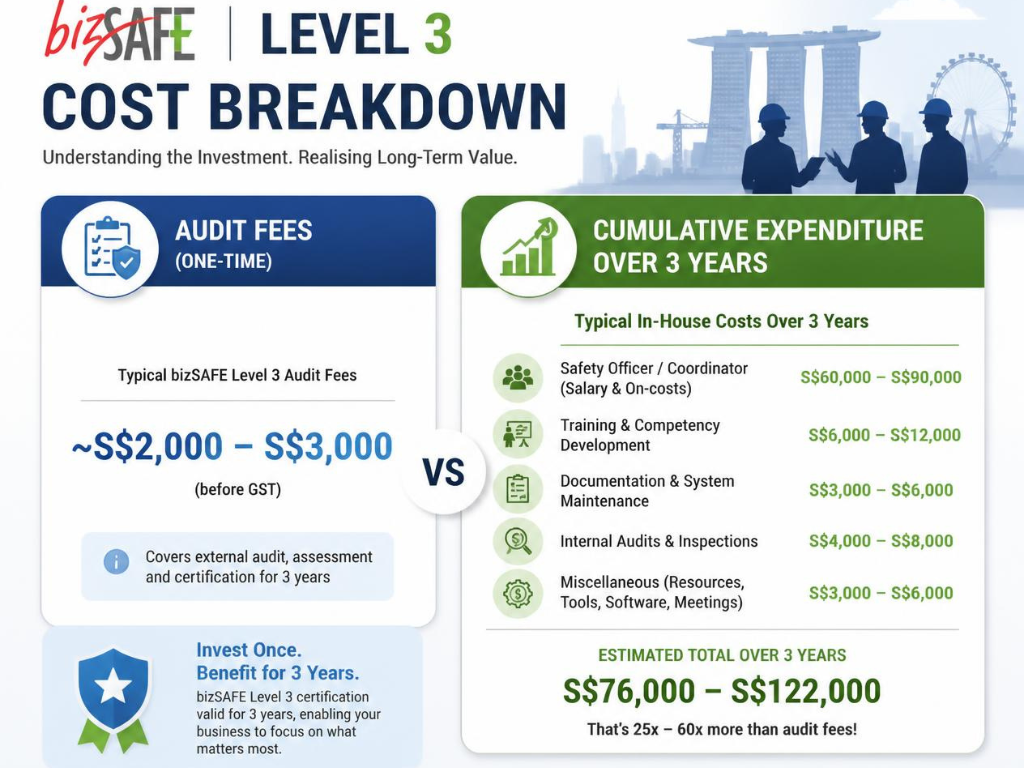
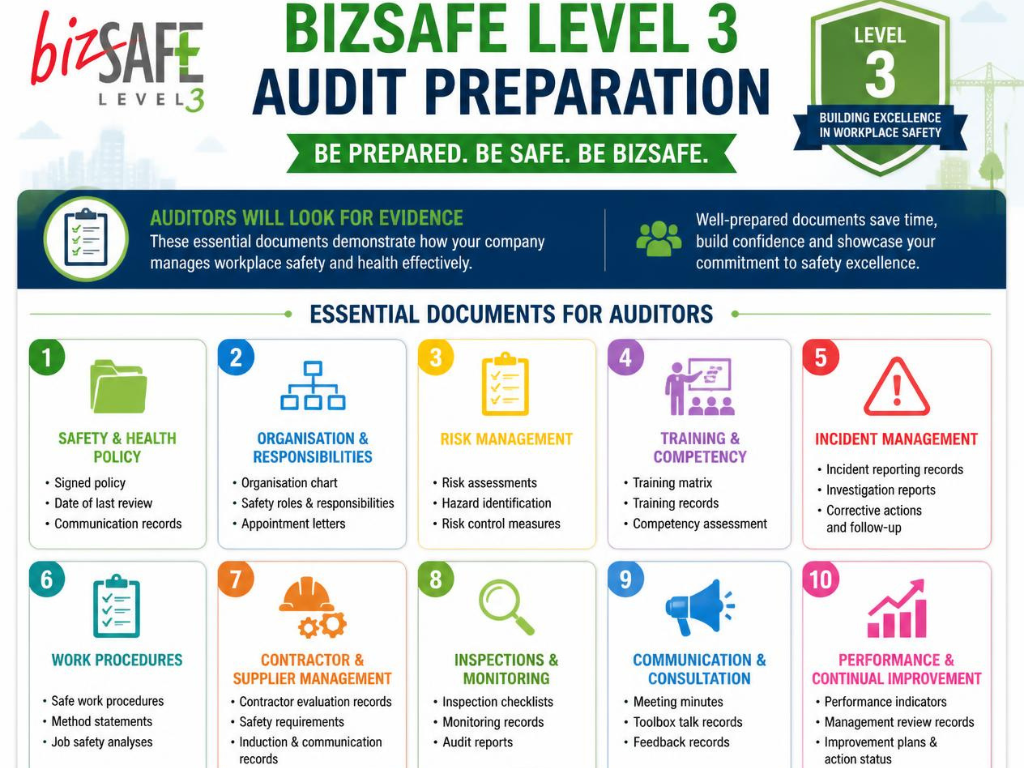
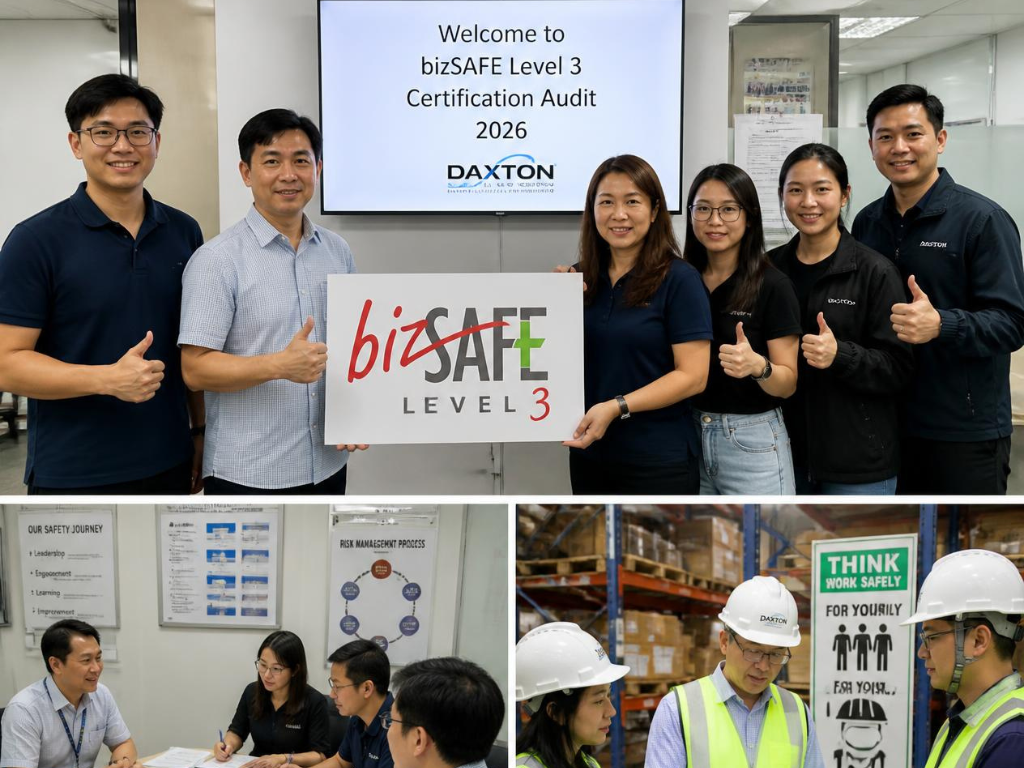
- Sometimes you need a BizSAFE Level 3 or 4 certification to do business and labour laws say that’s required.
- Other times, there’s a rule that says certain high-risk industries have to get audited.\
- Or sometimes a company just wants to review its own safety management systems to make sure everything is running smoothly.
- On top of all that, the Ministry of Manpower might show up unannounced and start asking questions
A safety audit isn’t just about walking around and looking for broken equipment or slippery floors. It’s more about whether a company is actually following the rules that are written down – whether their risk assessments are up to date and whether they really are committed to keeping people safe on the job. And that goes for all shifts, not just the day shift.
You can get a good sense of how this all ties together by looking at our guide on how to put together a risk management plan. That should help you see how auditors check that your theory matches up with what actually happens in practice.
Why Safety Audits Matter for Workplace Safety Compliance in Singapore

Singapore’s WSH Act requires employers to eliminate or control risks and to maintain safe systems of work. Safety audits help verify that these systems are functioning.
A timely and well-prepared audit improves:
- Compliance with the WSH Act and subsidiary regulations
- Visibility of gaps in risk assessments and Safe Work Procedures
- Confidence during MOM inspections
- Training readiness for managers and supervisors
- Consistency across contractors and subcontractors
Companies that conduct internal checks before an official audit tend to perform better because they catch documentation gaps earlier. The article on managing workplace hazards in Singapore explains why hazard identification becomes more accurate when teams are familiar with audit-style evaluations.
If you want to get a handle on the rules driving these audits, have a look at MOM’s lowdown on workplace safety and health management systems and audit requirements:
According to MOM, employers must not only conduct risk assessments but also review controls, monitor effectiveness and document these processes in an auditable format.
Key MOM Expectations for Safety Audits in 2025
As Singapore moves toward a more proactive safety culture, MOM and the WSH Council have emphasised several expectations for 2025:
Expectation 1: Updated Risk Assessments for All Work Activities
Risk assessments must reflect current operations, equipment and manpower patterns. Outdated documents are one of the top non-compliance issues during audits.
Auditors typically check:
- Whether hazards match real work on the ground
- Whether control measures are specific and feasible
- Whether the risk matrix is applied consistently
- Whether review dates follow regulations
The WSH Council’s Code of Practice on Risk Management reinforces this requirement and outlines how risk assessments should be developed and reviewed:
Expectation 2: Safe Work Procedures That Align With Actual Processes
SWPs must be clear, accessible and aligned with the HIRADC. Auditors often compare instructions given to workers with how work is actually performed.
Signs of strong SWP documentation include:
- Step-by-step clarity
- Defined roles and responsibilities
- Integration with permits, inspections and toolbox talks
- Worker acknowledgement or briefing records
Expectation 3: Competency and Training Records Must Be Complete
Auditors always review training logs for both full-time staff and contractors.
Records must show:
- Attendance
- Course title
- Training provider
- Expiry or refresher validity
- Assessment results for mandated courses
Expectation 4: Evidence of Monitoring and Continuous Improvement
MOM expects employers to demonstrate that safety is monitored throughout the year, not just before a scheduled audit.
Common evidence includes:
- Weekly or monthly inspections
- Near-miss investigations
- Corrective action logs
- Minutes from WSH committee meetings
- Equipment servicing records
Common Audit Findings in Singapore Workplaces
Supervisors preparing for audits often ask which non-compliances appear most often. Based on industry patterns and common MOM feedback, the issues below surface regularly:
Finding: Incomplete or outdated documentation
Risk assessments, SWPs and training records are often missing signatures, review dates or relevant attachments. Auditors pay close attention to document version control.
Finding: Controls listed on paper are not visible onsite
For instance, a HIRADC may list mechanical guarding but the guarding is removed during maintenance and never replaced. This gap immediately affects audit results.
Finding: Contractors using different procedures than the main contractor
Auditors expect alignment across all parties operating within a worksite. If subcontractors have different safety standards, the main contractor remains accountable.
Finding: Insufficient evidence of enforcement
For example, a company may have a PPE policy, but enforcement records are inconsistent or not documented at all.
These gaps are solvable when companies invest in training programmes that build real operational discipline.
Documents You Must Prepare Before a Safety Audit
Audit success depends heavily on documentation. The items below form the core record set most auditors request.
1. Risk Management Documents
- HIRADC for every work activity
- Risk matrix used for rating
- Control measure implementation records
- Review and approval signatures
2. Safe Work Procedures
- SWPs for high-risk work
- SWPs aligned to WSH guidelines
- SWPs that reflect real working conditions
3. Training Records
- Attendance sheets
- Certificates or completion statements
- Competency evidence for WSH roles
- Expiry dates for courses with renewal cycles
4. Emergency Preparedness Documents
- Evacuation plans
- Fire drill records
- First aid arrangements
- Response team appointment letters
5. Incident and Investigation Records
- Accident reports
- Near-miss logs
- Corrective and preventive action tracking
6. Operational Records
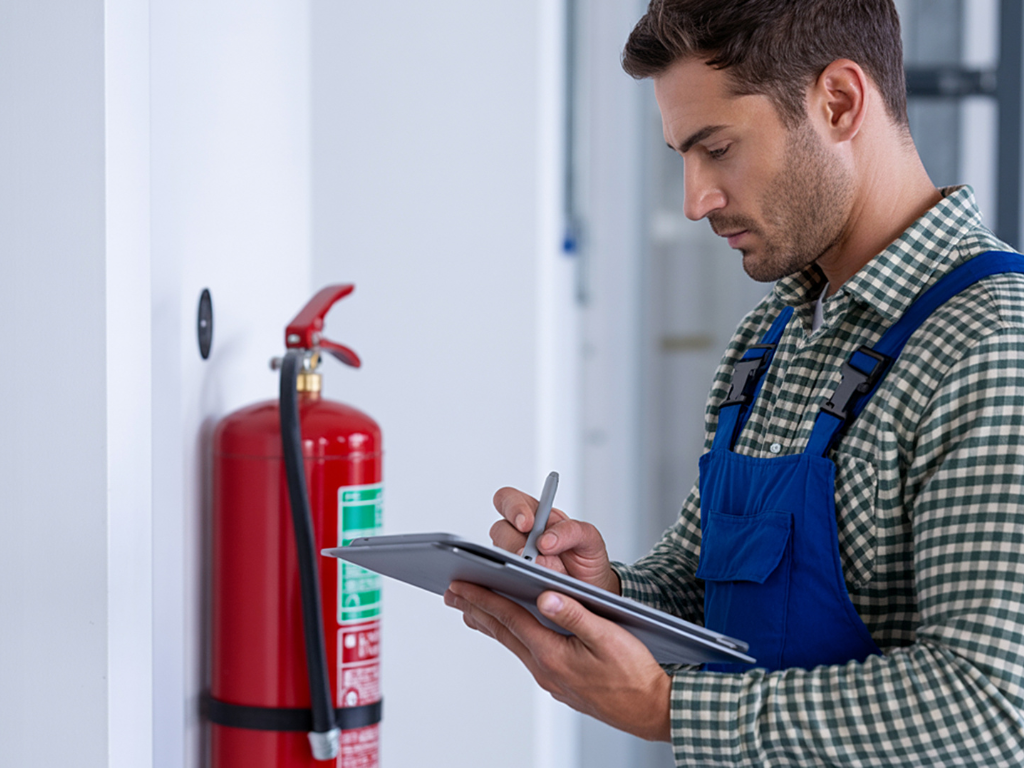
- Equipment inspection forms
- Maintenance logs
- Contractor management records
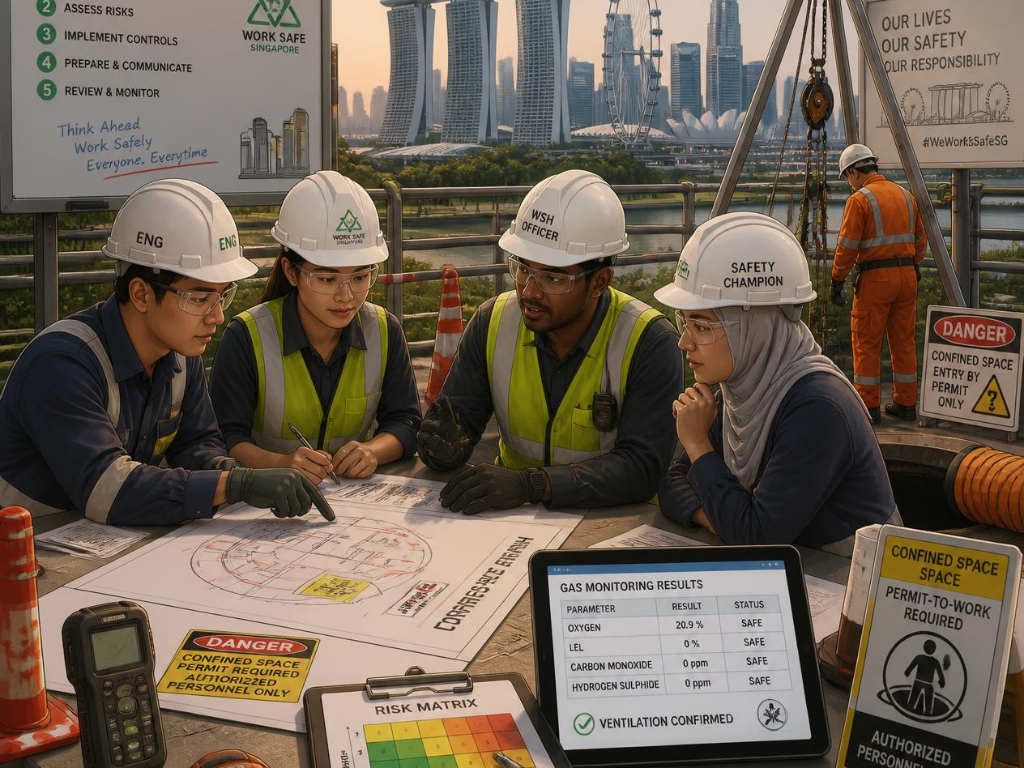
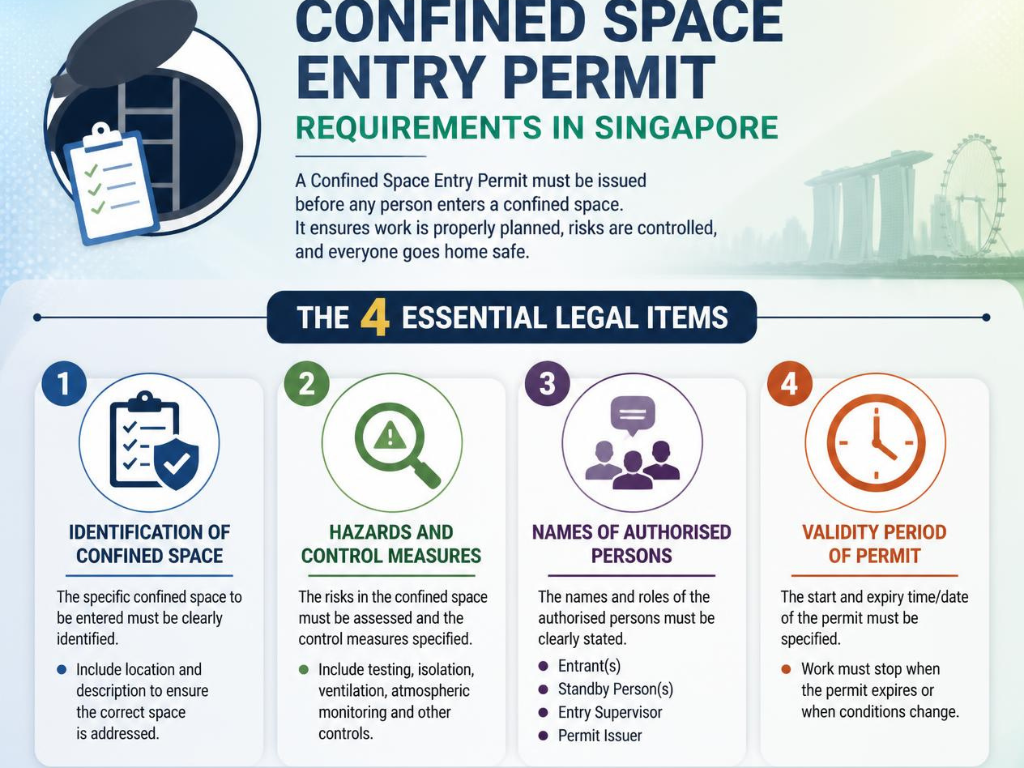
- Permit to work forms
Preparing these records early helps reduce audit stress and prevents last-minute document corrections.
Safety Audit Checklist for Singapore Workplaces
Auditors often follow a WSH audit checklist that covers system-level, operational and documentation categories. Below is an expanded checklist reflecting common Singapore audit standards.
System-level requirements
- WSH policy is signed, dated and communicated
- Roles and responsibilities are defined and updated
- Competency requirements for each role are documented
- WSH committee records are complete and submitted on time
Risk assessment requirements
- HIRADC is current, reviewed, and aligned with operations
- Controls reflect the hierarchy of control
- Residual risks are justified and approved
- High-risk tasks have additional safeguards
Safe Work Procedures
- SWPs are issued to workers and supervisors
- SWPs match actual operations
- SWPs include emergency response actions
- Workers acknowledge understanding
Training and competency
- Mandatory WSH courses are up to date
- Subcontractors submit valid certificates
- Internal briefings are recorded
- Refresher cycles are adhered to
Onsite conditions
- Housekeeping standards meet WSH expectations
- Machine guarding is in place
- The permit-to-work system is functioning
- Emergency routes are unobstructed
Companies with logistic operations often pair audit preparation with targeted training, such as the Workplace Safety and Health in Logistics and Transportation course. This ensures frontline teams understand how transport risks appear during audits.
How to Build Audit Readiness Across the Year
A company becomes truly audit-ready when its safety processes remain consistent throughout the year rather than improving only before the auditor arrives.
Below are practical steps supervisors can implement:
1. Conduct internal mini-audits
Choose one department each month and audit five to eight records. This reveals gaps early and trains supervisors to think like auditors.
2. Link your toolbox talks to audit findings
If an internal check finds gaps in lockout procedures, run two weeks of toolbox talks on energy isolation to reinforce the habit.
3. Track corrective actions with deadlines
Corrective action logs should include responsible persons, timelines and verification evidence.
4. Refresh training for high-risk work
Auditors check whether workers performing high-risk tasks understand both the SWP and the corresponding hazards.
5. Maintain documentation hygiene
Version control, naming conventions and filing systems matter. Auditors need to locate documents quickly.
Building this rhythm aligns with MOM’s expectation that safety management should be part of daily operations rather than an annual event.
Conclusion
Preparing for a safety audit in Singapore is not only about meeting MOM requirements. It is about building a workplace that operates predictably, safely, and with clear accountability. When documentation is accurate, training is consistent, and controls reflect real conditions, audits become straightforward, and your team becomes more confident in its safety culture.
FAQs About Safety Audit Singapore
What does a safety audit cover in Singapore?
A safety audit reviews risk assessments, Safe Work Procedures, onsite controls, training records, and emergency preparedness. Auditors check whether the company complies with the WSH Act and whether its processes match MOM’s expectations for risk management.
How do I prepare documents for a safety audit?
Prepare updated HIRADC records, SWPs, training certificates, incident logs, and equipment inspection forms. These documents must be properly filed, version-controlled, and aligned with the company’s WSH management system.
Does every company in Singapore need a safety audit?
Mandatory audits apply mainly to higher-risk sectors and companies pursuing BizSAFE Level 3 or above. Many organisations still conduct internal audits voluntarily to maintain workplace safety compliance with Singapore standards and prepare for possible MOM inspections.
How often should I review my risk assessments?
Risk assessments must be reviewed at least every three years or whenever work processes, equipment or hazards change. MOM requires employers to ensure all RA documents are current and reflect real operations.
What happens if my company fails a safety audit?
Auditors will issue non-conformance findings. The company must close these findings within a set timeline. Serious lapses may lead to MOM investigations or enforcement actions, especially if the gaps involve high-risk work.