- 25 Mar 2026

If you want to know how to claim SkillsFuture credit for safety course or first aid training, the process must be done correctly from the start. This blog will walk you through who can claim, which courses qualify, when to submit the claim, and how to use the first aid courses in Singapore category from an approved provider as a practical starting point.
Who Can Claim SkillsFuture Credit for Safety or First Aid Courses
SkillsFuture Credit is an individual benefit, not a general company training wallet. SkillsFuture Singapore states that Singaporeans aged 25 and above can use their credit to offset fees for approved training courses. That is the first rule to understand before looking at any safety or first aid class.
This also explains why employer-sponsored training creates confusion. If a company pays for staff training directly, that does not automatically mean the employee’s SkillsFuture Credit should be used. The claim belongs to the individual learner through the MySkillsFuture system, and the workflow differs from employer payment arrangements.
Claims are also not open-ended. If the course is not approved, if the person is not eligible, or if the claim is submitted outside the allowed timeline, the credit route may not apply. People often assume that because a course is useful or compliance-related, it is therefore claimable. That assumption causes avoidable rejection.

Courses That Qualify for SkillsFuture Credit: Safety and First Aid Categories
The safest rule is simple: check the exact course, not just the provider and not just the topic. SkillsFuture Credit is used for eligible approved training runs listed through the official ecosystem. The MySkillsFuture portal is the practical place where individuals search courses and submit claims using the MySkillsFuture claim submission guide.
In workplace safety and first aid, claimability often aligns with approved training structure such as WSQ-linked or other SSG-approved course runs. Yet that still does not mean every safety or first aid course will be claimable. One provider can offer both eligible and non-eligible courses. That is why checking each listing matters.
Advanced Safe Consultants Pte Ltd is a useful example of this distinction. Its Workplace Safety & Health in Logistics and Transportation course page states that it is eligible for SkillsFuture Credits, while its Power Tools Safety Course page states that SkillsFuture Credits are not eligible. A learner who skips this check could choose the wrong course and only realise the mistake after registration.
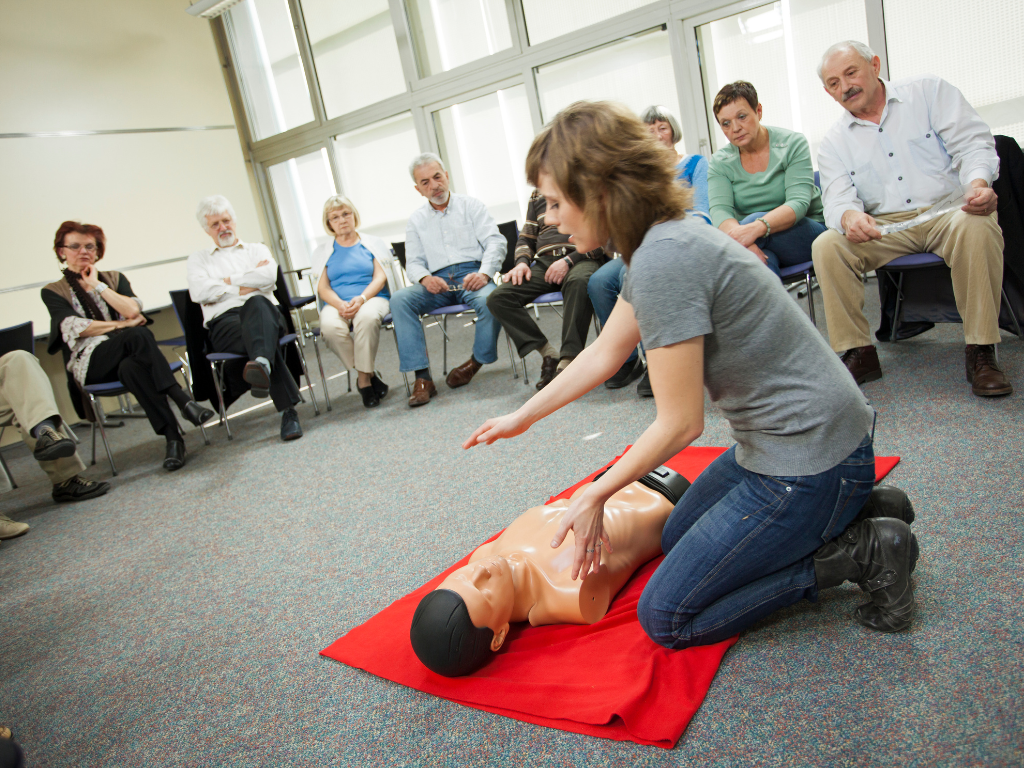
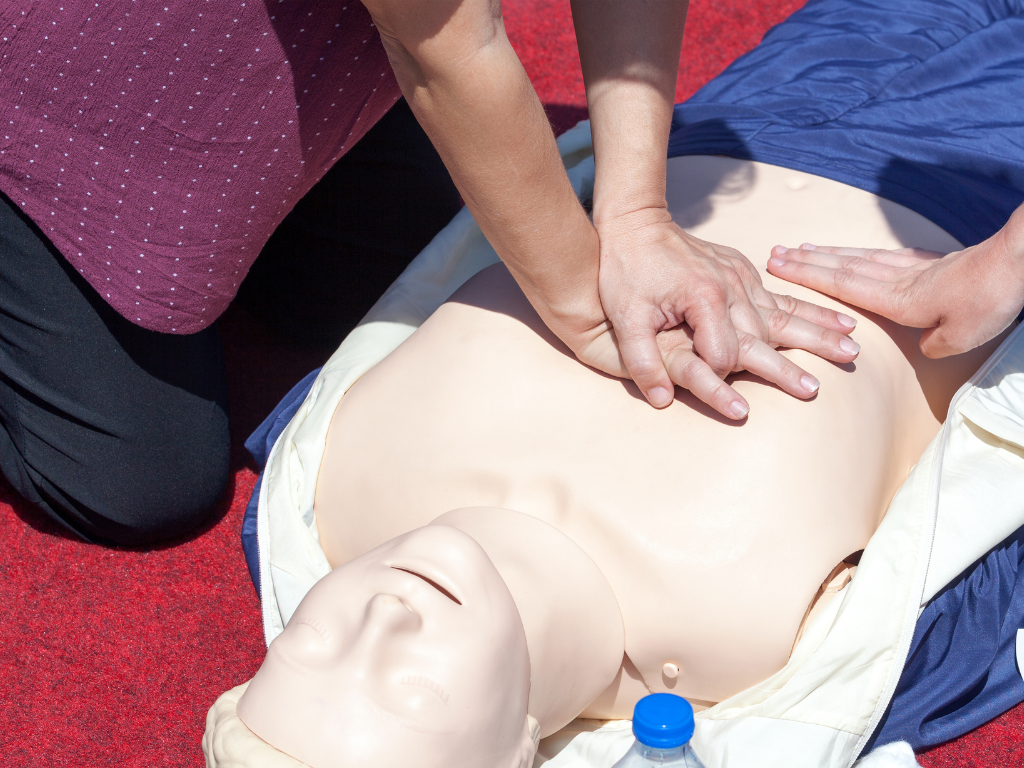
The same logic applies to first aid. Before registering for an occupational or child first aid programme, the learner should verify whether the exact run is listed as eligible rather than assuming all first aid categories are handled the same way. Supporting reading such as first aid course Singapore coverage planning helps clarify how course type, learner profile, and provider compliance fit together.

When to Submit Your SkillsFuture Claim: Before or After Course Payment?
Timing is one of the biggest reasons claims go wrong. The official MySkillsFuture guide states that the learner should first enrol in an eligible course and then submit the SkillsFuture Credit claim within 60 days before the course start date. This is not a post-course reimbursement process that you casually settle later.
That timing rule affects both safety and first aid learners. If you wait until the class has started, you may have already missed the claim window. If you choose the wrong payment flow and assume you can regularise it afterwards, you may end up paying out of pocket.
There is also an important difference between portal deduction and later refund situations. MySkillsFuture’s FAQs and terms explain that for courses described as “Pay to Training Provider,” credits can still be drawn from the learner’s SkillsFuture Credit account even if the learner fails to attend and has not cancelled properly. That means missing the class is not the same as preserving your credit. Attendance and cancellation discipline matter.
Step-by-Step SkillsFuture Claim Process Singapore Using MySkillsFuture Portal
Step 1: Log in via Singpass
The MySkillsFuture claim process begins with secure access through Singpass. The portal is built for individual claims, which is why the learner, not a colleague or training provider, should be the person handling the submission unless a formal exception applies.
Step 2: Search for your approved course
Search for the exact course title or course code on MySkillsFuture. The portal guide advises users to verify the provider name, course details, and selected run carefully. This is one of the most important stages because similar course titles can appear across different training partners.
For learners comparing first aid providers, this is where you check whether the chosen course run is really eligible. If you are browsing a provider’s site first, use it only as a starting point, then confirm in the portal before moving ahead.
Step 3: Submit claim amount
Once the correct course run is selected, enter the amount you want to claim using your available SkillsFuture Credit balance. The portal will show your balance and guide the application flow. This is where learners should be realistic about whether credit will fully cover the course or only reduce part of the payable fee.
Step 4: Confirm training provider details
Double-check the provider name, course title, run date, and course ID. MySkillsFuture specifically warns learners to verify these details because selecting the wrong run is a common source of avoidable problems.
Step 5: Receive confirmation of claim submission
After submission, you should receive confirmation through the portal process. In the direct application workflow, MySkillsFuture states that the training provider processes the application within 7 calendar days, subject to vacancies, and once confirmed the indicated SkillsFuture Credit amount is claimed.
Payment Workflow: How Course Fees Are Handled After Claim Submission
A successful claim does not always mean zero payment. In many cases, SkillsFuture Credit offsets part of the course fee and the learner or employer pays the balance. The exact arrangement depends on the course fee, subsidies, and available credit balance.
This is why SkillsFuture course payment steps should never be guessed. Some courses may involve provider-side payment collection after credit deduction. Others may require a remaining balance to be paid directly to the training provider. The learner should read the provider’s payment instructions and the portal details together, not separately.
For first aid and safety learners, this matters because class confirmation, seat reservation, and payment deadlines often sit close together. If the provider requires prompt balance payment and the learner delays, the registration may not move smoothly even if the credit claim itself was submitted.
Documents and Proof of Attendance Required for Successful Claims
Attendance is not a small detail. MySkillsFuture’s terms state clearly that the learner is required to attend the course specified in the application. If you do not attend and you also do not cancel properly, your credit can still be drawn for some course payment arrangements under the SkillsFuture Credit terms of use.
For many safety and first aid courses, completion also depends on assessment or practical participation, not just showing up physically. In practical training environments, learners may need to complete required attendance hours, assessment tasks, or competency components before the training outcome is recorded.
This is why proof of attendance matters in real terms even when the portal does not ask the learner to upload a stack of documents during the claim itself. Attendance records, provider confirmation, and successful course participation are part of what supports the claim outcome. If participation is incomplete, the training result and the value of the claim can both be affected.
Common Reasons SkillsFuture Claims Get Rejected for Safety Courses
The first is late submission. MySkillsFuture says the claim should be submitted within 60 days before course start. Many rejected or failed attempts begin with simple delay.
The second is selecting a non-approved or non-claimable course. This happens when learners rely on general provider marketing instead of checking the exact course run through the portal. One provider may offer both claimable and non-claimable safety training, so assumptions are risky.
The third is incorrect details. Wrong course run, wrong provider selection, or sloppy confirmation can disrupt the claim process. The official guide explicitly tells users to verify the exact listing details before submission.
The fourth is failure to attend or complete the course. MySkillsFuture’s FAQs and terms make it clear that cancellation, attendance, and refund handling all follow specific rules. Once the course has started, the cleanest recovery options may already be gone.
How Advanced Safe Consultants Pte Ltd Supports Learners Using SkillsFuture Credit
Advanced Safe Consultants Pte Ltd is a Singapore-based workplace safety and health training provider offering courses across first aid, fire safety, risk management, and related compliance training. For learners using SkillsFuture Credit, the value of such a provider is not just the course catalogue. It is the fact that eligibility and course structure can be checked against real training pages and compared carefully before enrolment.
This matters especially in first aid. A learner deciding between occupational first aid, child first aid, or other safety-related courses should not pick based on title alone. Supporting articles such as occupational first aid versus CPR AED training and standard first aid versus child first aid help clarify which course fits the learner’s role before they even reach the claim stage.
Advanced Safe also operates across broader WSH training and services, which makes it a practical example of a provider serving both individual learners and companies that need training aligned with operational compliance rather than generic course attendance.
What Happens After Your SkillsFuture Claim Is Approved
Approval does not end the process. After the claim is accepted and the course seat is confirmed, the learner still needs to attend the course, complete any required practical or assessment components, and settle any remaining balance that credit did not cover.
If the course is cancelled or you cannot attend, action must be taken quickly. MySkillsFuture’s FAQ says cancellation should be done at least 1 day before the course start date where possible. If the claim has already been paid out, refund handling may involve the training provider and reinstatement to the learner’s credit account through the proper process.
For successful learners, the final step is the training outcome itself. In safety and first aid contexts, that usually means course completion is recorded and the relevant certificate or qualification outcome is issued according to the provider’s approved training process.
Conclusion
Knowing how to claim SkillsFuture credit for safety course or first aid training comes down to a few non-negotiables: choose the right course, verify eligibility on MySkillsFuture, submit the claim within the allowed window, and attend the training properly.
Before you enrol, confirm the exact course run and provider details carefully. If you are comparing options, Advanced Safe Consultants Pte Ltd is one useful Singapore-based provider to review for first aid and workplace safety training pathways.
FAQs About Safety or First Aid Courses
Can I claim SkillsFuture Credit after completing a safety course?
Usually, no. MySkillsFuture states that claims should be submitted within 60 days before the course start date, so post-course claiming is not the normal route.
Do I need to pay the full course fee upfront before claiming?
Not always. The payment workflow depends on the course and provider. SkillsFuture Credit may offset part of the fee, but any remaining balance may still need to be paid to the training provider.
Can someone else submit the claim on my behalf?
The normal process is individual submission through MySkillsFuture using Singpass, because SkillsFuture Credit is a personal benefit tied to the learner.
What happens if I miss the claim submission deadline?
You may lose the chance to use SkillsFuture Credit for that course run and may need to pay without credit support. The official guide sets the claim window before course start.
What should I do if my SkillsFuture claim is rejected?
First, check whether the course was eligible, whether the correct run was selected, and whether the claim was submitted on time. Then review the provider’s payment and refund policy if registration has already progressed.