- 25 Mar 2026

Companies searching for a bizSAFE Level 2 safety consultant Singapore often mix up two very different roles: the course provider and the consultant who helps turn training into workplace action. This blog will walk you through what consultants actually do, when external support is useful, and how to judge whether your company needs a bizSAFE Level 2 course in Singapore only or broader implementation help.
What a bizSAFE Level 2 Safety Consultant Singapore Is Responsible For
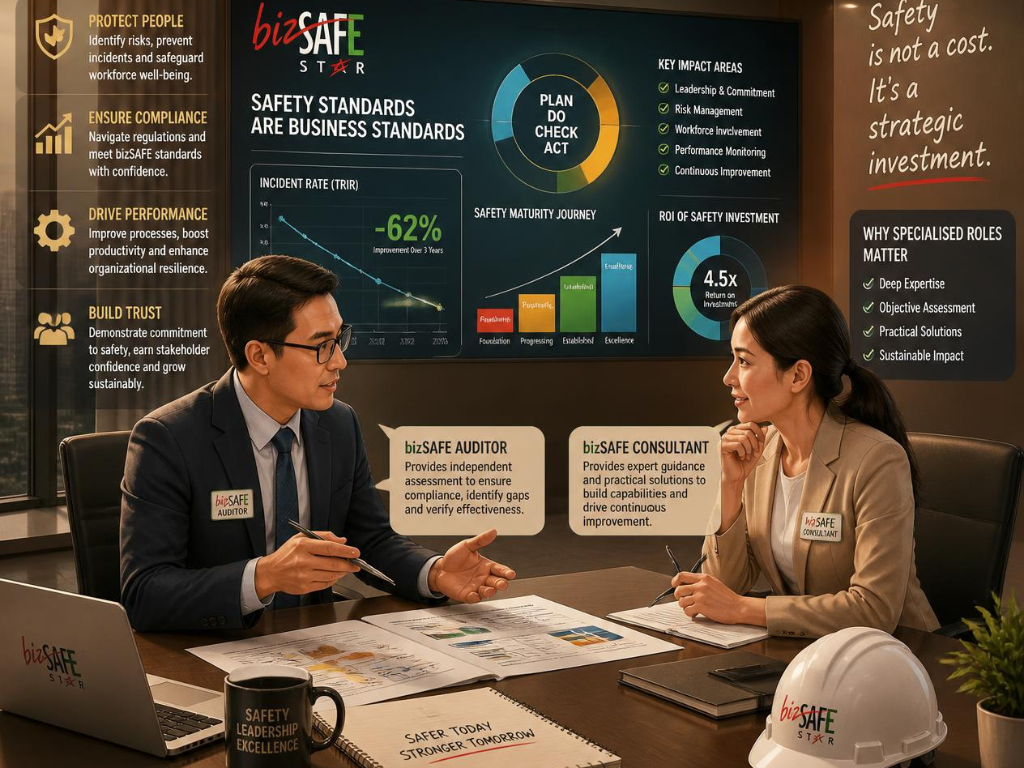
A bizSAFE Level 2 consultant is not the same as a trainer. The training provider delivers the approved course that equips a participant to become the company’s Risk Management Champion. The consultant’s role is broader and more operational. That person helps the company apply risk management principles to its actual work activities, documents, responsibilities, and next-step readiness. The WSH Council makes the training pathway clear, while MOM’s training framework separates recognised course delivery from wider safety advisory work.
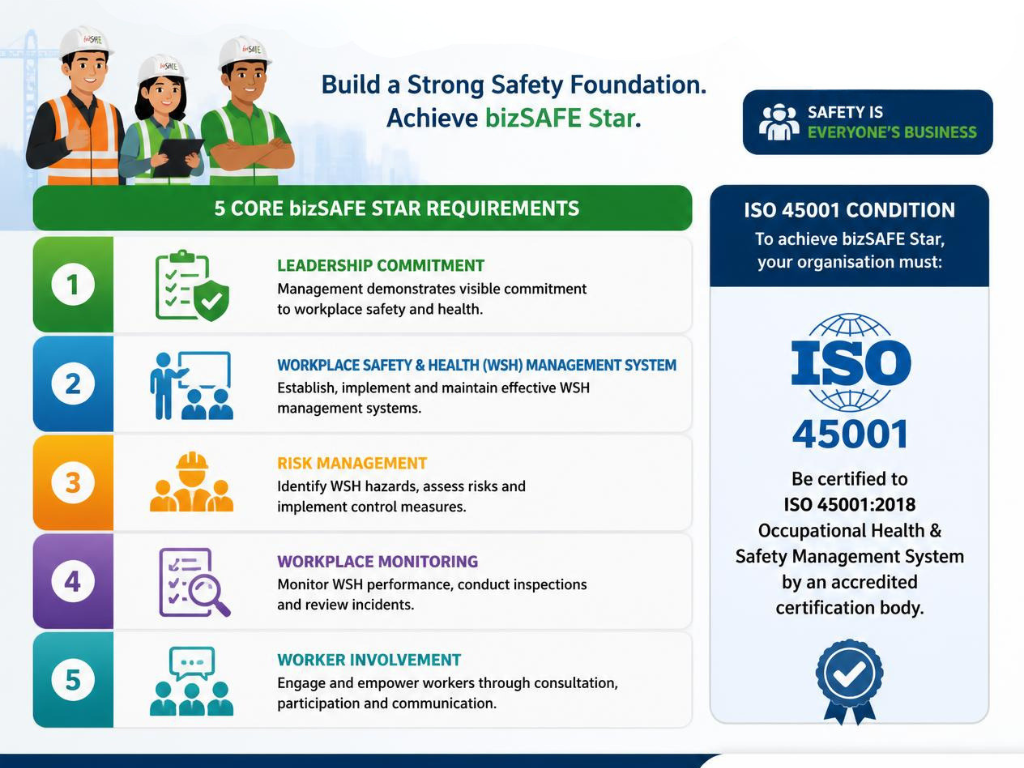
In practical terms, a risk management consultant Singapore usually helps a company interpret what the course means on the ground. That may include reviewing work processes, identifying hazards, structuring control measures, clarifying who owns each action, and checking whether the resulting records are usable for a bizSAFE application. This is especially relevant because the WSH Council states that course attendance alone does not automatically grant company recognition. The company still needs to submit the proper application and supporting documents under the official bizSAFE programme requirements.
The best consultants stay within that scope. They guide, review, organise, and prepare. They should not present consultancy as a substitute for approved training, and they should not imply that hiring them guarantees certification. That distinction matters because the certification pathway is administered through the official bizSAFE framework, not by any single private consultancy.

Do You Actually Need a WSH Consultant for bizSAFE Level 2?
No, not every company needs a WSH consultant for bizSAFE Level 2. A small business with simple operations, clear supervision, and someone capable of attending the approved course and driving follow-up internally may be able to complete Level 2 without external help. If the company has enough internal discipline to identify hazards, assign controls, document actions, and submit the application correctly, consultancy may add little value.
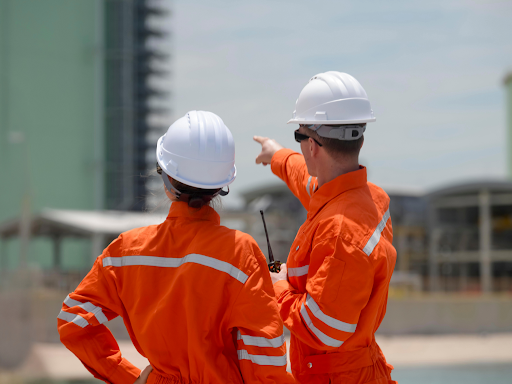
External support becomes more useful when the business has operational complexity that the course alone will not solve. Warehouses, logistics yards, engineering workshops, contractors, marine operations, and firms with multiple work areas often have moving parts that make documentation harder to build properly. In those cases, external guidance can reduce confusion, shorten the learning curve, and stop the trained participant from carrying the whole process alone.
Company size also changes the decision. Larger firms may already have a safety officer, internal audit routines, and document control support. SMEs often do not. For them, the question is less about formal headcount and more about internal capability. If the team can convert training into a working risk management system, an external consultant may be unnecessary. If they cannot, a consultant can be a practical bridge rather than an extra layer.
Scope of Work: What Consultants Typically Deliver for Level 2 Preparation
Risk Management Implementation Guidance
The strongest consultants help translate classroom learning into workplace decisions. That means reviewing tasks, equipment, movement patterns, contractor interfaces, and exposure points that create real risk. The end goal is not a generic form. It is a risk management process that matches how the business actually operates. This lines up with the practical framing in the risk management plan guide for bizSAFE Level 2, which focuses on hazards, controls, action owners, and follow-through rather than paperwork for its own sake.
Documentation Preparation Support
Documentation support is one of the most common reasons companies hire external help. A consultant may assist with drafting or reviewing risk registers, implementation plans, action logs, and supporting records. That matters because weak documentation is one of the biggest reasons internal teams stall after training. A good consultant makes the records usable, not merely complete.
Compliance Alignment With bizSAFE Requirements
Consultants also help companies understand whether their outputs are aligned with the bizSAFE pathway. This is not the same as certifying the company. It is about checking whether the company has built the right internal evidence before it applies. Since the WSH Council administers bizSAFE recognition and spells out the next stages clearly, an experienced consultant should be working backward from those requirements, not inventing their own checklist.
Coordination With Training Providers
Some companies use a consultant and a separate training provider. Others prefer one firm that can support both. Coordination matters either way because the trained participant still needs to complete the approved course. A consultant can help the participant prepare questions, connect the course content to company operations, and organise the follow-up work after training. They should not replace the participant’s responsibility, but they can make the process far more coherent.
Internal vs External Consultant: Which Option Works Better for SMEs?
An internal lead works well when the company already has someone who understands operations, can influence supervisors, and is willing to own documentation. Internal personnel know the workflows, the recurring shortcuts, and the real bottlenecks. That operational familiarity is valuable and often faster than bringing in a stranger.
The problem is that internal ownership does not automatically mean internal capability. Many SMEs assign Level 2 work to a manager who is already overloaded or has only limited WSH knowledge. That can produce a weak plan, slow implementation, or a last-minute scramble before application.
External consultants bring structure, outside perspective, and pattern recognition from other workplaces. They often spot gaps that internal teams normalise because they see them every day. For SMEs, a hybrid model is often the most efficient option: send one internal person for the approved course, then use limited consultancy support to review documents and guide implementation. That keeps ownership inside the company while reducing technical mistakes.
How a Risk Management Consultant Singapore Prepares You for Level 3 Readiness
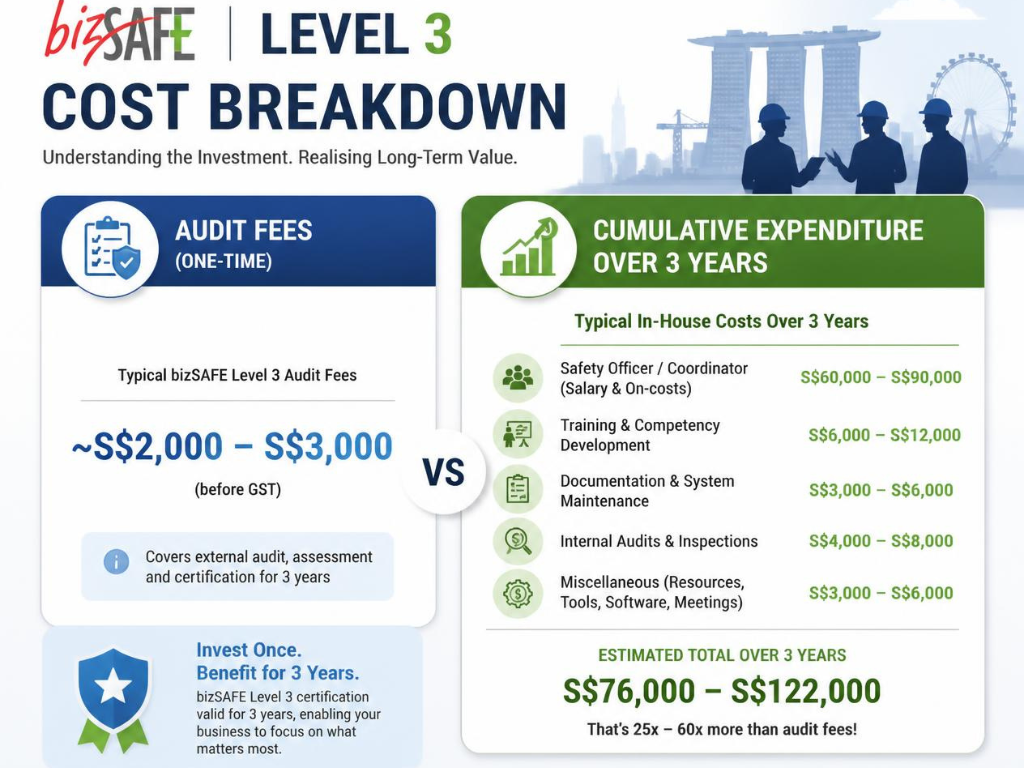
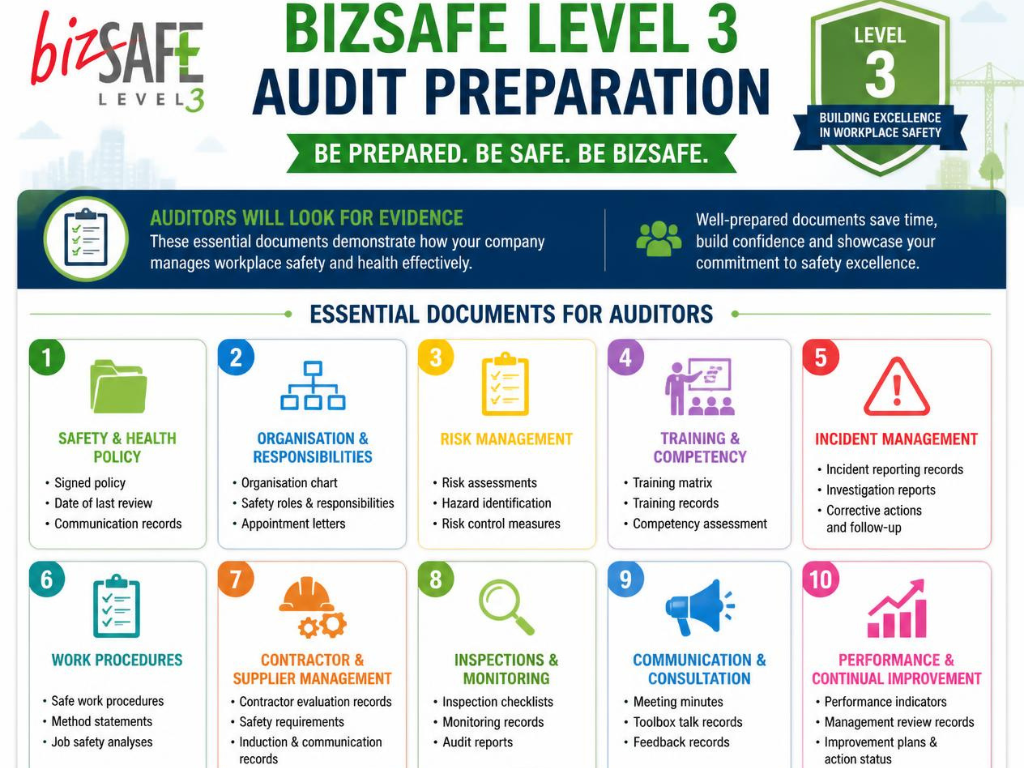
Level 2 and Level 3 should not be treated as separate islands. The WSH Council states that Level 3 and above recognise that a company has put in place systems to manage workplace risks and complies with the WSH Risk Management Regulations. It also states that Level 3 requires an auditing organisation registered with MOM to assess implementation using the bizSAFE Level 3 risk management audit checklist.
That has an important implication for Level 2 preparation. If the company builds poor records at Level 2, it creates rework later. A competent consultant helps avoid that by setting up continuity early. The aim is simple: create documents and ownership structures that are practical enough for current use and structured enough to support later audit readiness. Consultants who understand this progression tend to be more valuable than those who only talk about “passing Level 2.”
One caution matters here. The WSH Council also notes that for Level 3, the auditing organisation must be separate and independent from the consultancy organisation. Companies should know this early so they do not assume one consultant can handle every formal role in the whole bizSAFE pathway, and MOM’s list of accredited WSH auditing services acceptable to OSHD reinforces that audit work sits within a separate accredited structure.
Key Qualities to Look for in a bizSAFE Level 2 Safety Consultant Singapore
Relevant industry experience
Sector knowledge matters. A consultant who understands warehousing, transport, facilities maintenance, construction support work, or workshop operations will usually produce better risk discussions than someone who only speaks in generic safety terms. Hazards are shaped by the work environment, not by a template.
Practical implementation capability
The useful consultant is the one who can help a company move from course notes to actions, records, and assigned controls. If the support is purely theoretical, the company still ends up doing the hard part alone.
Familiarity with SME constraints
SMEs rarely have spare manpower. They need support that fits real operating limits, not ideal conditions. That means realistic meeting schedules, practical documentation, and clear prioritisation instead of complex systems that no one maintains after the consultant leaves.
Integration with training and certification process
The consultant should understand how approved training, application documents, and later progression connect. That does not mean the consultant must also be the trainer. It means they should be able to support the participant in a way that fits the official bizSAFE pathway.
How Advanced Safe Consultants Pte Ltd Supports Companies Preparing for bizSAFE Level 2
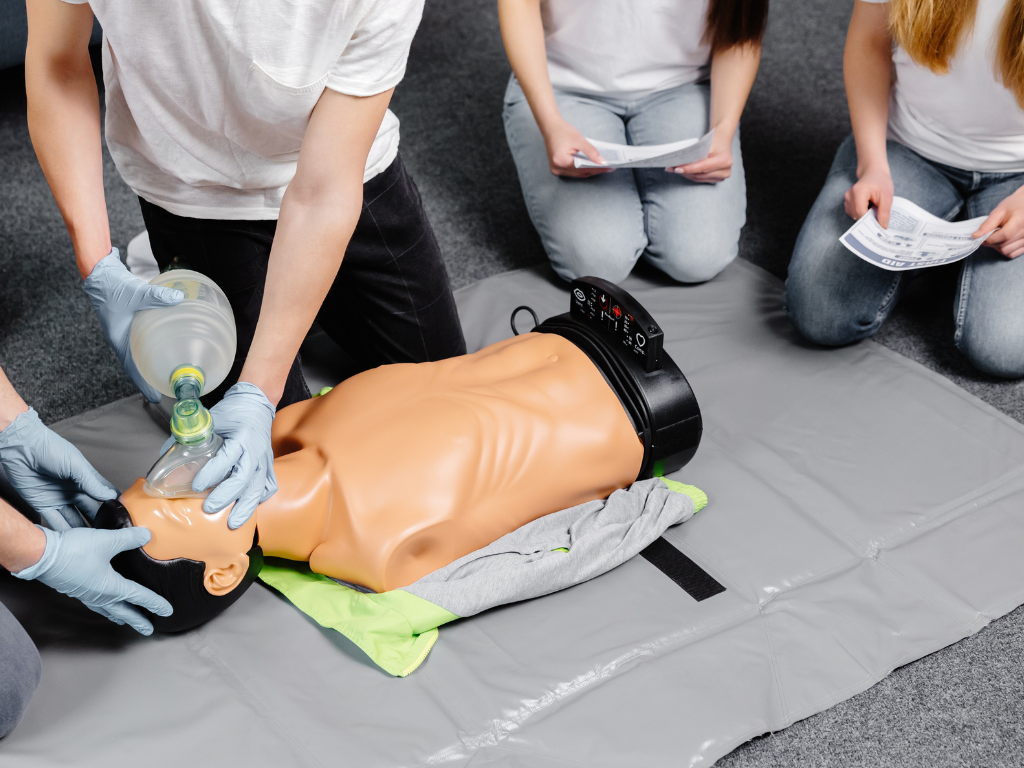
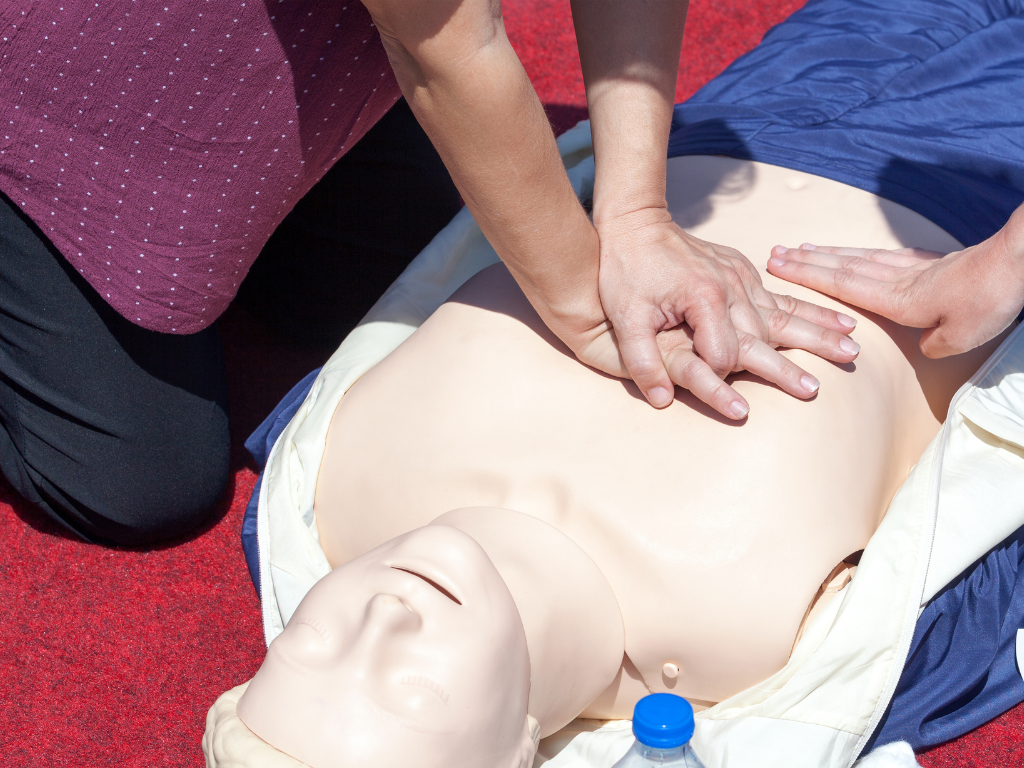
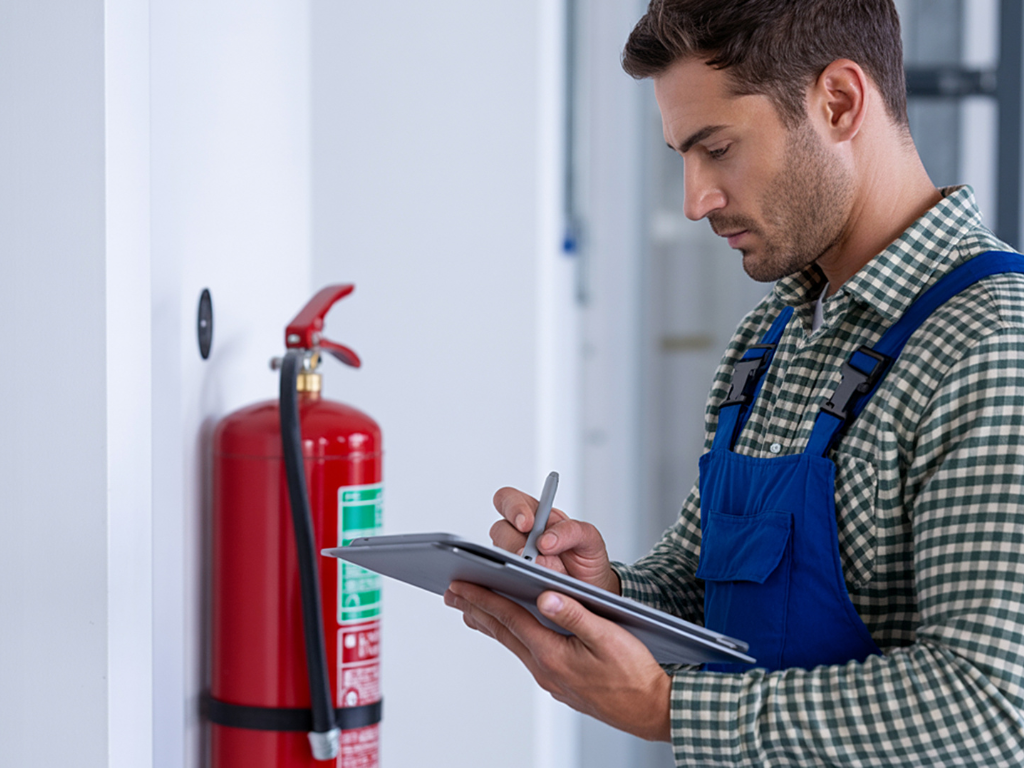
Advanced Safe Consultants Pte Ltd is a Singapore-based WSH consultancy and training provider, which makes it a relevant example for companies comparing support models. Its public service footprint covers risk management, safety training, first aid, fire safety, and related workplace safety services, while its Level 2 page clearly positions the approved course around developing a risk management implementation plan. That combined profile is often useful for SMEs that want both training access and practical safety guidance from one provider.
What makes this type of provider useful is not marketing breadth. It is the ability to connect compliance requirements with actual implementation support. Resources such as HIRADC assessment guidance in Singapore and workplace safety training that turns HIRADC into control suggest a practical, execution-focused approach rather than a course-only model.
Timeline: How Long Consultant Support Usually Takes
Consultant support for Level 2 preparation is usually shaped by three things: how quickly the participant completes training, how complex the workplace is, and how much documentation already exists. The approved training itself is often run as a two-day course, but consultancy may start before the class and continue after it while the company builds or refines its records. Advanced Safe’s course page and related public references show the common two-day training structure used in the market.
Urgent certification scenarios can compress the timeline, but compressed work usually requires stronger internal participation. No consultant can create a good risk management system in isolation if managers do not provide operational details, approve actions, and follow through on controls. Companies that plan early tend to get better results than those that call for help only when deadlines are close.
Common Mistakes Companies Make When Hiring Safety Consultants
The first mistake is hiring on price alone. Low fees can mean narrow scope, minimal review time, or template-driven work that does not match the company’s risks.
The second is assuming the consultant will “handle everything.” They will not. Internal participation still matters because managers and supervisors know the actual workflow, recurring hazards, and workarounds on site.
The third is choosing someone with no relevant industry experience. A consultant may understand safety language and still miss the operational detail that drives good risk management.
The fourth is forgetting the official boundaries in the bizSAFE pathway. Training must still be approved. Applications still go through the formal process. Later audit roles have independence requirements. Good consultants respect those lines instead of blurring them.
Conclusion
A bizSAFE Level 2 safety consultant Singapore is most useful when your company needs help turning approved training into real risk management practice. The right consultant adds structure, documentation discipline, and continuity toward later bizSAFE stages. The wrong one adds cost without improving readiness.
If your team is comparing providers, look closely at scope, sector experience, and how the support fits your internal capability. Advanced Safe Consultants Pte Ltd is one Singapore-based option worth assessing if you want both training access and practical WSH support.
FAQs About BizSAFE Level 2 Safety Consultant Singapore
Can a company complete bizSAFE Level 2 without hiring a consultant?
Yes. A company can complete the approved training pathway without a consultant if it has enough internal capability to build the risk management plan, prepare supporting records, and submit the bizSAFE application properly.
What is the difference between a bizSAFE trainer and a safety consultant?
A trainer delivers the approved course. A safety consultant helps the company apply that training to its own operations, documents, and readiness work. The roles can sit in the same firm, but they are not the same function.
Will a consultant guarantee passing bizSAFE requirements?
No credible consultant should promise that. bizSAFE recognition is governed by the official application and progression process under the WSH Council, and later stages involve separate audit requirements.
Can one consultant support multiple bizSAFE levels?
A consultant can support preparation across multiple stages, but formal roles are not unlimited. For Level 3, for example, the auditing organisation must be separate and independent from the consultancy organisation.
What documents will a consultant usually help prepare for Level 2 readiness?
That depends on the company, but support often includes risk management records, action ownership structure, supporting procedures, and document review linked to the company’s application readiness.