- 25 Mar 2026

If you are comparing bizSAFE Level 2 certification cost Singapore, the biggest mistake is to treat the course fee as the full project cost. This blog will walk you through what companies usually pay for training, where package pricing starts to rise, and which hidden costs SMEs often miss before they enrol in a bizSAFE Level 2 course in Singapore.
What the bizSAFE Level 2 Certification Cost Singapore Typically Includes
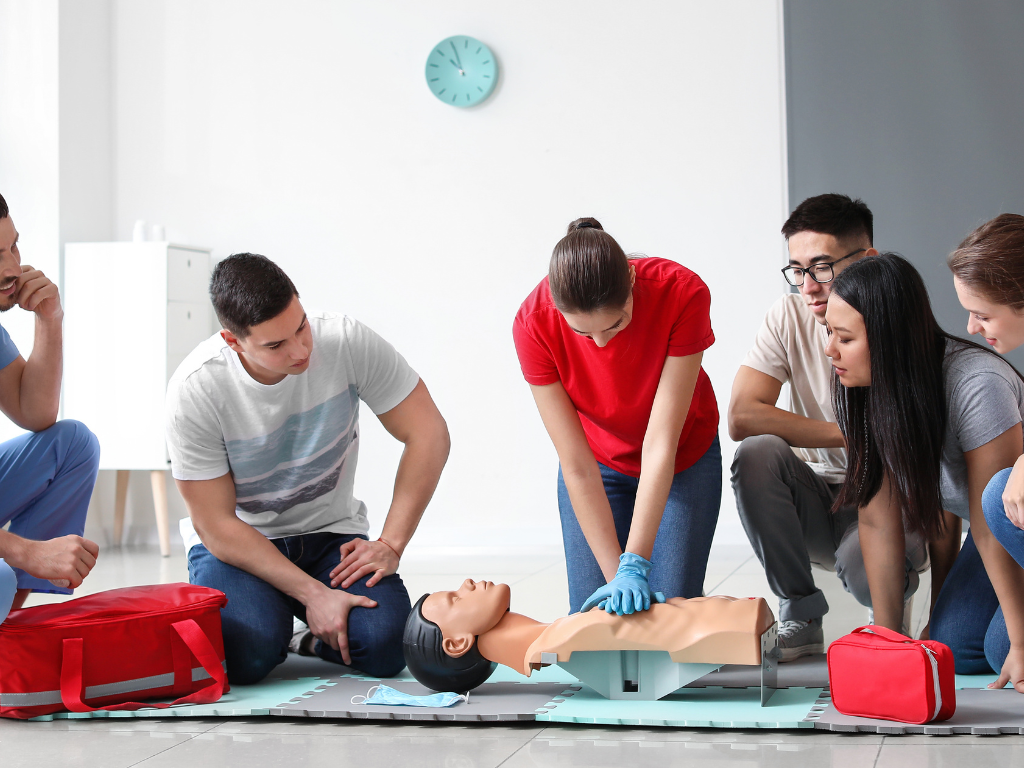
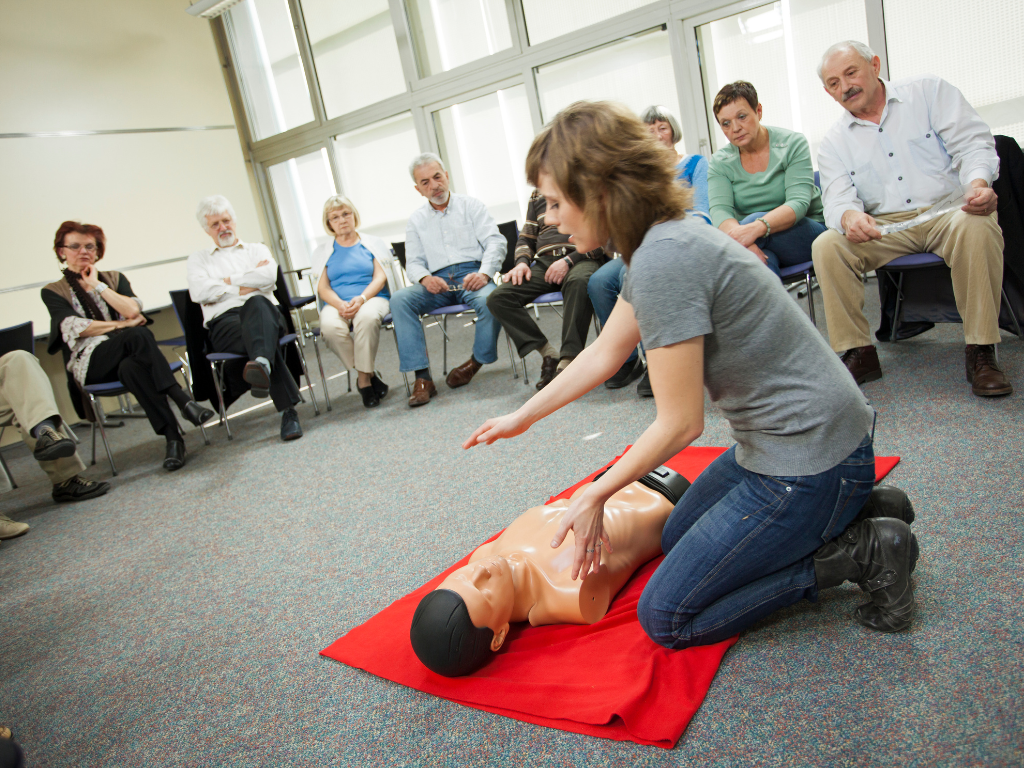
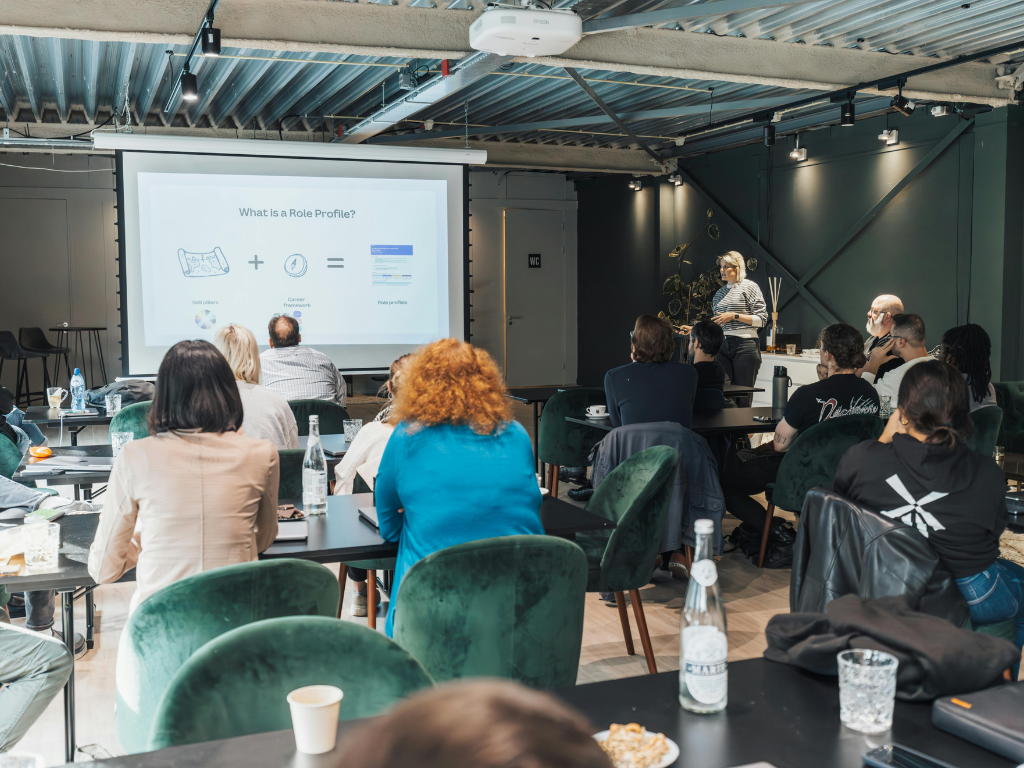
At Level 2, the core paid component is the WSQ course that trains a company’s Risk Management Champion to develop and implement a workplace risk management plan. Public provider pages show that the training usually includes course delivery, assessment, and issuance of a Statement of Attainment for successful participants. Advanced Safe Consultants Pte Ltd, for example, lists a 2-day classroom course with assessment and fee details on its public course page. Greensafe and SCAL Academy present the same structure, although their pricing differs.
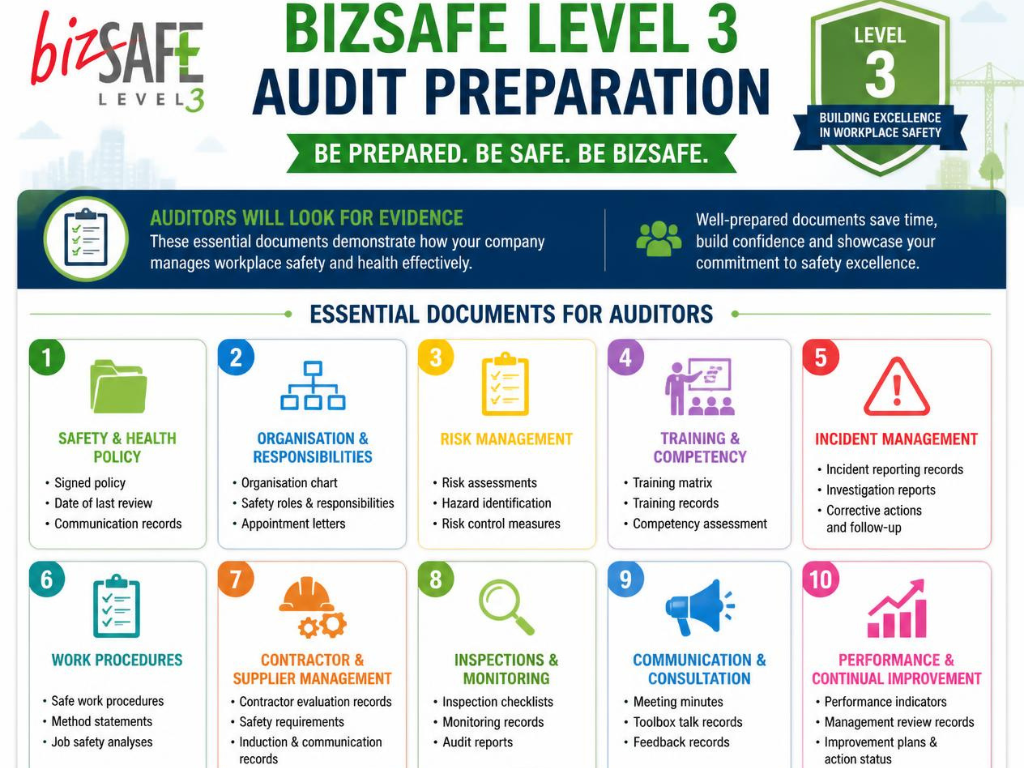
This is where many buyers get misled. A headline course fee is not the same as a full certification package. Training covers the participant. A broader package may cover registration support, risk management plan preparation guidance, document review, internal coaching, or preparation for the next bizSAFE stage. The WSH Council also states that course attendance alone does not automatically grant company recognition. The company still has to submit the bizSAFE application with supporting documents.
That distinction matters for budgeting. A lean SME with internal safety capability may only need one course seat. A contractor, warehouse operator, or logistics company with weak documentation may need training plus consultancy support to turn course knowledge into a usable risk management plan. That is why advertised prices vary so widely even when all providers are offering the same underlying Level 2 competency.

Average bizSAFE Level 2 Training Fee per Participant in Singapore
For standalone training, the live public market in early 2026 shows a realistic range of about S$320 to S$500 before or after GST depending on provider structure and membership status. Advanced Safe publishes a course fee of S$320 before GST. Greensafe publishes S$340. SCAL Academy lists S$347 for members and S$392 for non-members. Concord Associates lists S$392.40 inclusive of GST. SISO lists S$459.17 for members and S$499.17 for non-members.
That gives SMEs a practical benchmark. If you are paying around S$320 to S$400 per participant, you are in the lower to mid part of the public market. Once pricing moves toward S$450 to S$500, the provider is usually pricing for a different audience, membership model, or training ecosystem rather than simply the WSQ title itself.
Format also affects price. Most of the public pages reviewed for 2026 show classroom delivery, 2 training days, and a separate assessment component. Some institutions run special classes or private sessions on request, and those are usually priced differently from open public runs. SCAL explicitly states that special classes are available on request, which is often where group or urgent pricing starts to change.

Average bizSAFE Level 2 Package Price Singapore for Training + Consultancy
The phrase bizSAFE Level 2 package price Singapore usually refers to more than one training seat. It often means a bundle that combines the course with practical support for the company’s documentation and progression work. Public course pages rarely publish this as a fixed package because the workload changes by sector, number of work activities, existing records, and how much support the client expects after training.
In practice, SMEs should think in layers. The first layer is the training fee for the participant. The second layer is consultancy support for building or refining the risk management plan. The third layer is admin time, follow-up guidance, and future progression costs. For many small businesses, a realistic bundled spend can land far above the cost of one course seat because the package is paying for document work, review time, and implementation support, not just classroom hours. This is especially true when the business wants guided progression from the risk management plan guide for Level 2 into broader WSH consultancy services.
A sensible buyer’s stance in 2026 is this: if a provider quotes a “full package” that is only slightly above the training fee, you should ask what is actually included. Good packages usually cost more because they include real work after the course, not generic templates and email reminders.
Consultant Fees and Risk Management Plan Preparation Costs
Consultant fees enter the picture when the company needs help beyond attendance. That may include identifying work activities, structuring the risk assessment, assigning action owners, reviewing existing controls, or preparing documentation that aligns with Singapore’s WSH risk management framework. Advanced Safe’s own Level 2 practical guide makes clear that the plan must identify hazards, assess risks, choose controls, assign owners, and track actions to closure. That work can be simple for an office-based SME and much more involved for a logistics yard, workshop, or contracting firm.
This is why risk management plan preparation cost is not a single market number. A one-site office operation with limited hazards may need light review support. A company with multiple work areas, contractors, vehicle movement, lifting tasks, or machinery hazards usually needs more consultant hours. The fee is driven by complexity, not by the fact that the badge says Level 2.
Some providers position themselves for this hybrid need. Advanced Safe Consultants Pte Ltd is a Singapore-based WSH consultancy and training provider, so its service model is suited to companies that want training plus structured support rather than a standalone classroom transaction. That is often attractive to SMEs that do not have a full-time internal WSH resource.
Hidden Costs Companies Often Discover After Enrolling
Re-assessment or retake fees
Course buyers often focus on the first invoice and ignore what happens if dates change or assessment issues arise. SCAL’s public page shows S$50 for participant replacement, S$100 for postponement, and S$60 for an assessment appeal. Those are not extreme fees, but they are real budget items if the business is moving staff around at short notice.
Additional documentation support
Many SMEs assume the course provider will help them produce or review a company-ready risk management plan after class. Sometimes that support is included. Often it is not. If your team needs customised guidance, site-specific document review, or help translating hazards into a working plan, that support may sit outside the course fee.
Time loss and operational disruption
A 2-day course sounds manageable until you pull a supervisor, line leader, or operations manager out of daily work. Advanced Safe lists the course as 2 days, 16 hours. Greensafe and SCAL show almost the same structure. For SMEs running lean manpower, the indirect cost may be higher than the training invoice itself.
Upgrade costs for future bizSAFE levels
Level 2 is not the end of the spend if the company plans to progress. The WSH Council states that course attendance alone does not grant recognition, and future levels involve further implementation and audit-related work. A company that budgets only for Level 2 training may end up scrambling later when it needs documentation refinement or external audit preparation. The WSH Council’s bizSAFE level structure and validity rules make this progression clear, including the 6-month validity of Level 2 and the need to move forward rather than treat it as a permanent endpoint.
Course Duration vs Cost: Why Faster Options May Cost More
Most public Level 2 courses are structured as a standard 2-day format. That keeps pricing relatively stable across the mainstream market. Costs rise when the company wants private scheduling, urgent seats, special classes, or corporate runs with adjusted timing. SCAL’s note that special classes are available on request is a useful signal of how this works in practice.
Urgency costs money because it disrupts the provider’s scheduling model. Private sessions, weekend runs, or small closed-group classes usually involve lower seat efficiency for the provider. For the buyer, that may still be worth paying if fast certification supports tender deadlines, internal compliance timelines, or project mobilisation.
Funding Support and Subsidies That Can Reduce bizSAFE Level 2 Costs
Funding can materially reduce net course cost, but companies should verify eligibility before building the budget around it. Advanced Safe states that its Level 2 course offers up to 70% subsidies for Singaporeans and Permanent Residents and is eligible for SkillsFuture Credits for qualifying individuals. SCAL and Concord show the same broad funding direction, while MOM’s accredited WSH course and training provider search guidance points users to approved search routes for recognised courses, and SkillsFuture Singapore’s funding for individuals page explains the baseline subsidy structure for eligible self-sponsored learners.
The practical takeaway is simple. Funding may reduce the training fee, but it does not automatically remove consultancy costs, internal time cost, or future progression spend. That is why SME budgeting should separate gross training fee, expected funding support, and non-fundable support items.
How Advanced Safe Consultants Pte Ltd Structures BizSAFE Level 2 Support for SMEs
Advanced Safe Consultants Pte Ltd is a useful example of an SME-oriented provider because it does not present Level 2 as a disconnected one-off course. Its public course page gives a visible fee, duration, subsidy notes, assessment structure, and participant profile. Its broader service footprint in WSH consultancy makes it suitable for companies that want a more structured path from training into risk management execution.
For SMEs, that matters. A provider with both training and consultancy capability is often easier to work with when the problem is not “find one seat” but “get the course done, clean up the documentation, and move forward without administrative drift.” Related resources such as HIRADC assessment guidance in Singapore and workplace safety training that turns HIRADC into control show that the firm’s content is built around implementation, not just registration.
How to Budget for bizSAFE Level 2 Certification as an SME
Start with the direct course fee. Then decide whether the company genuinely needs training only or a broader package. A straightforward office-based SME with simple tasks may only need one trained RM Champion and internal follow-through. A warehouse, transport, or higher-risk operation usually benefits from scoped consultancy support because risk documentation quality affects both compliance and daily operations.
After that, budget for the hidden items. Set aside a buffer for schedule changes, productivity loss during training days, and extra support if the first draft of the risk management plan is not strong enough. If your company is likely to progress to the next stage soon, include future readiness work in the timeline instead of treating it as an unplanned surprise.
When Paying More for a Full Package Actually Saves Money
A full package makes financial sense when it prevents repeated work. If your manager attends the course but still cannot produce a practical plan, you have paid once for training and will pay again for consulting. If the provider can guide the company properly from the start, the higher upfront package price may reduce delays, admin burden, and rework.
This is especially true for SMEs where one person wears multiple hats. The value is not just in compliance. It is in getting a workable risk management system in place without stretching internal staff into a stop-start process that drags on for months.
Conclusion
The real bizSAFE Level 2 certification cost Singapore is rarely just the course fee. It is the sum of training, support, staff time, follow-up work, and future progression planning. Companies that compare only headline prices often under-budget.
If your business wants a clearer quote structure, compare providers based on total scope, not just seat price, and include Advanced Safe Consultants Pte Ltd in that comparison if you need both training and practical WSH support.
FAQs About BizSAFE Level 2 Certification Cost Singapore
Is BizSAFE Level 2 cost per company or per participant?
The training fee is usually charged per participant. Company-level cost rises when the business adds consultancy, document support, or broader WSH implementation work through a provider such as Advanced Safe Consultants Pte Ltd.
Are consultancy services required for BizSAFE Level 2?
No. A company can attend the approved course without hiring a consultant. Consultancy becomes useful when the team needs help building a practical risk management plan or preparing documentation for smoother bizSAFE progression.
Can SMEs complete BizSAFE Level 2 without hiring a consultant?
Yes, many SMEs can, especially if they already have internal WSH capability. The deciding factor is whether the business can turn the RM Champion’s training into a usable company plan without outside support.
What happens if a participant fails the course assessment?
Policies differ by provider. Some providers publish fees for appeals, postponements, or replacements, so companies should read the admin terms before enrolling. SCAL, for example, publishes charges for replacement, postponement, and assessment appeal.
Does BizSAFE Level 2 lead to more costs later?
Often yes. Companies that progress further may incur extra costs for implementation support, document refinement, or later-stage audit readiness. That is why Level 2 should be budgeted as part of a compliance pathway, not as an isolated purchase.