- 30 Dec 2025
A strong workplace safety culture in Singapore allows SMEs to operate confidently even with tight manpower and fast-moving schedules. This blog will walk you through how SMEs can build a safety-first culture through practical actions grounded in real examples from Singapore companies.
Many SME leaders start by reviewing how their teams absorb safety habits, often using structured programmes from the catalogue of workplace safety courses in Singapore to strengthen consistency across departments.
Why Workplace Safety Culture Matters for SMEs in Singapore

SMEs make up a large share of Singapore’s workforce. Many operate in logistics, construction support, manufacturing, and service environments where equipment, fatigue, and tight deadlines intersect. A strong culture reduces incidents, improves retention and helps companies avoid operational downtime.
A safety-first culture goes beyond compliance. It is about how people behave, communicate, and make decisions even when no one is watching. In SMEs, this often begins with leadership habits rather than large-scale frameworks.
The guide on risk management implementation in Singapore outlines how smaller companies can embed safety values into their workflows by pairing simple systems with visible leadership support.
A strong culture also aligns with MOM’s expectations. According to the WSH Council guidance on safety culture, companies should build behavioural consistency, leadership involvement and system reliability for all levels of the organisation:
What SMEs Struggle With When Building a Safety-first Culture

Many SMEs face the same structural challenges:
- Lean teams with supervisors who juggle operations and safety
- Limited training budgets
- Subcontractor variability
- Fast-changing work schedules
- High turnover in frontline roles
These issues often result in inconsistent safety habits. In many Singapore case studies, incidents were not caused by poor systems. They were caused by inconsistent behaviour or misunderstood expectations.
How SMEs Can Build a Safety-first Culture: Practical Steps Backed by Real Cases
Below are practical actions SMEs in Singapore have used to strengthen safety culture. Each action reflects real patterns seen across audits, incident investigations and improvement projects.
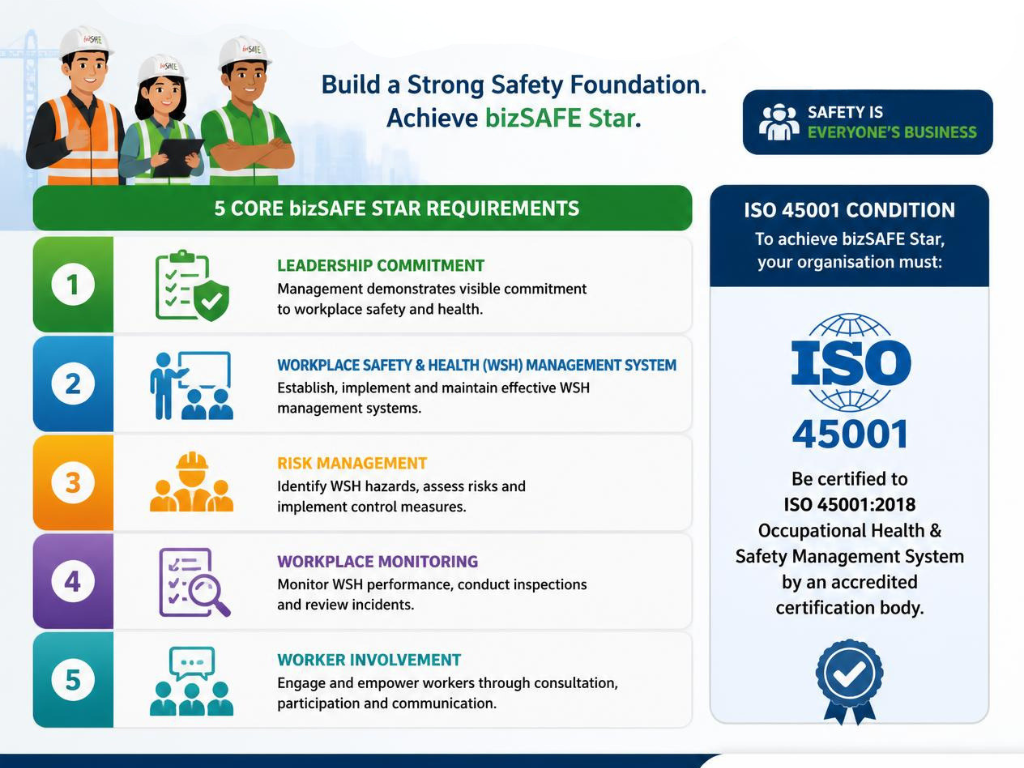
1. Start With Leadership Behaviour That Workers Can See
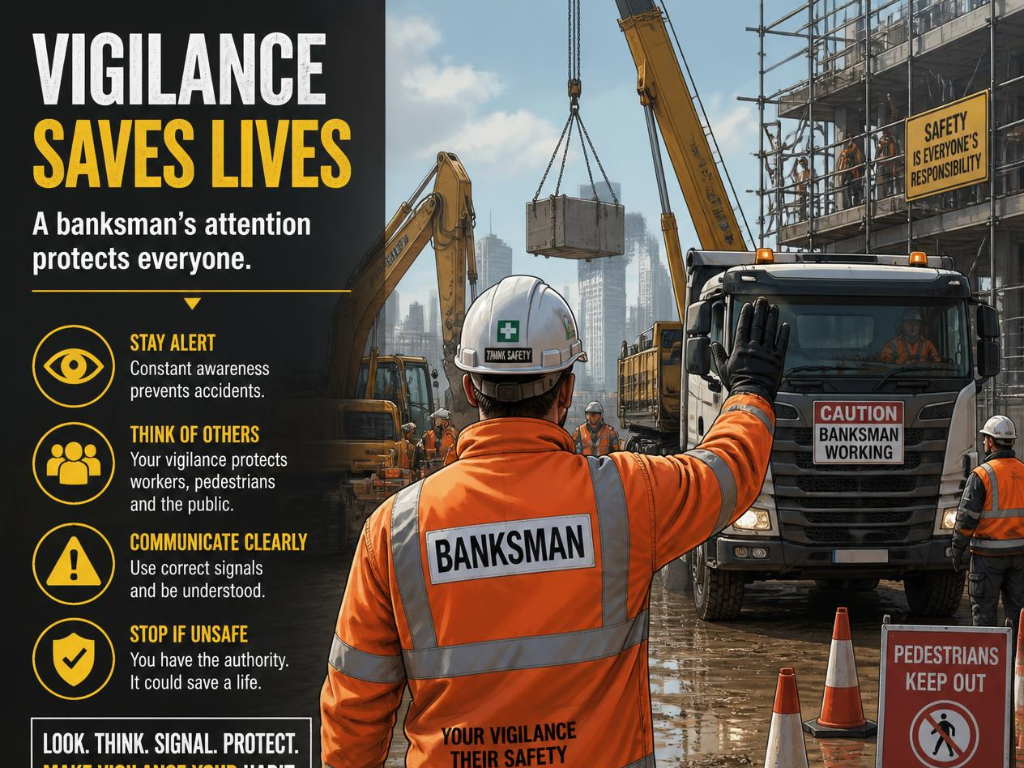
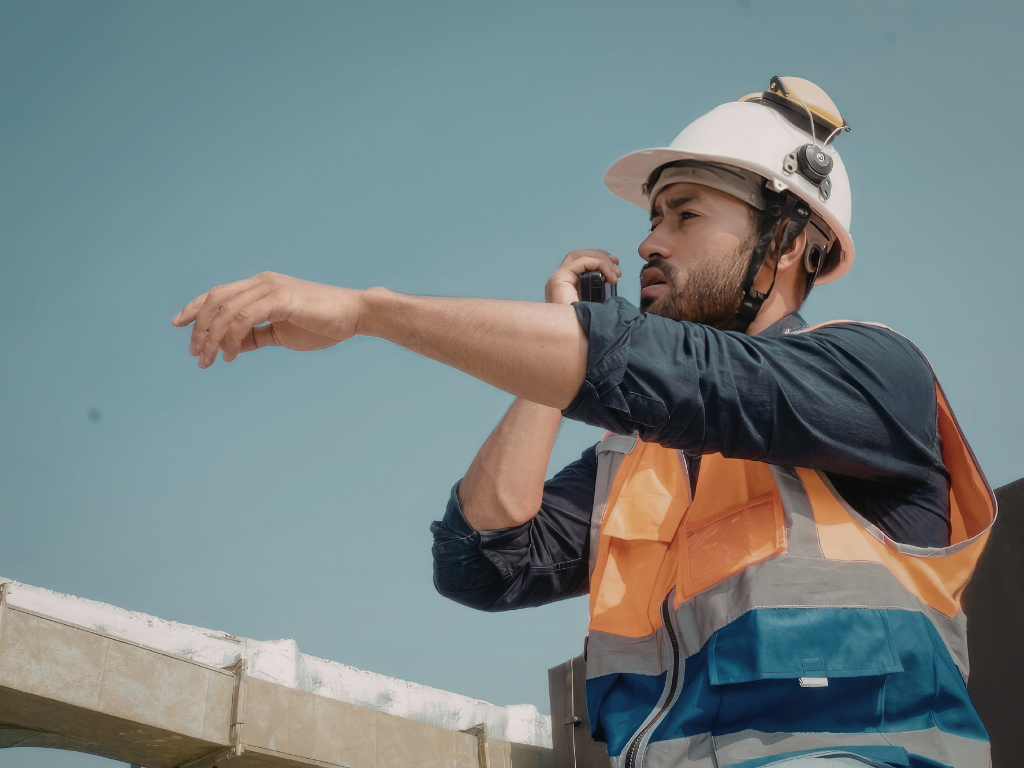
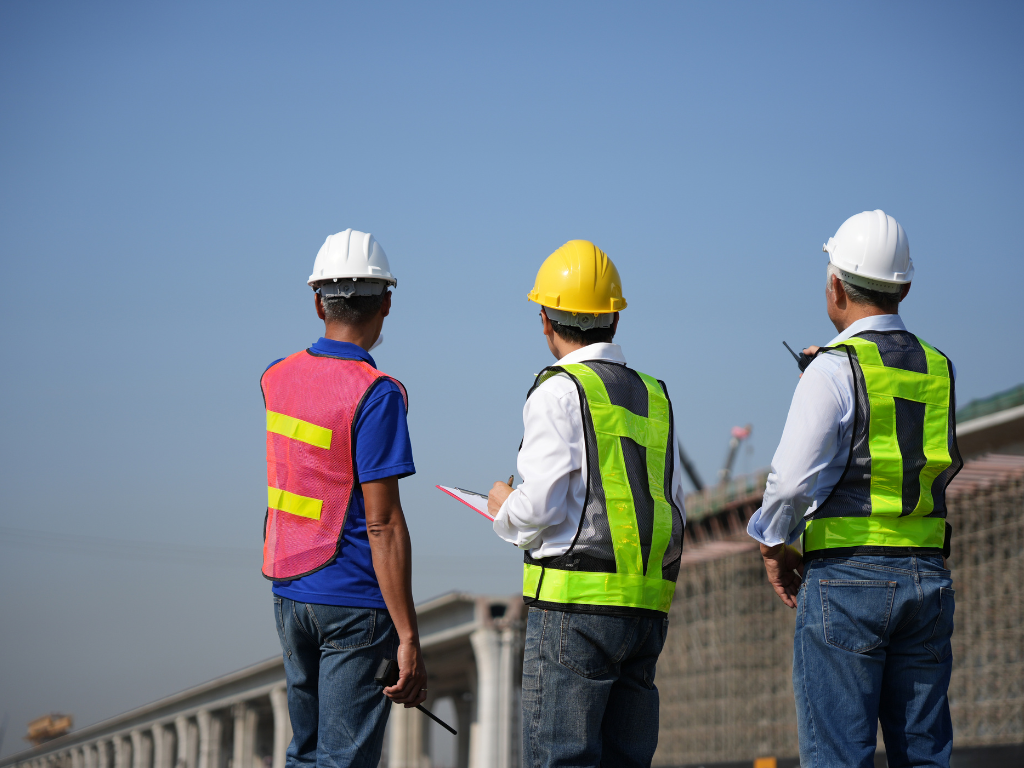
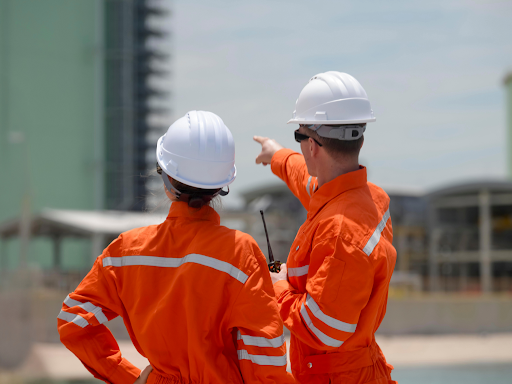
A safety culture begins to take shape when leadership makes visible choices that show a genuine commitment to following the rules themselves. This sets a tone for workers who, more often than not, will follow their supervisor’s example.
Practical examples of this in action:
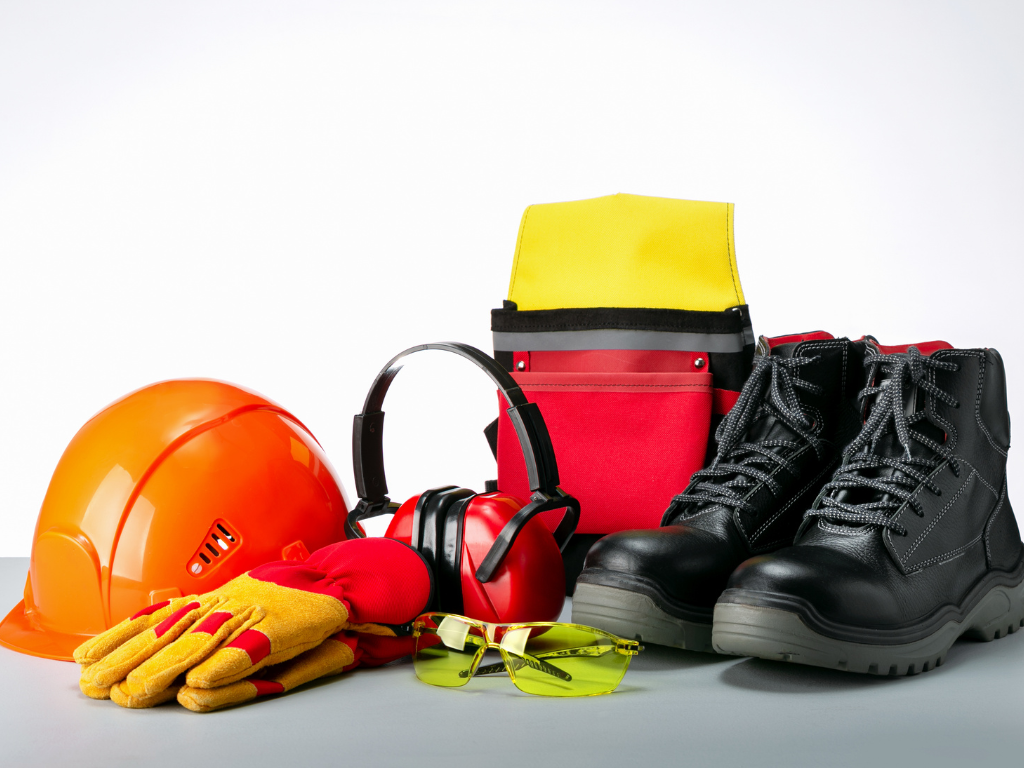
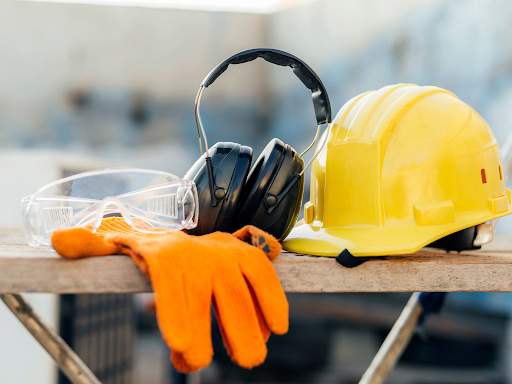
- For instance, when a director turns up to the site every day wearing their PPE, it sends a crystal clear message that health and safety rules aren’t something for the little guy to worry about; they apply to everyone, from the CEO on down.
- A supervisor who puts work on hold for just a minute to address a potential hazard shows – in a very tangible way – that safety is just as important to them as getting the job done.
- And a manager who actually takes the time to ask their team for ideas about how to make a job safer, rather than just dictating what has to be done, encourages that sense of shared ownership that lies at the heart of a genuine safety culture.
2. Build a Foundation Through Simple Systems Workers Can Follow
SMEs do not need complex systems to build culture. They need systems that are easy to understand and consistently applied.
Core systems include:
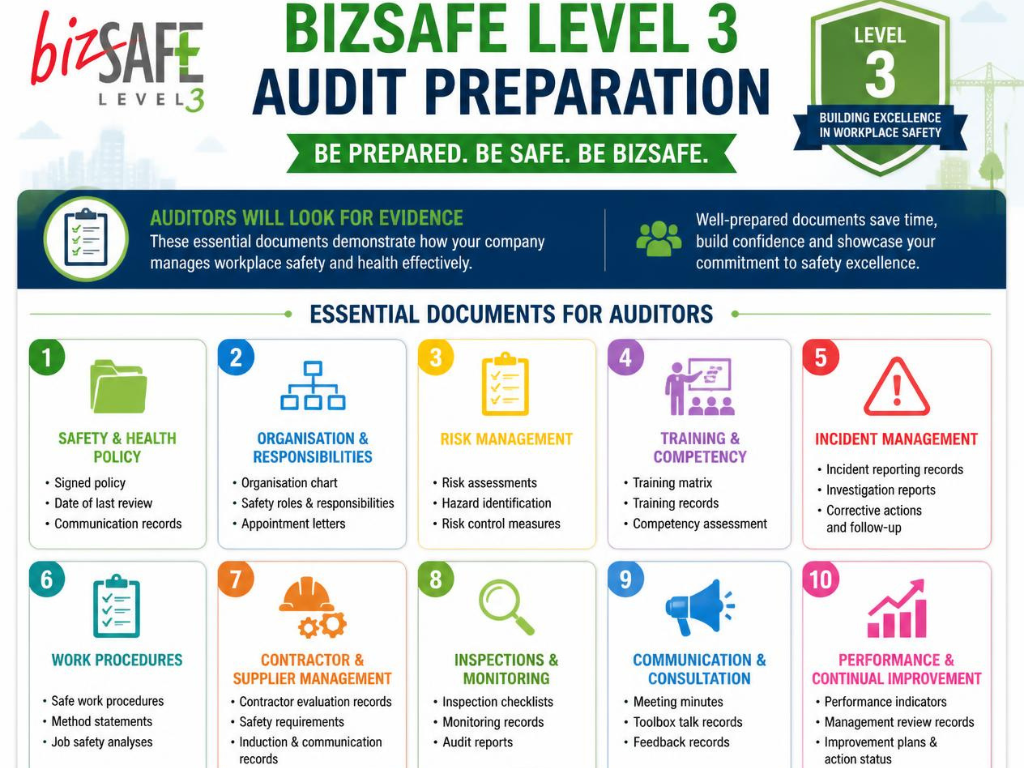
- Up-to-date risk assessments
- Clear Safe Work Procedures
- Incident and near-miss reporting methods
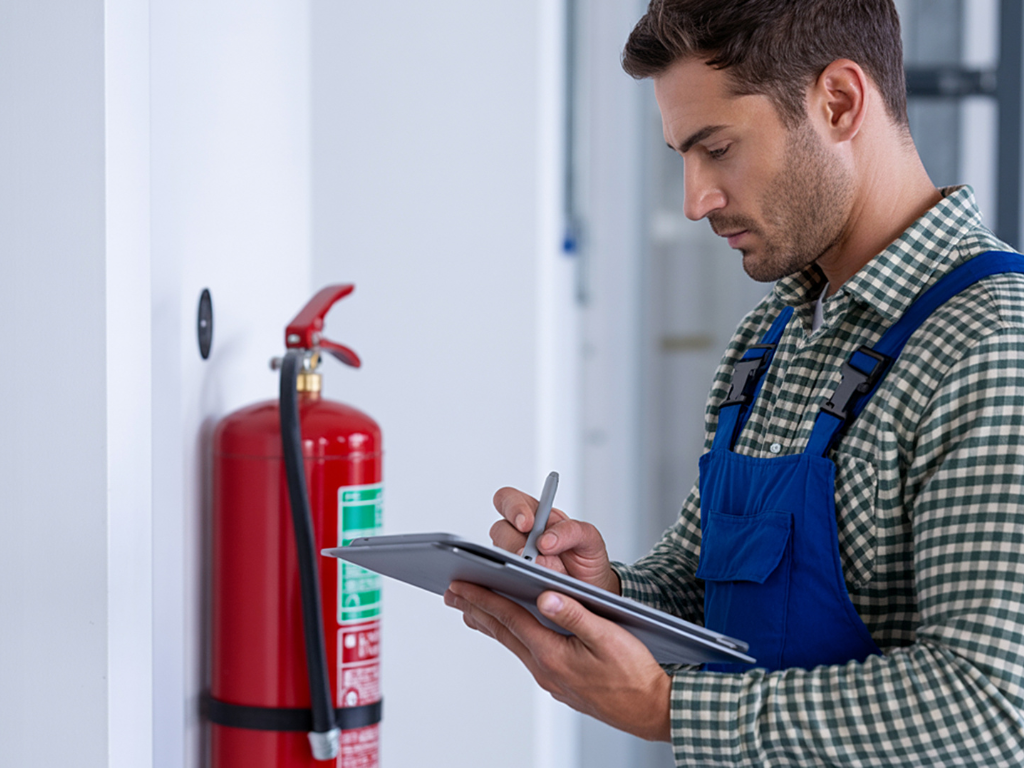
- Simple inspection routines
- Training records
The article on managing workplace hazards effectively highlights how SMEs benefit when hazard identification is simplified into routines that do not overwhelm staff.
3. Use Behaviour-based Safety Techniques to Reinforce Good Habits
Behaviour-based safety (BBS) focuses on the small actions workers take every day, such as how they lift items, where they walk or whether they check their surroundings before starting work.
For SMEs, BBS works best when:
- Feedback is immediate and respectful
- Supervisors highlight what is done well, not just what is missing
- Workers participate in identifying risky behaviour
- Coaching becomes part of normal routines
According to the International Labour Organization’s guidance on behavioural safety and worker engagement, positive reinforcement is more effective than punitive approaches when shaping long-term habits:
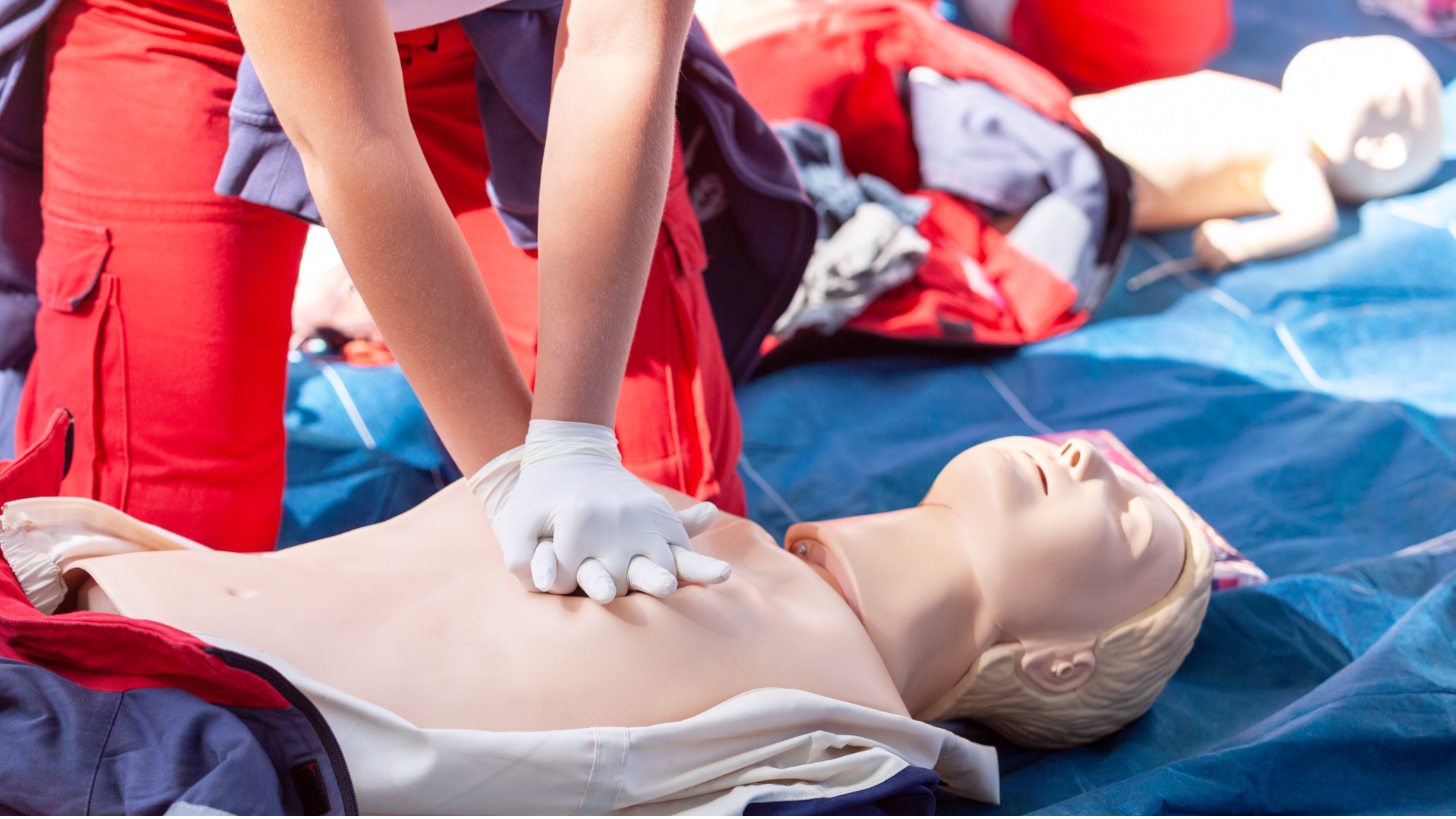
4. Strengthen Skills Through Targeted, Affordable Training
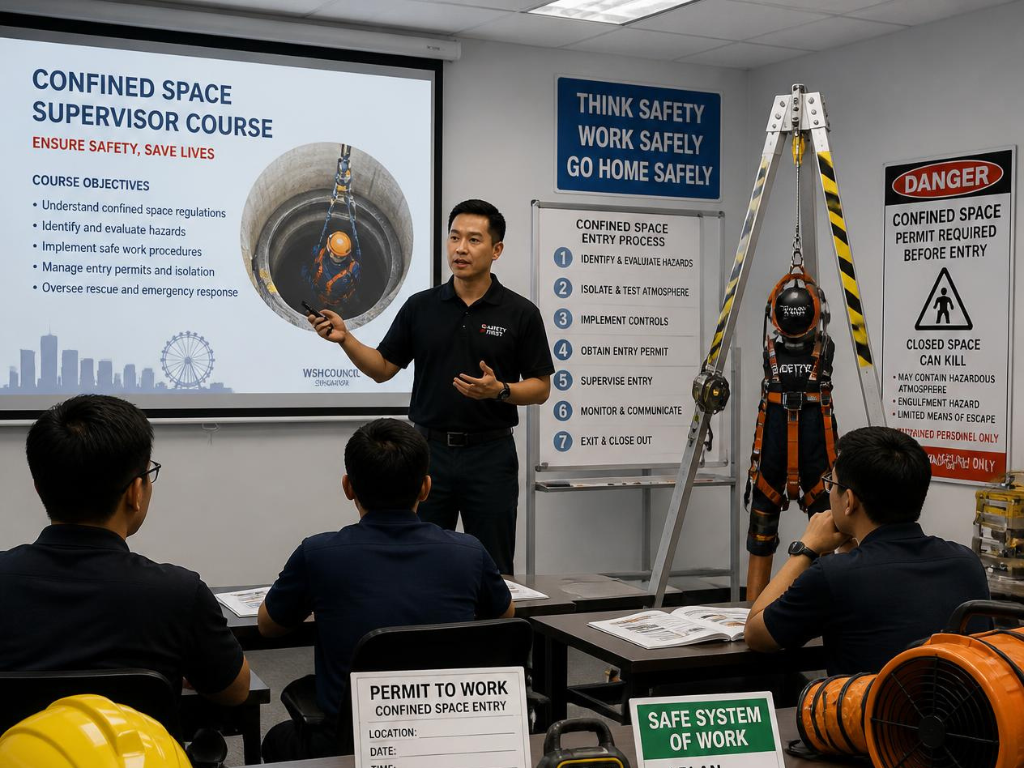
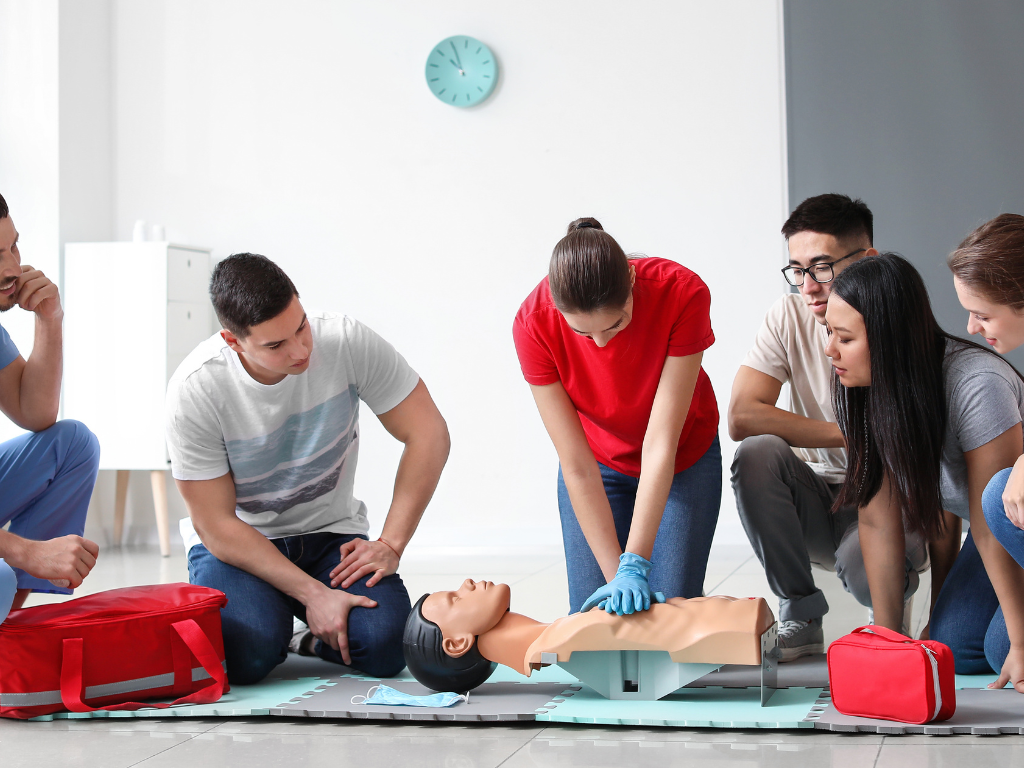
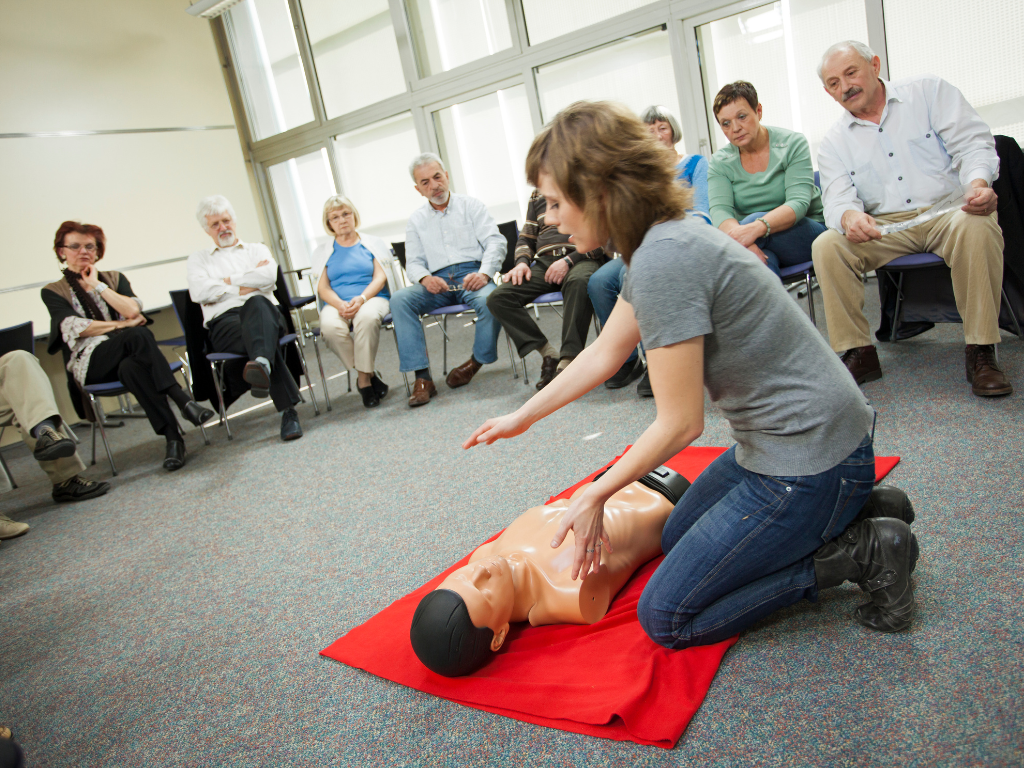
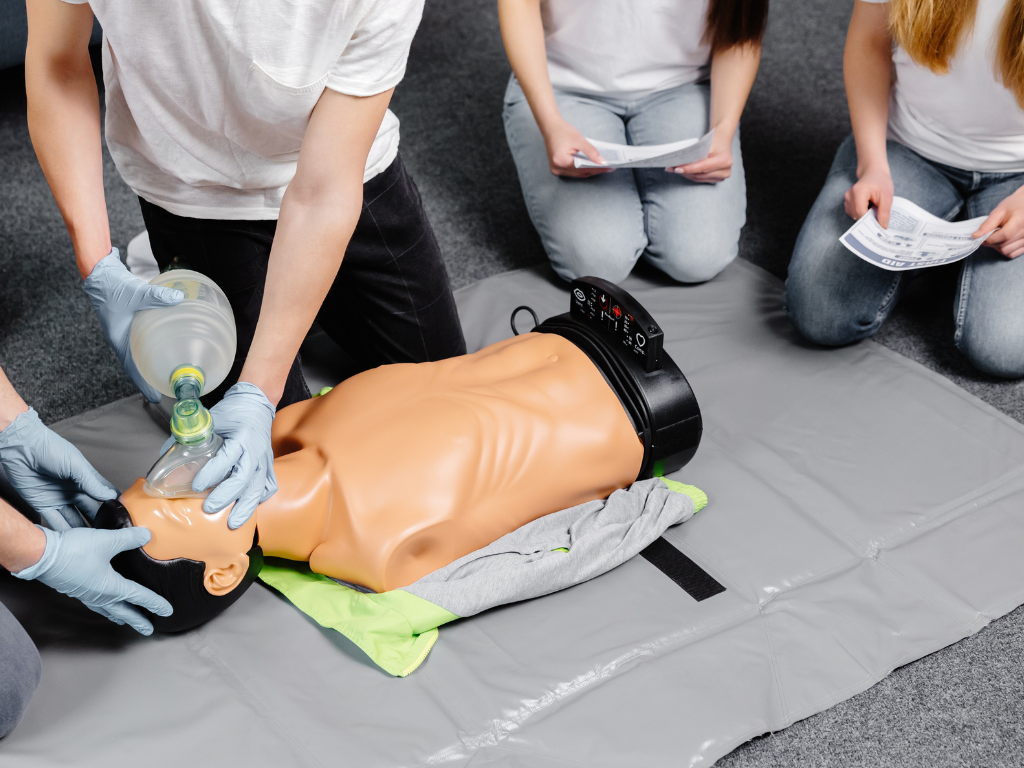
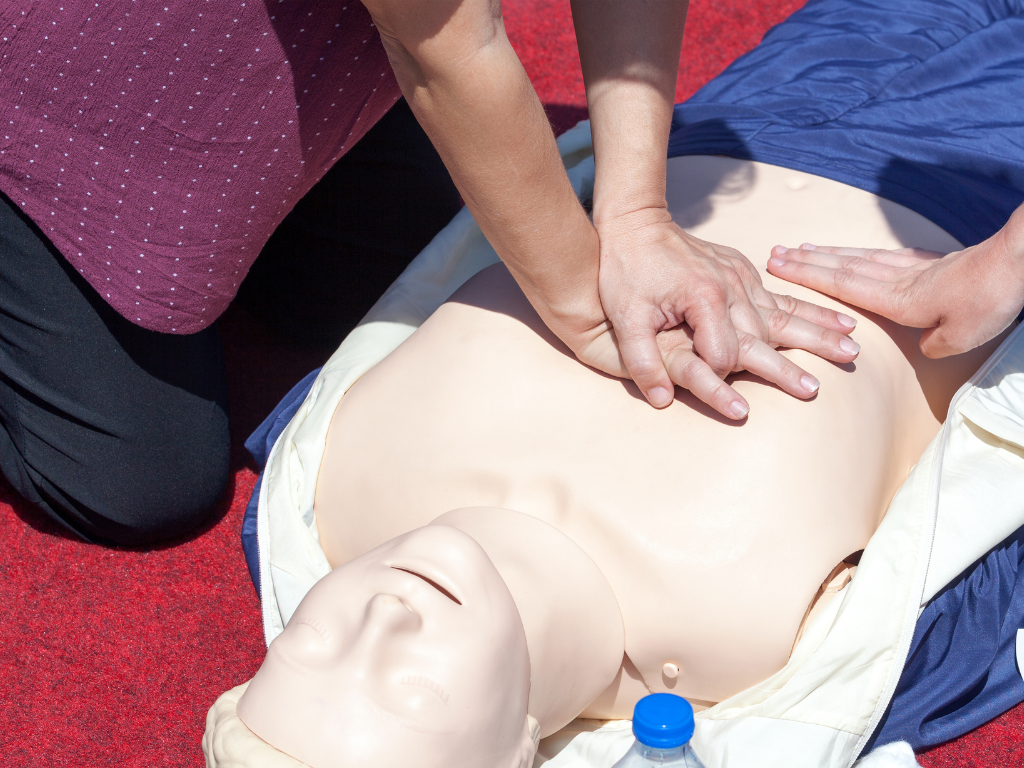
Training is a key pillar of workplace safety culture Singapore SMEs rely on, especially when teams include new hires or foreign workers.
The most effective SME training is:
- Short
- Practical
- Scenario-based
- Immediately applicable to daily tasks
5. Empower Workers to Flag Hazards Without Fear
A psychologically safe environment encourages workers to speak up before small issues become larger problems.
SMEs can build this by:
- Allowing anonymous reporting
- Responding quickly to worker feedback
- Publicly recognising proactive behaviour
- Making it clear that raising a hazard is not blameworthy
MOM’s position on worker engagement under the WSH Act aligns with this approach. The WSH Council’s materials emphasise that effective reporting cultures lead to earlier intervention and fewer injuries:
6. Reinforce Culture Through Consistent Communication
Communication anchors safety culture. What leaders talk about becomes what workers pay attention to.
Effective SME practices include:
- Beginning meetings with a short safety reflection
- Using simple visuals to explain hazards
- Sharing incident learnings without blame
- Displaying updated KPIs for housekeeping or inspection scores
7. Align Contractors and Subcontractors With Your Culture
SMEs often work with contractors who may have different safety habits. When cultures do not align, risks rise.
Actions that help:
- Clear onboarding for contractors
- Mandatory briefings before work
- Simple compliance expectations
- Shared inspections during joint operations
What Real Singapore Case Studies Reveal About Safety Culture Success
The difference maker, across all sorts of businesses, comes down to three very clear patterns that successful SMEs just seem to get right.
Pattern 1: Safety is treated as part of performance, not a compliance box
When you see supervisors linking safety to quality, to getting things done on time, or to keeping customers happy, workers start to get the message that safety’s there to make the business run, not just to fill out some form.
Pattern 2: Small habits matter more than big statements
The leaders who make a real difference are the ones who model the small behaviors that add up to safety – every day.
Examples:
- dropping a cone over a spill the minute you see it
- asking someone to show you how they’d lift that heavy object
- not starting a job until the area is clear
Pattern 3: Culture grows through repetition and reinforcement
Small businesses that keep pounding home the same key messages every week can get some pretty impressive results even when they’re not spending loads of cash. And when you keep the message steady, you can see real results, month in and month out.
How SMEs Can Sustain a Safety-first Culture Over Time
Culture is reinforced by systems, but built through behaviour. Sustainability comes from repetition, leadership presence and ongoing competency building.
Practical ways to sustain culture:
- Build monthly themes such as lifting, machine guarding or electrical safety
- Repeat key habits during toolbox talks
- Celebrate improvements publicly
- Track trends in observation reports and inspections
- Pair new hires with safety-minded seniors
Conclusion
The truth is a safety-first culture only really takes off when your leaders set a good example, when your systems are simple and easy to use, and when your people feel empowered to speak up and get involved. We’ve seen that even small businesses in Singapore can make real progress on safety without breaking the bank – it’s all about keeping at it, consistently, month after month. And when that happens, you can bet that your workplace will be a safer, more confident and resilient place to be.
FAQs About Workplace Safety Culture Singapore
What is workplace safety culture in Singapore?
Workplace safety culture in Singapore refers to the shared beliefs and behaviours that guide how employees manage risks daily. It reflects leadership examples, system clarity and how consistently workers apply safety habits.
How can SMEs strengthen safety habits among workers?
SMEs can improve habits by using behaviour-based safety techniques, simple coaching, weekly toolbox talks and practical training modules that match real tasks. Workers respond well when feedback is immediate and respectful.
What role does safety training play in SME culture?
Safety training supports consistent behaviour, especially for new hires or foreign workers. Courses such as BizSAFE Level 2 or logistics-focused WSH modules strengthen supervisors’ confidence in hazard recognition.
How can SMEs encourage reporting of hazards?
SMEs can introduce QR code forms, anonymous feedback channels and quick response systems. When workers see that management takes feedback seriously, they report hazards earlier and more frequently.
How long does it take to build a safety-first culture?
Most SMEs notice improvements within three to six months when leadership is consistent and key messages are reinforced weekly. Culture grows through repetition, communication and daily habits.