- 20 Dec 2025
A CERT First Aider Course in Singapore Can Be A Game Changer – Especially If You’re Liable for Workplace Safety
Before we get started, take a minute to browse our comprehensive list of accredited first aid training programs on the main first aid courses page if you need to get a feel for the full scope of what’s out there.
What Is a “CERT First Aider Course” and Who Governs It

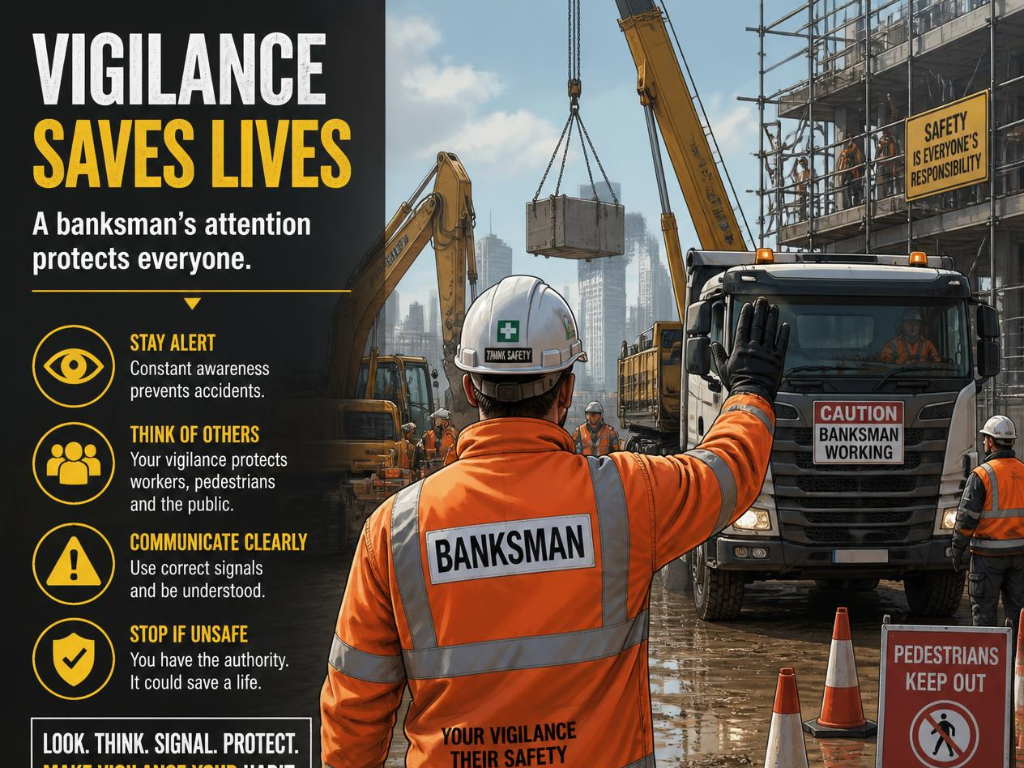
You might be wondering, what on earth is “CERT” ? Well, it’s short for Company Emergency Response Team – term coined by our very own Singapore Civil Defence Force (SCDF). To be honest, a lot of workplaces are required to have a CERT team on site and at the very least, at least one first aider on payroll.
So, when we talk about a “CERT first aider course“, we’re really referring to a full-day training session accredited by SCDF (or in some cases, by a reputable training provider who is closely overseeing the course by SCDF’s guidelines) that throws in both basic first aid and CPR+AED know-how along with workplace emergency response skills.
Once you’ve completed the course, you’ll get a certification that’s usually up for renewal every 2 years.
What You Learn in a CERT First Aider Course

First Aid for Common Workplace Injuries
A CERT first aider will be trained to handle everyday emergencies: cuts, burns, fractures, sprains, bleeding, shock, and other injuries that may occur in offices, factories, or construction sites. This aligns with the expectations under workplace safety regulations.
The training typically includes management of wounds, immobilisation of fractures or dislocations, treatment for burns, and handling of unconscious casualties when immediate help is needed.
CPR and AED Usage for Cardiac Emergencies
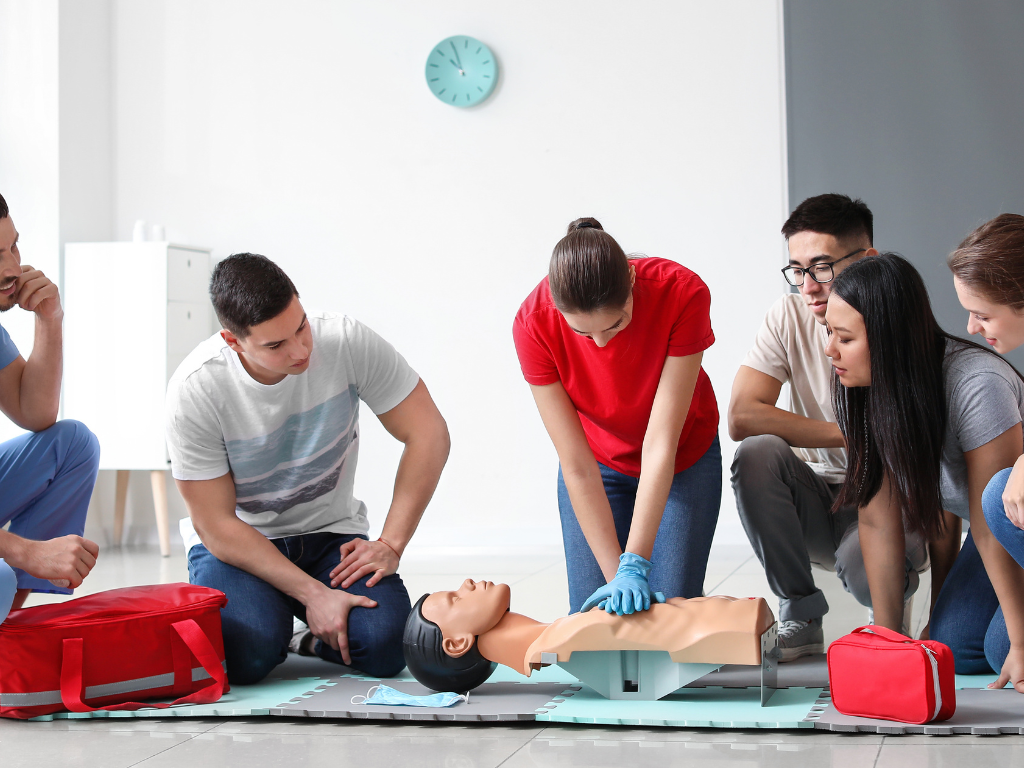
Because medical emergencies, including cardiac arrest, can strike anywhere, even at work, the course always covers cardiopulmonary resuscitation (CPR) plus automated external defibrillator (AED) use. This makes sure CERT first aiders can act within the vital first minutes before professional help arrives.
Participants learn when to start CPR, how to maintain chest compressions effectively, and how to correctly apply AED pads and deliver shocks if advised, following standard safety and rescue protocols.
Handling Breathing Issues and Airway Emergencies
The course also covers breathing difficulties, choking, and airway obstruction, key components of a first aider’s role. This ensures response capability beyond trauma injuries, extending to medical emergencies such as choking or asthmatic episodes.
Basic Medical Triage and Emergency Coordination
CERT training emphasises not just first aid actions but also safe and structured emergency management at workplace incidents. That includes assessing hazards, applying scene-safety protocols, calling emergency services, administering first aid, and managing casualties until help arrives.
Because of the potential complexity of workplace emergencies, such as fires, chemical exposure, falls, or collapses, CERT first aiders often operate as part of the broader emergency response team in the company.
Course Format, Assessment, and Certification Validity
Typical Course Structure
Most providers offer a one-day classroom-based course for CERT first aid (around 8 to 9 hours, including theory and practical components). At the end of the day, participants undergo both a written (often MCQ) test and a practical competency assessment.
Some providers may offer blended or flexible formats, but all modules must include hands-on practical sessions and skill demonstrations.
Certification and Validity Period
Upon successful assessment, participants receive a certificate typically valid for two years. Refresher training may be required periodically to maintain validity.
This matches the standard recertification cycle for first aid and CPR in Singapore, ensuring responders stay updated with the latest guidelines and techniques.
Why Many Workplaces Now Make CERT First Aider Training Compulsory
Meets Regulatory & Safety Obligations
Workplaces in Singapore are subject to regulatory frameworks such as the Workplace Safety and Health Act (WSHA), which requires employers to provide reasonably practicable measures to protect workers’ health and safety.
By equipping staff with CERT first aid skills, companies meet part of their legal and moral obligation to ensure readiness for emergencies.
Reduces Risk, Liability, and Response Time
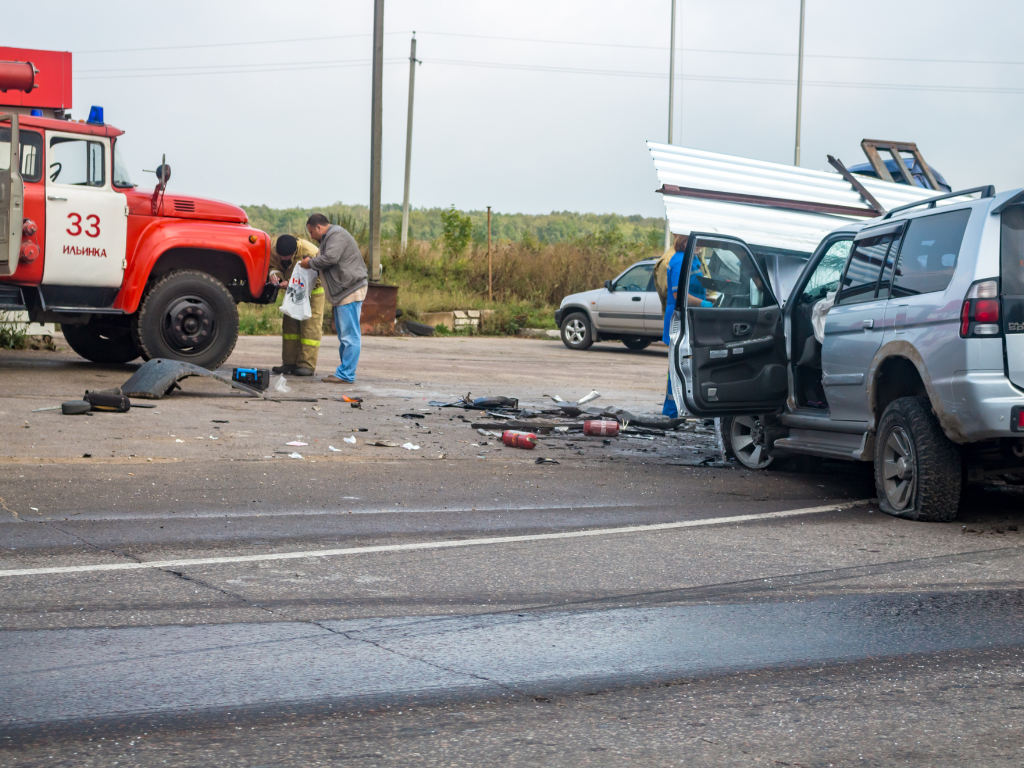
In a medical emergency or accident, waiting for external medical help may cost precious minutes. Having trained CERT first aiders on-site improves chances of stabilising casualties, reducing injury severity, and possibly saving lives.
For cases such as cardiac arrest, the presence of responders trained in CPR + AED is especially critical. Studies and field data continue to confirm that prompt CPR plus early defibrillation significantly increase survival odds. Organisations such as SCDF promote early responder training under the Save-A-Life initiative.
Supports Comprehensive Emergency Preparedness
Workplace risks vary: you may have industrial hazards, fire risks, falls, machinery accidents, or sudden medical events. A CERT first aider is trained to respond across a broad scope — from fractures and burns to choking and cardiac arrest.
For companies with higher-risk operations or large headcounts, having a trained internal response team reduces reliance on external emergency services and builds a stronger culture of safety readiness.
Who Should Enrol for a CERT First Aider Course
CERT first aider training is particularly relevant for:
- Employees appointed as part of a Company Emergency Response Team (CERT) under SCDF regulations or corporate safety policy.
- Safety officers, facility managers, operations staff in sectors such as manufacturing, logistics, construction, facilities management, retail, and hospitality.
- Security personnel and reception staff, especially in public-facing workplaces, malls, or estates.
- Office administrators or HR managers in offices with large staff strength need first-aid coverage.
- Small/medium enterprises that want to build internal emergency response capacity rather than rely solely on external responders.
- Anyone interested in workplace safety preparedness, even if not mandated, having CERT first aid training is a valuable skill set for individual readiness.
As long as the chosen training provider is SCDF-recognised and certifies compliance with first-aid standards, even small businesses can benefit from this course.
How CERT First Aider Training Fits Into Broader First Aid & Workplace Safety Frameworks
Certified first aid is just one of the many first aid training options in Singapore. While others include Standard First Aid, Occupational First Aid, Child First Aid, and there are even more specialized programmes to choose from.
Standard First Aid is a pretty general course, best suited for your average everyday or community setting. On the other hand, Occupational First Aid tends to be more focused on the dangers of industries (like chemical incidents or operating heavy machinery).
CERT’s First Aider course manages to bridge that gap between general first aid & workplace safety needs – it finds a balance between all the different things that can go wrong (injuries, medical emergencies etc) and the realities of the corporate world.
This layered safety training approach actually aligns with what most workplaces are expected to do in terms of managing risk – under the Workplace Safety and Health Act to be precise. It also helps organisations build up a real culture of safety within the workplace (as opposed to just relying on external medical help when something goes wrong).
Employers can also tie first aid training into a load of other safety programmes too – things like fire drills, evacuation plans, hazard assessments and so on – to build a full-on emergency response framework that works for everyone.
What to Check Before Booking a CERT First Aider Course in Singapore
If you’re about to sign up yourself or your staff for a first aider course, there are a few things to get sorted out to make sure you’re getting a quality course that will meet your needs:
- Ensure the training provider is recognised by SCDF and issues valid first aider certification (valid for 2 years).
- Confirm the course covers CPR + AED, basic first aid, breathing issues, injury management, and includes a practical skills assessment.
- Confirm training includes adult CPR, injury care, casualty assessment, AED operation, and scenario-based drills for workplace emergencies.
- Ensure class size and trainer-to-trainee ratio allow for hands-on practice (usually small groups for practical skills).
- If your workplace is under Ministry of Manpower (MOM) supervision or higher-risk operations, consider combining CERT first aid with broader Occupational First Aid or Workplace Safety Management training to meet compliance.
Before scheduling, discuss with HR or safety officers to understand funding support (e.g., SkillsFuture credits, company sponsorship) if applicable.
Conclusion
CERT first aider training in Singapore offers more than just a first aid certificate. It gives organisations and individuals a vital tool for emergency readiness. From managing workplace accidents to responding to cardiac arrest, a trained first aider can bridge the gap between incident and professional medical care, often saving lives.
If you value safety, preparedness, and compliance, this course isn’t optional; it’s an essential investment in human capital and workplace resilience.
FAQs About the CERT First Aider Course Singapore
What does a CERT first aider course cover?
A CERT first aider course teaches basic first aid for injuries (cuts, burns, fractures), breathing emergencies, choking, and critical skills such as CPR and AED use, along with casualty assessment and incident response under SCDF standards.
Who needs to complete a CERT first aider course in Singapore?
Typically, employees appointed as members of a workplace’s Company Emergency Response Team (CERT), safety officers, security staff, facility managers, and organisations that want a reliable internal first response capability.
How long is the certification valid after a CERT first aider course?
The certificate is usually valid for two years. After that, you should take a refresher course to renew your competency and maintain compliance.
Is a CERT first aider course different from Standard First Aid?
Yes. Standard First Aid covers general emergencies and basic CPR/AED for public or community settings, while a CERT first aider course is tailored to workplace emergencies and often includes a broader scope suitable for corporate environments.
Can a person with no prior first aid experience attend a CERT first aider course?
Yes. Most CERT first aider courses accept beginners. The training and assessments are designed to build competence from foundational first aid knowledge to practical emergency response.