- 20 Jul 2026
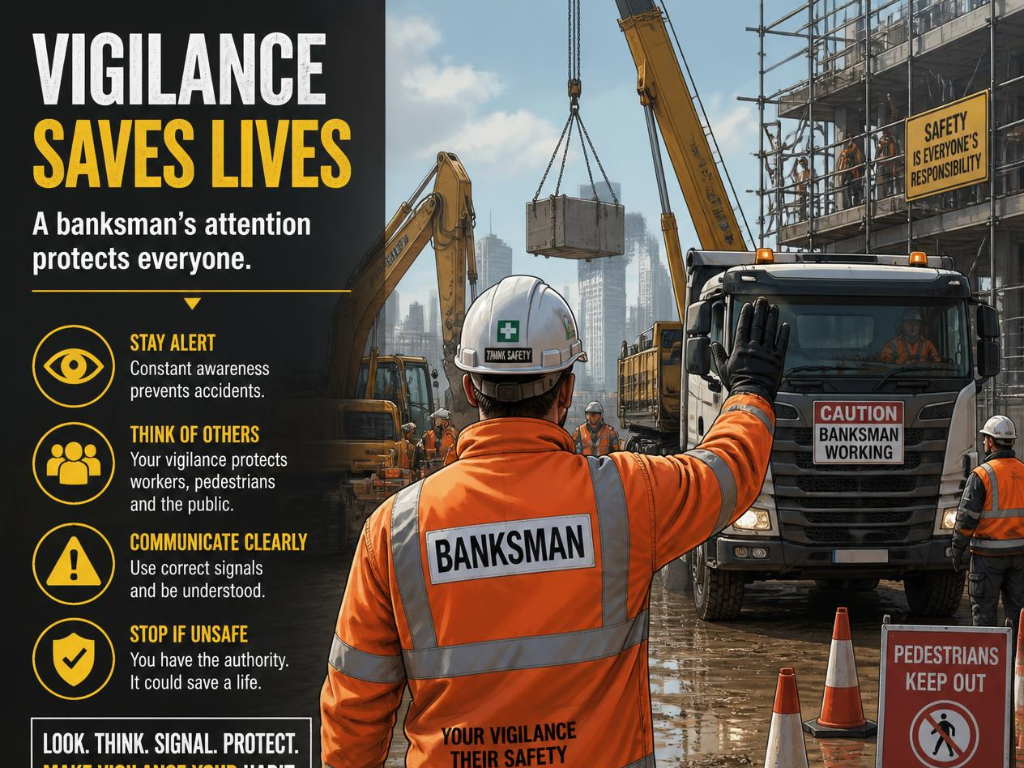
The WSH Council vehicular safety advisory published on 12 June 2026 sets out seven risk controls for protecting banksmen and traffic controllers, following four fatalities between 2022 and 2025. Vehicular incidents were the leading cause of workplace deaths in 2025, 15 of 36 reported by MOM. This blog walks you through each control and how to implement it, with traffic control manager training anchoring the supervision layer.
What is the WSH Council advisory on protecting banksmen and traffic controllers?
It is a guidance publication titled “Protecting Banksmen and Traffic Controllers,” issued by the Workplace Safety and Health Council on 12 June 2026 and circulated through the WSH Bulletin of the same date. It names seven risk controls that occupiers and employers should adopt to protect workers directing vehicles and machinery.
The advisory is guidance, not new legislation. That distinction matters, and plenty of coverage gets it wrong. It does not create a fresh legal duty; the duty already exists under the WSH Act and the WSH (Risk Management) Regulations. What the advisory does is tell you what MOM and WSH Council consider reasonable practice for this specific hazard, which is exactly what an inspector or an investigator reads your site against after an incident. The Council’s framing is blunt: banksmen and traffic controllers work close to moving vehicles, reversing operations, and construction equipment, and serious or fatal accidents happen when they enter a danger zone. The advisory covers both roles together, though they sit under different regulators, a split worth understanding when deciding which role your site needs.
Which incidents prompted the advisory?
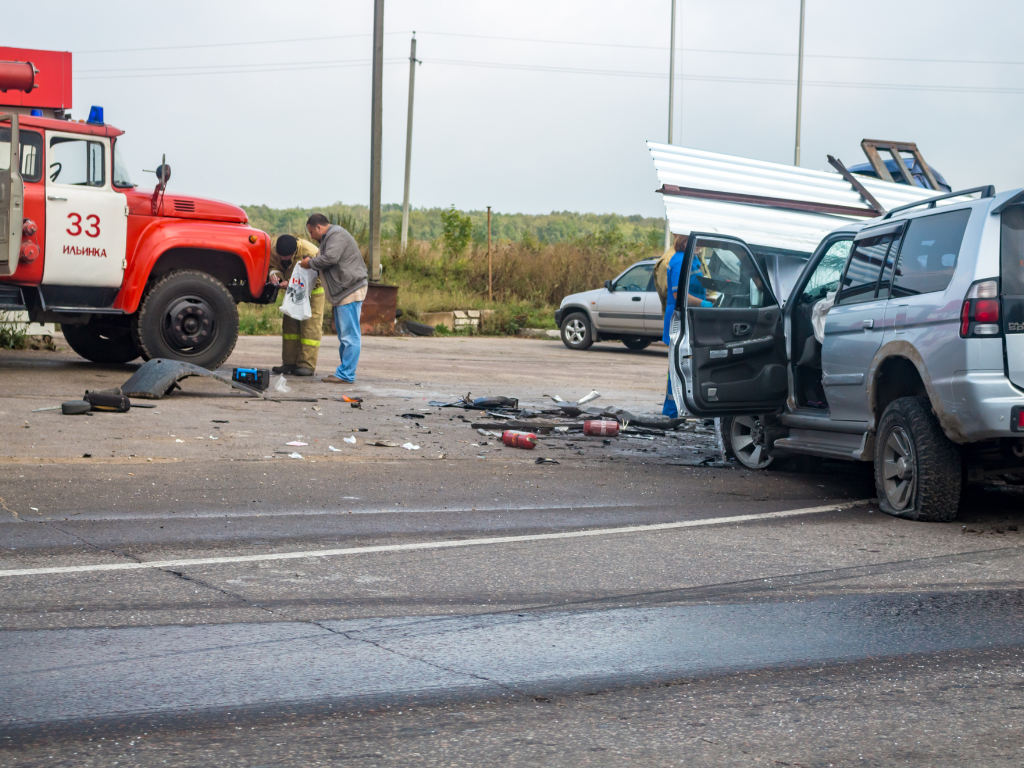
Four fatalities involving banksmen and traffic controllers between 2022 and 2025, plus a further incident in May 2026. Each one involved a worker who was inside the movement zone of a vehicle or machine when it moved.
The advisory lists them plainly. On 3 March 2025, a traffic control worker crossing a newly paved road behind a tire roller was struck and run over when it suddenly reversed. On 15 September 2023, a worker performing traffic control for expressway road works was struck when a motorcycle crashed into the work zone. On 16 August 2022, a traffic controller at a company’s main gate moved in front of a truck that suddenly moved forward. On 3 August 2022, a worker guiding a bus to reverse while standing beside a pillar was crushed against it when the driver moved the bus forward to reposition. On 14 May 2026, a construction worker carrying out banksman duties was struck by a falling concrete slab after entering a work zone where an excavator was operating.
Read them together and the pattern is not carelessness. It is proximity. In four of the five, the worker was in a place where a moving vehicle or machine could reach them, and one wrong movement by a driver closed the gap.

What are the seven controls WSH Council tells worksites to implement?
The advisory names seven controls, spanning planning, physical separation, equipment, training, behaviour, positioning, and technology. They are presented as examples for occupiers and employers to consider, not a compliance checkbox.
|
Control |
What it requires |
|
|
Traffic management plan (TMP) |
Identify traffic hazards; traffic signs and markings, road humps to cut speeding, mirrors for blind-spot checks, designated banksman positions |
|
|
Danger zone demarcation |
Clearly mark danger and exclusion zones around operating equipment; barriers to physically separate work zones |
|
|
Enhanced worker visibility |
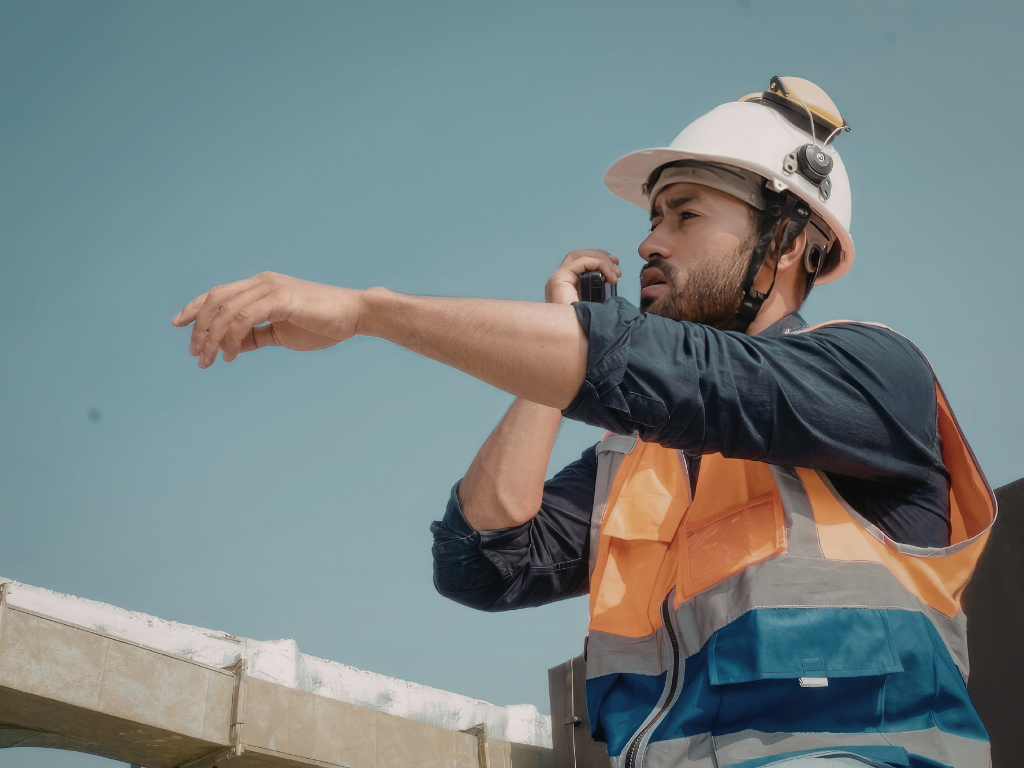
High-visibility reflective vests for every banksman and traffic controller; handheld flashing light sticks or batons recommended |
|
|
Worker training |
Train banksmen, traffic controllers, drivers and operators on hand signalling and light stick use; radio equipment where visual contact is impossible |
|
|
Increased situational awareness |
Raise hazards at daily toolbox meetings; remind drivers to check for workers before moving, including reversing |
|
|
Safe work position |
Never stand directly behind reversing vehicles, between vehicles and fixed objects, or in blind spots |
|
|
Use of technology |
Vehicle-mounted cameras, worker and obstacle detection systems, automated traffic management systems, traffic mannequins |
You can read the full WSH Council advisory in its published form. The seven are not equal in strength, which is the part the advisory leaves you to work out.
What does the traffic management plan and danger zone demarcation actually require?
These two controls do the heaviest lifting, because they remove the worker from the danger zone instead of protecting them inside it. A TMP identifies traffic hazards and builds the site around them. Demarcation defines the space nobody stands in.
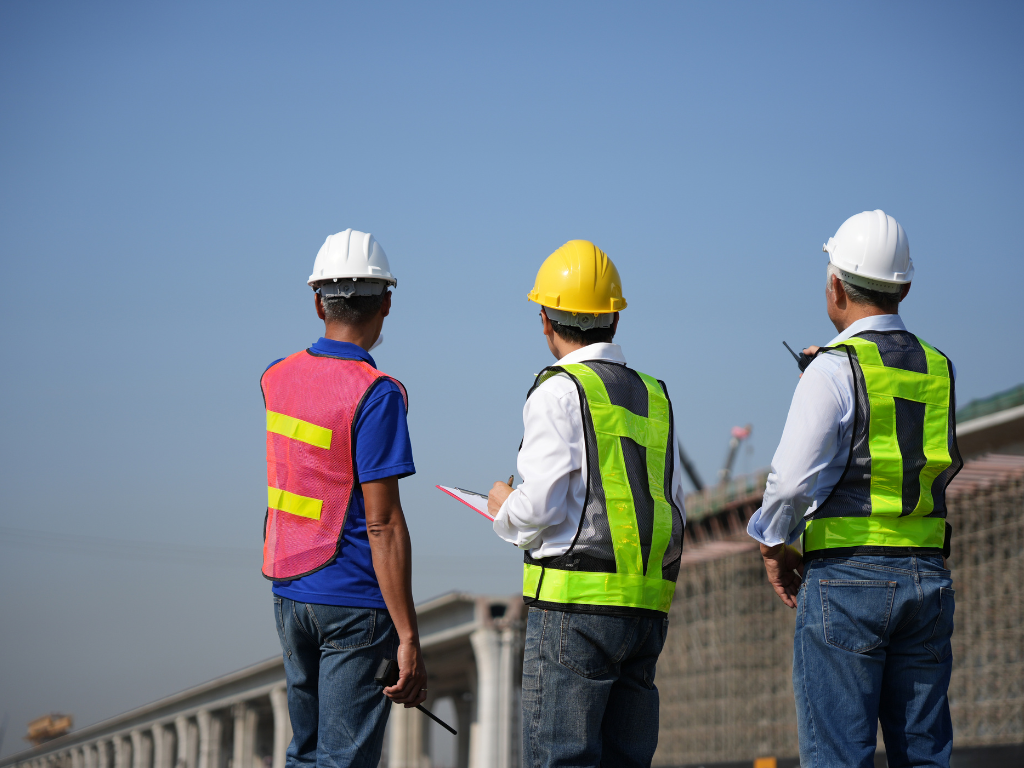
The TMP the Council describes is specific. It includes traffic signs and markings to control flow, road humps to reduce speeding, mirrors placed to let drivers check blind spots, and designated positions for banksmen and traffic controllers. That last item is the one most plans skip. A TMP that routes vehicles but never says where the banksman stands has left the highest-risk person to improvise. Demarcation goes further, marking danger and exclusion zones around operating equipment so unauthorised persons stay out, with physical barriers separating work zones. The Council’s instruction on this is unambiguous: banksmen and traffic controllers should not be entering a demarcated danger zone. Both controls are outputs of a proper worksite traffic risk assessment, which is where the hazards get identified in the first place.
What do visibility, training, and situational awareness require in practice?
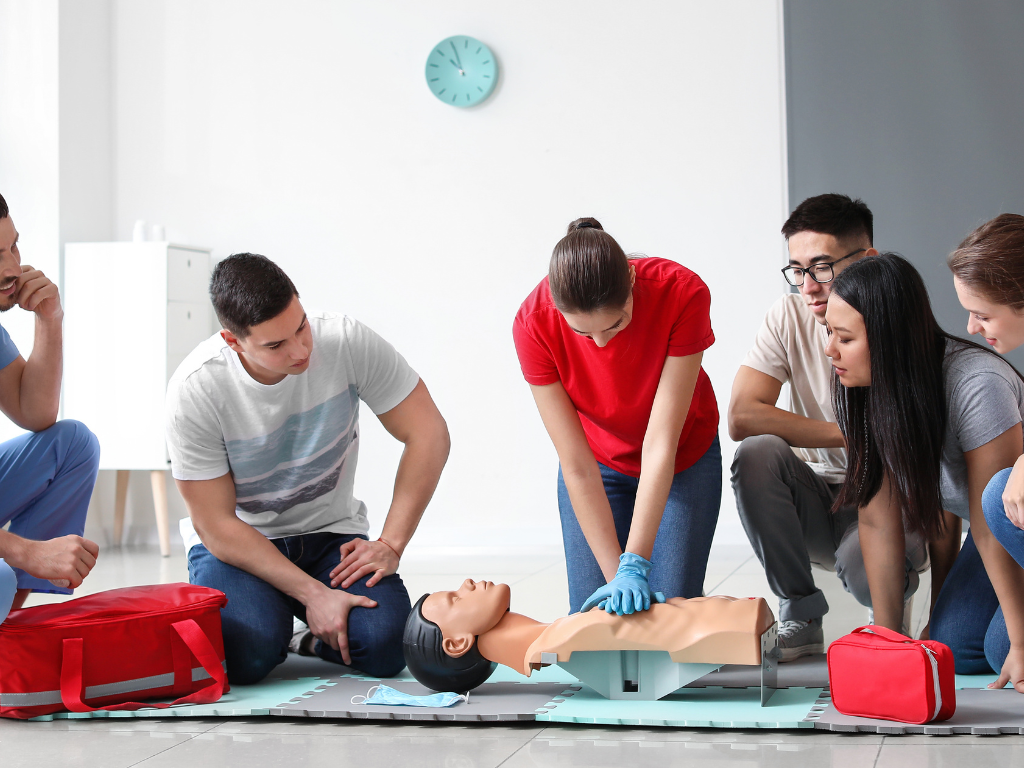
Visibility means a high-visibility reflective vest for every banksman and traffic controller, with handheld flashing light sticks or batons recommended on top. Training covers hand signalling and light stick use, and it extends to drivers and operators, not just the signaller. Situational awareness runs through daily toolbox meetings.
The training point is the one worksites underdo. The advisory is explicit that banksmen, traffic controllers, drivers and operators all need training on signalling, because a signal only works if the person receiving it reads it the same way. Miscommunication between a trained signaller and an untrained operator is a failure with two people in it. Where visual contact is impossible, the Council points to radio equipment such as walkie talkies. Getting the standard hand signalling system consistent across a crew is the practical foundation, and banksman safety certification delivers it in a half-day course at $120, with a certificate valid for 4 years. Situational awareness is the weakest of the three, because it depends on a tired worker remembering a briefing at 4pm. Useful as reinforcement. Never as your primary control.
Where should a banksman stand, and can technology take over?
Never directly behind a reversing vehicle, never between moving equipment and a fixed object, and never inside a blind spot. The banksman positions clear of the movement zone while keeping visual contact with the driver. Technology is the control that goes further, removing the need for a worker to be in the high-risk area at all.
The positioning rule reads like common sense until you match it against the incidents. The worker crushed against a pillar was standing between a bus and a fixed object. The traffic controller at the main gate had moved in front of the truck. These are the exact positions the advisory now names. WSH Council states the test in one line: “If the driver/operator cannot see the banksman/traffic controller, the banksman/traffic controller is not safe.” On technology, the Council points to vehicle-mounted cameras, worker and obstacle detection systems, automated traffic management systems, and traffic mannequins that take over traffic controller functions in high-risk areas. The mannequin is the clearest signal of intent in the whole document. Where the zone is dangerous enough, the Council would rather no human stood in it.
How do you turn the seven controls into a site plan?
Order them by how much exposure they remove, then implement top down. The advisory presents seven examples; it does not rank them, and a site that treats them as a flat checklist will buy vests before it fixes its layout.
The order that holds up in practice: demarcate the danger zones and build the TMP first, because those two remove the interaction. Deploy technology next where the zone stays dangerous, since detection systems and mannequins take the worker out of it. Fix positioning third, train signallers and operators fourth, issue high-visibility gear fifth, and run toolbox reminders as continuous reinforcement rather than as a control you rely on. Vests and briefings sit at the bottom for a reason. They make a worker easier to see and more alert; they do not make the worker unreachable. The WSH Council’s broader workplace traffic safety guidance follows the same logic, directing sites to segregate pedestrians from vehicles and control reversing before falling back on PPE. If your site has banksmen working without demarcated zones or a TMP that names their position, build the controls into your site before the next mobilisation.
The advisory names the zone. Your job is to keep people out of it.
Every fatality in the WSH Council’s list ends the same way: a worker was standing where a vehicle could reach them. The seven controls exist to close that gap, and the strongest of them are the ones that remove the worker from the zone rather than dress them in something brighter. Demarcation and a real traffic management plan come first. Technology follows. Vests and reminders are the backstop, not the plan.
Walk your site against the seven controls this week, starting with whether a danger zone is marked and whether your TMP names where the banksman stands.
FAQs About Wsh Council Vehicular Safety Advisory
Is the WSH Council vehicular safety advisory legally binding?
The advisory is guidance, not legislation. It does not create a new legal duty, because employers already carry one under the WSH Act and the WSH (Risk Management) Regulations. Its weight is practical: MOM and WSH Council treat the seven controls as reasonable practice, and an investigator will read your site against them after an incident.
What counts as a danger zone or exclusion zone on a worksite?
A danger zone is the area around operating equipment or a moving vehicle where a worker can be struck or crushed. WSH Council’s June 2026 advisory directs sites to demarcate these zones clearly, use physical barriers to separate work areas, and keep unauthorised persons out. Banksmen and traffic controllers should not be entering them.
Do banksmen need certification under the advisory?
The advisory calls for training on hand signalling and light stick use, covering banksmen, traffic controllers, drivers and operators. Advanced Safe Consultants’ Vehicle & Machinery Banksman Safety Course is a half-day programme at $120, certifying competency for 4 years, and it covers the signalling and positioning the advisory names.
Can cameras and detection systems replace a banksman?
Technology reduces the need for workers to be in high-risk areas, and WSH Council explicitly recommends vehicle-mounted cameras, obstacle detection systems, and traffic mannequins for that purpose. Where a competent banksman is still directing the manoeuvre, the equipment supports them. The Council’s test stands: if the operator cannot see the banksman, the banksman is not safe.