- 08 Jan 2026

First aid planning in Singapore is no longer about ticking boxes or sending staff for a first aid course Singapore once every few years. This blog will walk you through how companies should plan first aid coverage in 2026 with real operational readiness, risk logic, and workforce realities in mind.
Why First Aid Planning Is Changing in 2026

Compliance is no longer the hardest part
Most HR and operations teams already know the legal baseline. What is shifting is expectation. Regulators, insurers, and even employees now look at first aid readiness as a capability, not a certificate.
In recent years, investigations into workplace incidents have shown a clear pattern. Injuries are rarely worsened because no one attended a course. They escalate because the wrong people were trained, coverage was uneven across shifts, or responders froze under pressure.
That gap is where modern workplace first aid planning Singapore must focus.
The Difference Between Certification and Coverage

Certification answers “who attended”
Coverage answers “who can respond”
A first aid certificate proves attendance and assessment on a given day. First aid coverage planning looks at response ability across time, location, and risk.
Coverage planning asks harder questions:
- Who is present during night shifts?
- What happens when the trained person is on leave?
- Can responders reach an incident within minutes, not floors?
This is why many safety managers in Singapore are rethinking how they deploy trained personnel rather than simply increasing headcount.
Risk-Based First Aid Planning Is Now the Standard
Generic ratios no longer work
Old models relied heavily on fixed ratios, such as one trained first aider per number of employees. That logic fails in modern workplaces with hybrid shifts, distributed sites, and higher-risk operational zones.
Risk-based planning evaluates:
- Task exposure rather than job titles
- Equipment and machinery interaction
- Environmental factors such as heat, chemicals, or confined spaces
For higher-risk environments, companies often pair risk assessments with targeted programmes such as occupational first aid training for industrial and operational settings rather than relying on generic certification.
What Real First Aid Coverage Planning Looks Like
Mapping response capability, not just names
A practical first aid coverage plan includes a live map of where trained responders are positioned during each shift. This often reveals blind spots companies never noticed.
For example:
- Two trained staff on the same floor
- Zero coverage in loading bays
- No trained personnel after 6 pm
These are not training problems. They are planning failures.
First Aid Planning Must Follow How Work Is Actually Done
Job scopes have changed
In 2026, many Singapore workplaces operate with leaner teams, more automation, and broader individual responsibilities. This increases risk exposure for staff who were previously considered low-risk.
Office-based roles now involve:
- Manual handling during reconfiguration
- Emergency response during reduced staffing hours
- Managing visitors without dedicated safety personnel
This is why first aid coverage planning must sit alongside broader workplace emergency readiness, not in isolation.
Training Depth Matters More Than Training Volume
One-size training no longer fits all
Sending everyone for the same course creates surface-level familiarity but weak response under stress.
Effective organisations now tier their training:
- Core responders trained for trauma and medical emergencies
- Secondary responders trained for stabilisation and escalation
- General staff trained for recognition and reporting
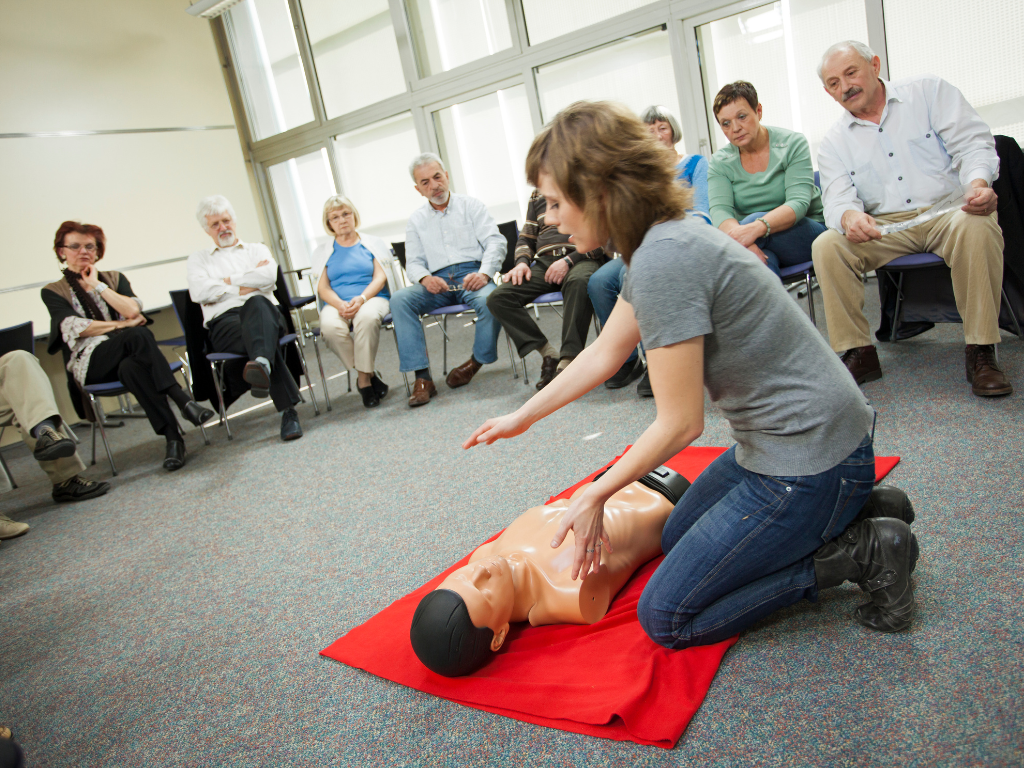
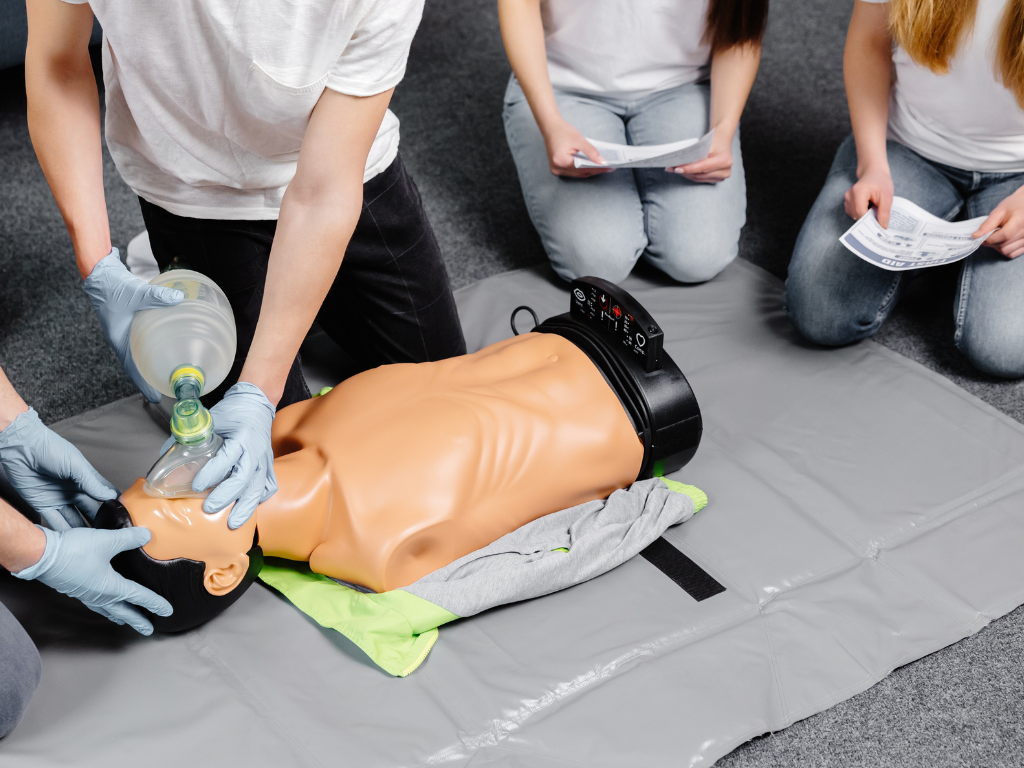
For core responders, some companies prefer advanced skill paths such as the Standard First Aid (NROC) Course, which builds beyond basic theory into guided scenario application.
First Responder Coverage Is a Leadership Decision
This is not an admin task
First aid readiness directly affects:
- Downtime after incidents
- Injury severity outcomes
- Legal exposure during investigations
When senior management treats first aid planning as a procurement task, coverage gaps appear. When leaders treat it as a safety capability, planning becomes proactive.
Many companies now integrate first responder coverage into broader safety capability planning, alongside fire wardens and evacuation marshals.
How 2026 Planning Differs From Previous Years
More scrutiny, less tolerance
Post-incident reviews increasingly examine:
- Time to first response
- Appropriateness of action taken
- Whether training matched the incident type
This is why companies are moving beyond minimum course attendance toward scenario-driven planning.
External guidance from organisations such as the Singapore Civil Defence Force reinforces the importance of immediate on-site response before professional help arrives, especially in cardiac or trauma cases.
First Aid Planning for Multi-Site and Shift-Based Operations
Distributed risk needs distributed capability
Warehouses, retail chains, and construction projects face a unique challenge. Centralised training records do not translate into site-level readiness.
Effective companies:
- Assign site-specific first aid leads
- Adjust coverage based on daily headcount
- Review responder availability weekly, not annually
This operational rhythm is far more effective than reacting during audits.
The Role of Refresher Training and Skill Decay
Skills fade faster than certificates expire
First aid skills are perishable. Without regular practice, response confidence drops sharply.
Research published by the International Red Cross shows that practical response effectiveness declines significantly within 12 months without reinforcement.
This is why progressive organisations schedule short, scenario-based refreshers rather than waiting for full recertification cycles.
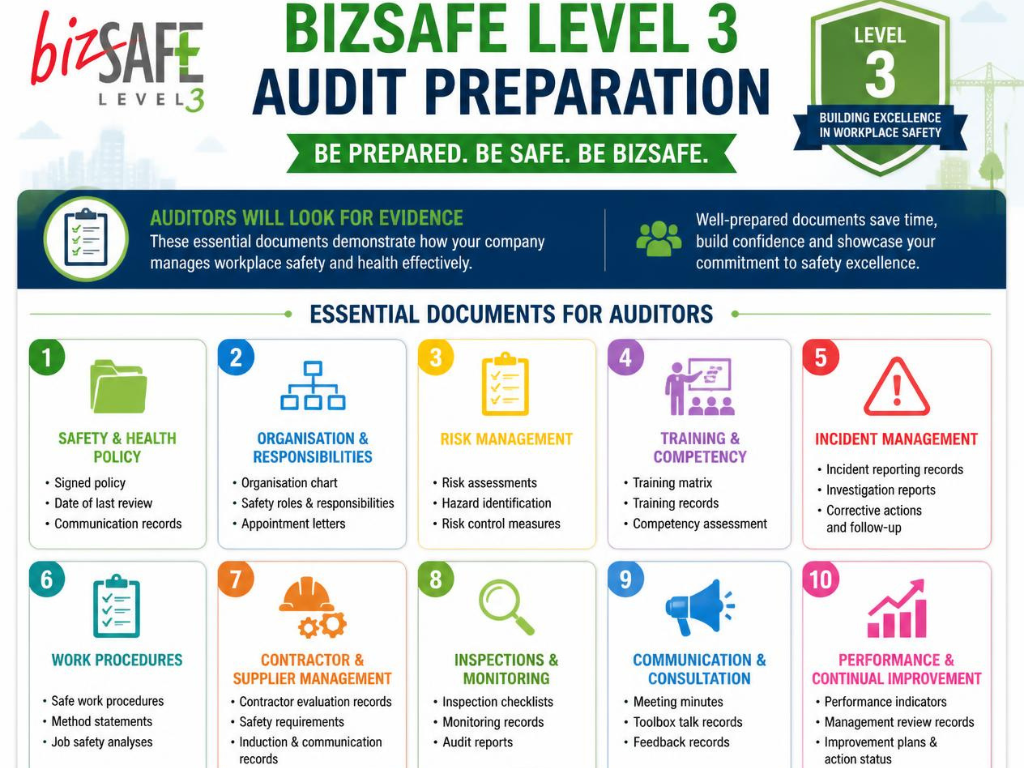
Linking First Aid Coverage to WSH Outcomes
Preparedness reduces incident severity
Workplace injury data consistently shows that early, competent intervention:
- Reduces hospitalisation time
- Lowers compensation costs
- Improves employee trust
This is where WSH preparedness becomes a measurable business advantage rather than a compliance expense.
Safety managers who align first aid planning with incident trends see clearer ROI than those focused solely on audit readiness.
Common Planning Mistakes Companies Still Make
Training without deployment logic
The most frequent errors seen in 2025 audits include:
- Trained staff assigned to non-operational roles
- No coverage during peak risk periods
- First aid kits without trained users nearby
These issues persist because companies focus on course completion rather than coverage effectiveness.
How to Build a First Aid Coverage Plan That Holds Up
Start with real questions
Ask:
- If an incident happens now, who responds?
- How long until help arrives?
- What happens if that person is absent?
Then align training, scheduling, and authority around those answers.
Conclusion
First aid planning in 2026 is about readiness, not records. If your organisation still measures success by certificates alone, you are exposed. Build coverage that reflects real work conditions, real risks, and real response time. If you want first aid capability that stands up under pressure, start by reviewing your coverage model today and align your training strategy with how your people actually work.
If you want first aid capability that stands up under pressure. Visit Advanced Safe Consultants to assess your first aid strategy and take the next step toward real preparedness before an incident puts your planning to the test.
Frequently Asked Questions
How many first aiders does a Singapore workplace really need?
There is no universal number. The right coverage depends on risk exposure, shift patterns, and site layout, not headcount alone. Guidance from the Ministry of Manpower supports risk-based assessment.
Does first aid training need to match industry risks?
Yes. Generic training often fails in high-risk environments. Risk-aligned training improves response speed and decision quality, especially in manufacturing and logistics settings.
How often should first aid skills be refreshed?
Practical refreshers every 6 to 12 months are recommended, even if certification remains valid. This maintains confidence and muscle memory.
Is first aid planning part of WSH audits?
Increasingly yes. Auditors now review response capability, not just certificates, especially after incidents.