- 18 Dec 2025
Learning how to respond in a cardiac emergency can literally be the difference between life and death, and a BCLS AED course in Singapore will get you that skill. This blog’s going to walk you through what really happens in class, what your instructors will be looking for, and how the training fits in with the national standards.
In the first section , you’ll also find a link to check out other first aid courses that are relevant to people who respond in the workplace and in the community.
Why BCLS + AED Training Really Matters In Singapore’s Safety Landscape for 2025

Cardiac emergencies are still behind a lot of sudden collapses in Singapore, and whether or not someone survives often comes down to how quickly they get CPR and a defibrillator. The BCLS AED course follows the national guidelines set by Singapore’s Resuscitation and First Aid Council (SRFAC) for Basic Cardiac Life Support and Automated External Defibrillator use – the exact same guidelines the professionals use.
Lots of people take BCLS AED certification because they need it for work, or because they work in healthcare, or just because they want to be ready in case a family member collapses. If you’re trying to figure out your training pathway, then it helps to get a sense of how this course fits in with the other first aid courses in Singapore that you can get from accredited providers.
How the BCLS + AED Course Is Actually Structured

The structure might be a bit different with different training providers, but most classes that are SRFAC-accredited follow a pretty consistent format. The aim is to build confidence by doing a lot of practice rather than just trying to remember what to do.
1. Getting A Grip On Cardiac Emergencies
You start by learning about how cardiac arrest happens, what the difference is between that and a heart attack, and why getting CPR going straight away is so important. Your instructor will explain the chain of survival, when you need to respond and what the latest guidelines on CPR are based on.
Did you know that according to the Singapore Heart Foundation’s CPR guidelines, doing those first few chest compressions by yourself can actually more than double the chances of survival? That’s right – every minute counts when it comes to CPR.
The theory section will also cover some key things like:
- The SRFAC guidelines
• How automated external defibrillators work
• What the stats are for out-of-hospital cardiac arrests
• What your responsibilities are as a first responder
This section will give you a good foundation to build from before you get into the practical skills portion of the course.
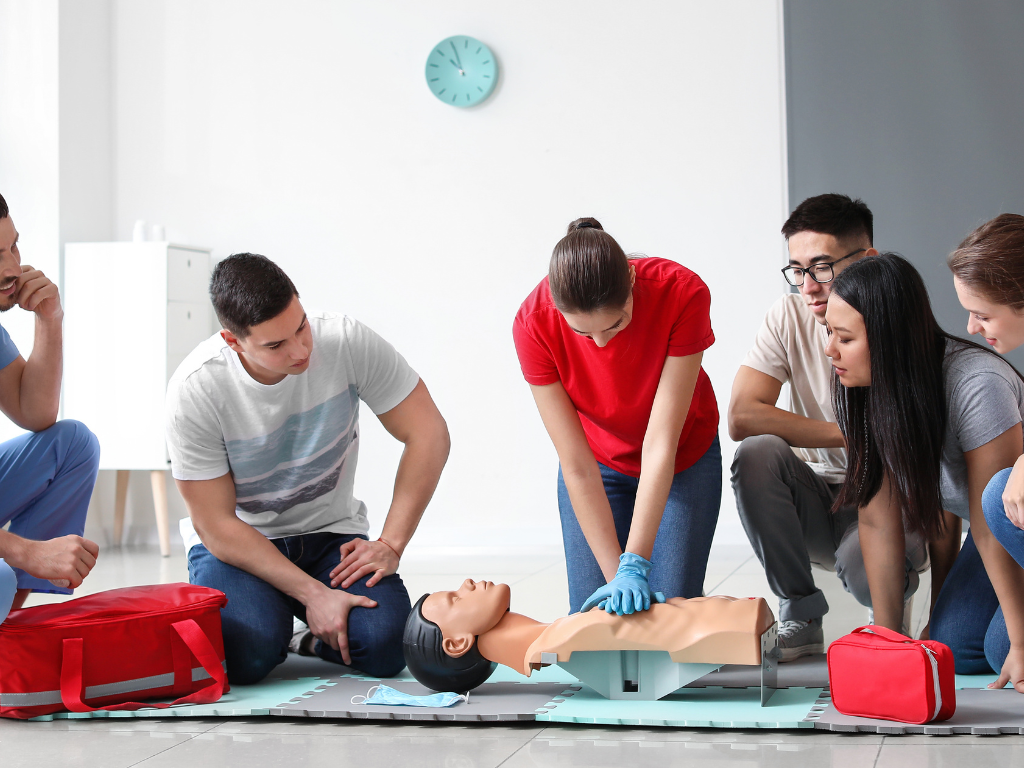
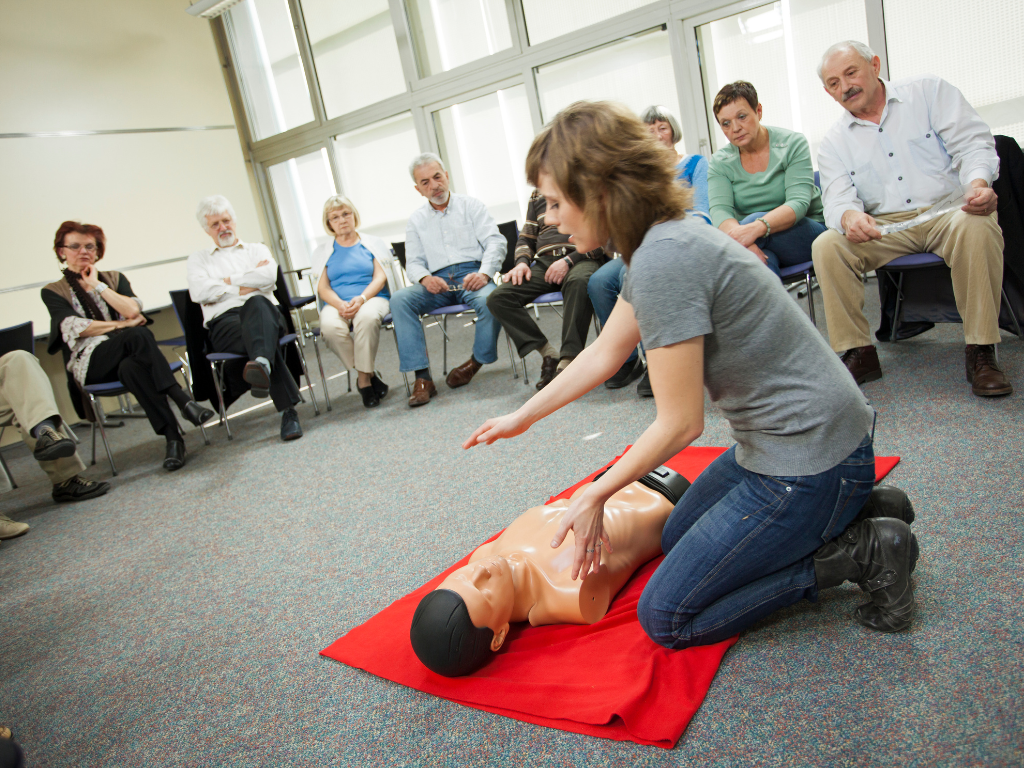
2. Hands-On CPR Practice Using Feedback Manikins
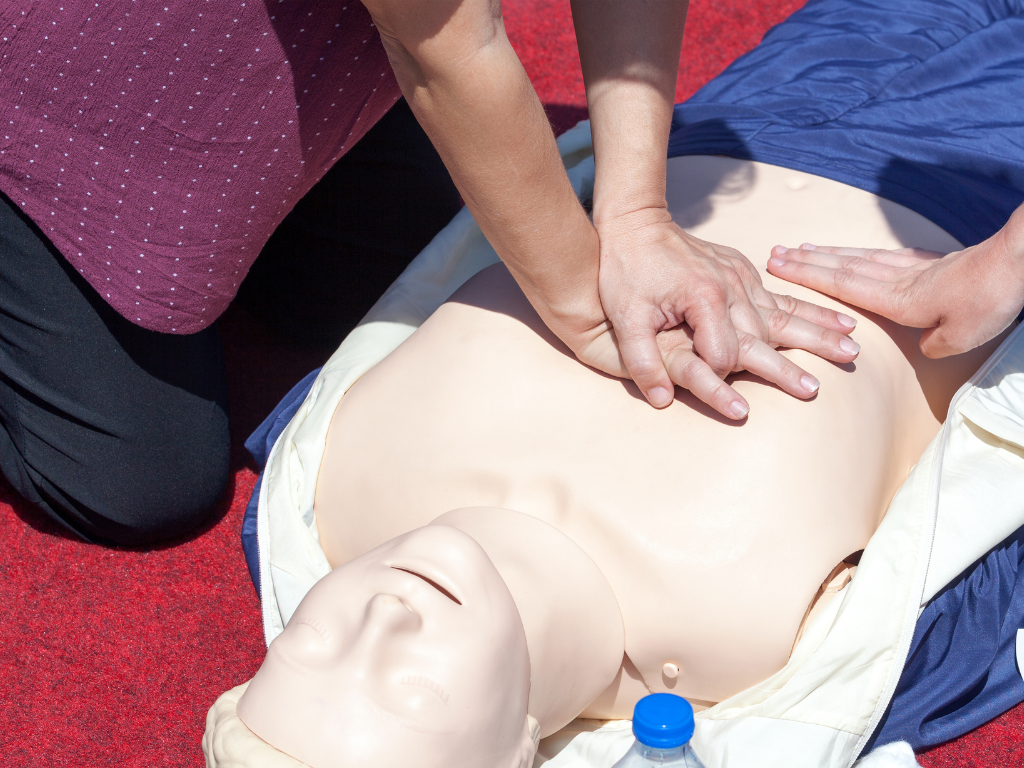
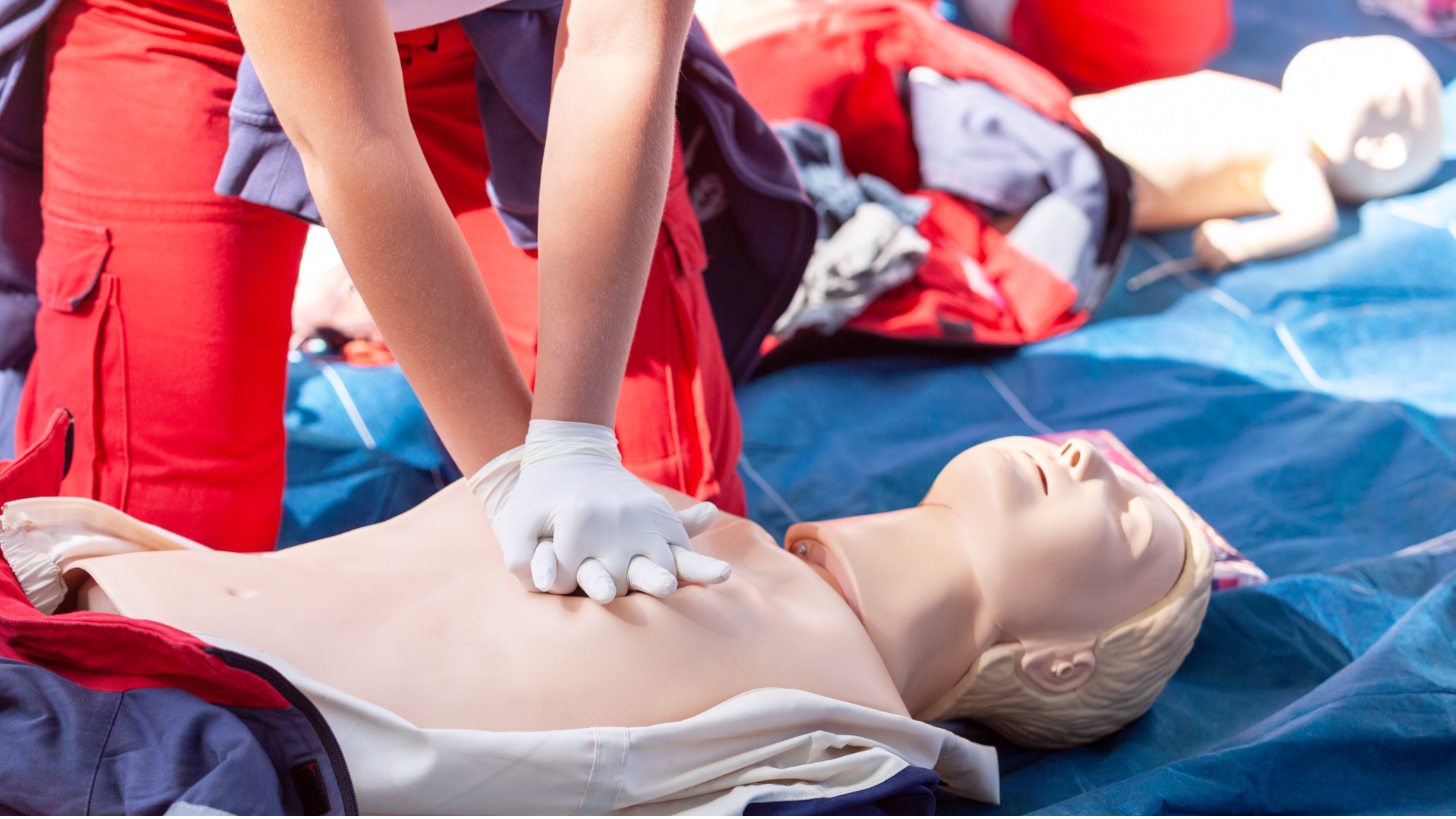
Practical CPR is the centrepiece of every BCLS AED course in Singapore. Learners work with manikins equipped with electronic depth and recoil sensors. These tools correct form in real time, so you know if compressions are too shallow or inconsistent.
Instructors guide participants to achieve:
- Correct hand placement
• Compression depth
• Full chest recoil
• A steady rhythm that meets SRFAC benchmarks
This portion emphasises muscle memory. Several rounds of practice ensure that even beginners develop a reliable technique.
3. AED Operation and Realistic Scenario Drills
The AED module teaches participants how to assess an unresponsive casualty, deliver early shock, and follow visual and audio prompts from the device. Modern AEDs used in courses mirror those found in MRT stations, malls and commercial buildings.
Learners practise:
- Safe pad placement
• Recognising shockable rhythms
• Restarting compressions promptly
• Coordinating actions with a partner
A study published by the National Library of Medicine on AED deployment highlights that public access defibrillators significantly improve survival rates when used within the first few minutes of a collapse.
Realistic drills often recreate scenarios such as collapses at a workplace pantry or in a car park. These exercises teach learners how to manage bystanders, request help and maintain scene safety.
4. Rescue Breathing and Airway Management
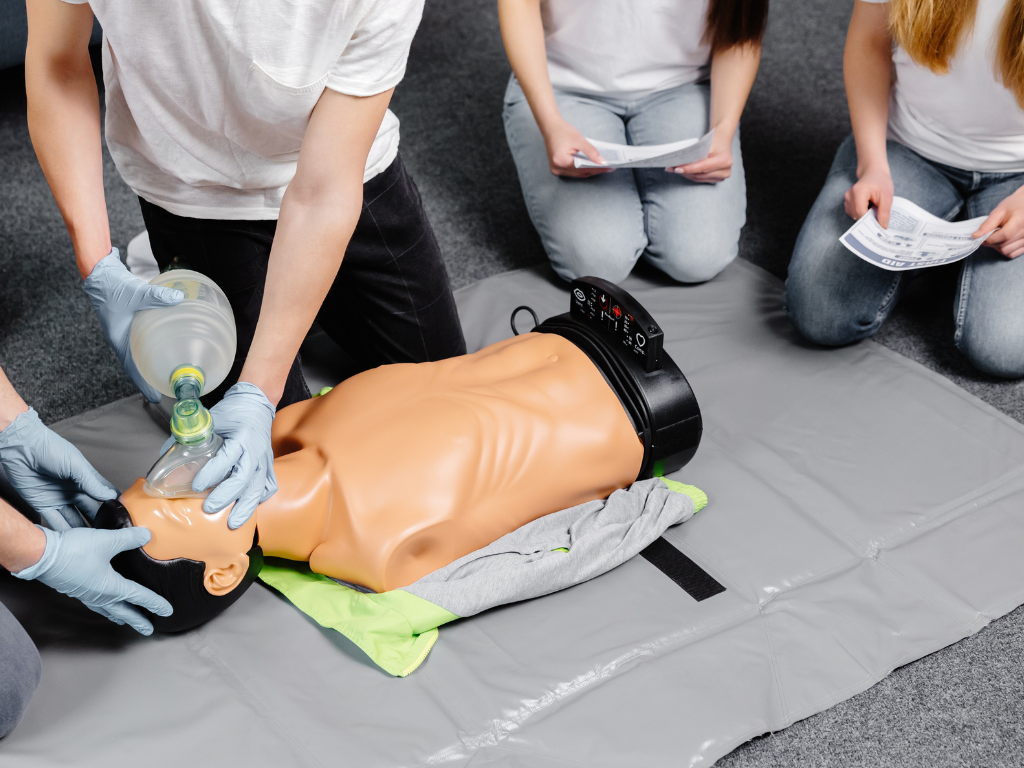
Although the focus is on compression-dominant CPR, BCLS assessment still includes ventilation skills using pocket masks. You will practise opening the airway with the head tilt chin lift method and delivering controlled breaths while observing chest rise.
This portion is useful for those who work with vulnerable populations such as paediatric patients, the elderly or individuals with respiratory conditions.
What Assessment Looks Like in a BCLS + AED Course
Many learners feel nervous about assessment, but instructors design it to mirror real-world rhythm rather than test memorisation. The goal is to confirm that you can recognise an emergency and perform the core sequence with confidence.
Assessment Components
Practical CPR Test
A timed scenario where you demonstrate effective compressions on an adult manikin while maintaining correct depth and cadence.
AED Application Test
Learners must operate the device safely, follow prompts and resume compressions without unnecessary delay.
Airway and Ventilation Skills
This segment confirms that you can perform basic airway opening and deliver breaths using a barrier device.
Some training centres also include a short written quiz to reinforce theory concepts.
Course Duration and Training Requirements in 2025
Most BCLS AED courses run for about 4 to 6 hours. Refresher classes may take slightly less time if you already hold a valid certification.
To pass, learners are required to:
- Complete all practical components
• Meet SRFAC performance criteria on CPR
• Demonstrate safe AED competency
Certification is generally valid for two years. Healthcare professionals must ensure their certificates remain current according to institutional policy.
The American Heart Association highlights that CPR skills degrade significantly after one year without practice, which is why regular refreshers are essential.
Equipment and Learning Tools Used in Training
A good BCLS AED course integrates realistic equipment to simulate actual emergencies. You can expect the following tools during practice:
- AED trainers that match commonly deployed models in Singapore
• Adult CPR manikins with feedback devices
• Barrier devices for rescue breathing
• Simulated gloves and first aid materials
• Scenario cards for team drills
By the end of the course, learners understand both the mechanics and emotions that accompany a real collapse situation.
How BCLS AED Fits Into the Broader First Responder Training Pathway
For many Singaporeans, BCLS AED certification is the first step toward either community volunteer roles or more advanced professional training.
You might progress into:
- Standard First Aid for workplace response teams
• Child First Aid for ECDA-mandated environments
• Occupational first aid for safety-critical industries
Learners who eventually take on larger workplace safety roles often continue with Occupational First Aid certification, which expands into trauma and environmental emergencies.
Each course builds on another, forming a structured competency ladder aligned with national requirements.
Choosing a Training Provider for BCLS + AED Certification
When comparing courses, consider national accreditation, trainer experience and class size. SRFAC accreditation ensures the curriculum meets current standards. Experienced instructors often draw from actual emergency response work, giving their teaching practical relevance.
Learners should also consider:
- Availability of weekday or weekend schedules
• Training location convenience
• Whether the provider offers integrated refresher pathways
• Quality of manikins and AED trainers
Reading real reviews helps clarify whether past learners felt confident after training.
Conclusion
A BCLS AED course in Singapore gives you a clear, structured, and confidence-building introduction to lifesaving skills. You learn how to act quickly during a cardiac emergency, use an AED properly, and work through real-life scenarios with guidance from trained instructors. Whether you are preparing for workplace requirements or simply want to be ready when it matters most, this certification builds practical readiness grounded in national standards.
FAQs About BCLS + AED Course Singapore
How long is the BCLS AED certificate valid?
In Singapore, most SRFAC-accredited BCLS AED certificates are valid for two years. Healthcare institutions often require staff to renew earlier as part of clinical governance.
Do I need prior experience before attending a BCLS course?
No experience is needed. Courses are designed for first-time learners and use feedback manikins so participants can build correct CPR habits from scratch.
Is BCLS AED different from Standard First Aid?
Yes. BCLS focuses on cardiac emergencies and AED use, while Standard First Aid covers trauma, bleeding control and other injuries. Both follow SRFAC guidelines but serve different responder roles.
Can teenagers attend the course?
Most providers allow learners aged thirteen and above as long as they can meet CPR strength requirements. Parents often register teens who volunteer in school safety programmes.
BCLS AED course Singapore. Why is AED training included in the BCLS curriculum?
SRFAC requires AED proficiency because early defibrillation significantly increases survival. Public access AEDs are widely available in Singapore, so responders must know how to use them confidently.