- 25 Jan 2026

Fire incidents linked to hot works rarely fail because equipment was missing. They fail because supervision and response were not fit for the risk. A fire watchman course Singapore exists for this exact reason. This blog will walk you through when fire watch is required for hot works in Singapore, what the role actually involves, and how the right training protects people, property, and compliance outcomes.
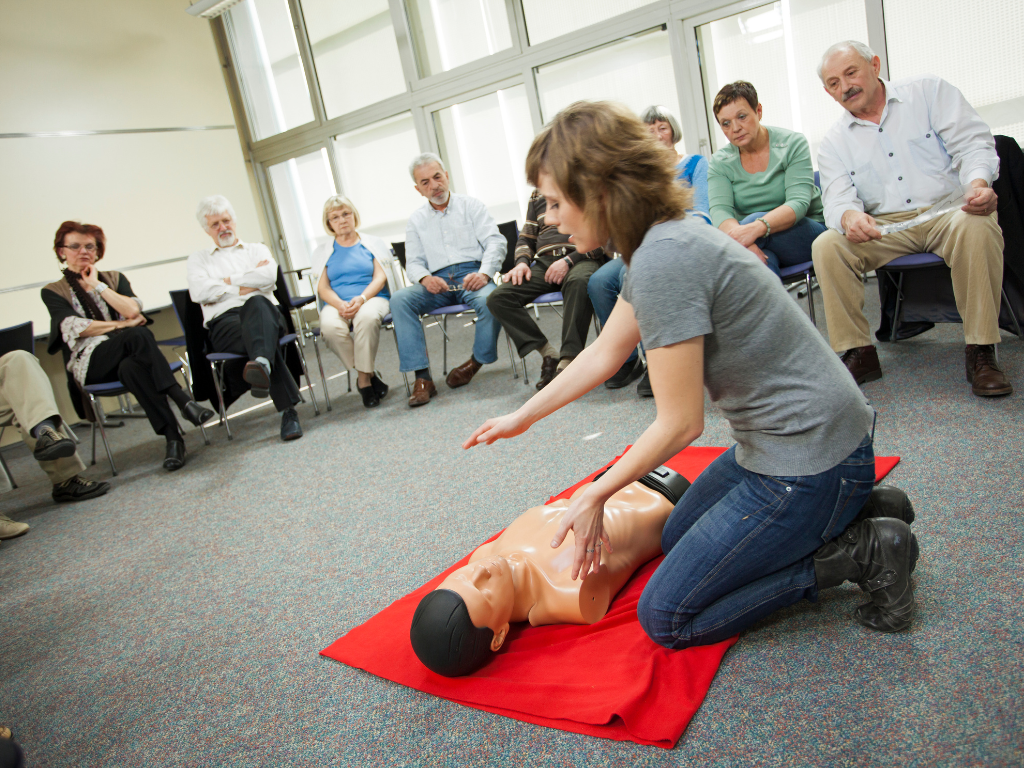
Within the first step, most employers review scope and expectations under the Fire Watch Training Course by Advanced Safe Consultants to understand what competent coverage looks like on a live worksite.
What Counts as Hot Works in Real Worksites

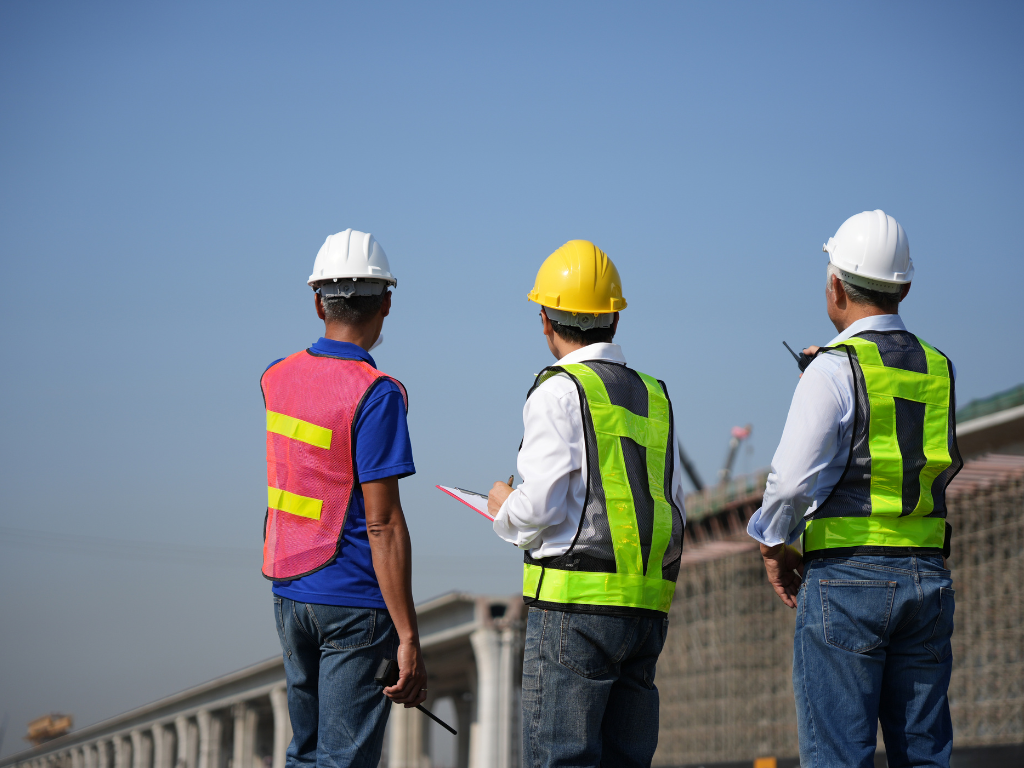
Hot works are not limited to heavy industrial welding. In practice, they include any activity that introduces heat, sparks, or open flame into an environment where ignition is possible.
Common hot works include welding, cutting, grinding, brazing, soldering, torch-applied roofing, and heat-producing maintenance on machinery. Even short-duration tasks can elevate risk instantly.
What matters is not how routine the task feels, but how quickly it can create ignition sources that bypass normal controls.
When Fire Watch Is Required in Singapore

The decision is risk-based, not job title-based
Fire watch is required when hot works introduce temporary but elevated fire risk that existing systems and general awareness cannot manage alone. Singapore’s safety framework expects employers to assess the risk scenario and apply suitable controls.
Fire watch becomes necessary when any of the following are present:
- Active hot works near combustible materials
- Confined or poorly ventilated spaces
- Work conducted outside normal operating hours
- Temporary shutdown of fire protection systems
- Areas with limited visibility or delayed emergency response
Guidance from the Ministry of Manpower on managing hot work risks reinforces that employers must implement active supervision and control where ignition risk is foreseeable.
Why “short duration” is not a defence
Many post-incident investigations show fires starting after work ends. Sparks lodge behind panels or insulation and ignite later. If the risk exists, duration does not remove the requirement for monitoring.
What a Fire Watchman Actually Does
Fire watch is an active control function
A fire watchman is assigned to observe, detect, and intervene. This is not a standby role.
Typical fire watch duties include:
- Continuous monitoring of ignition sources during hot works
- Checking surrounding areas for combustible exposure
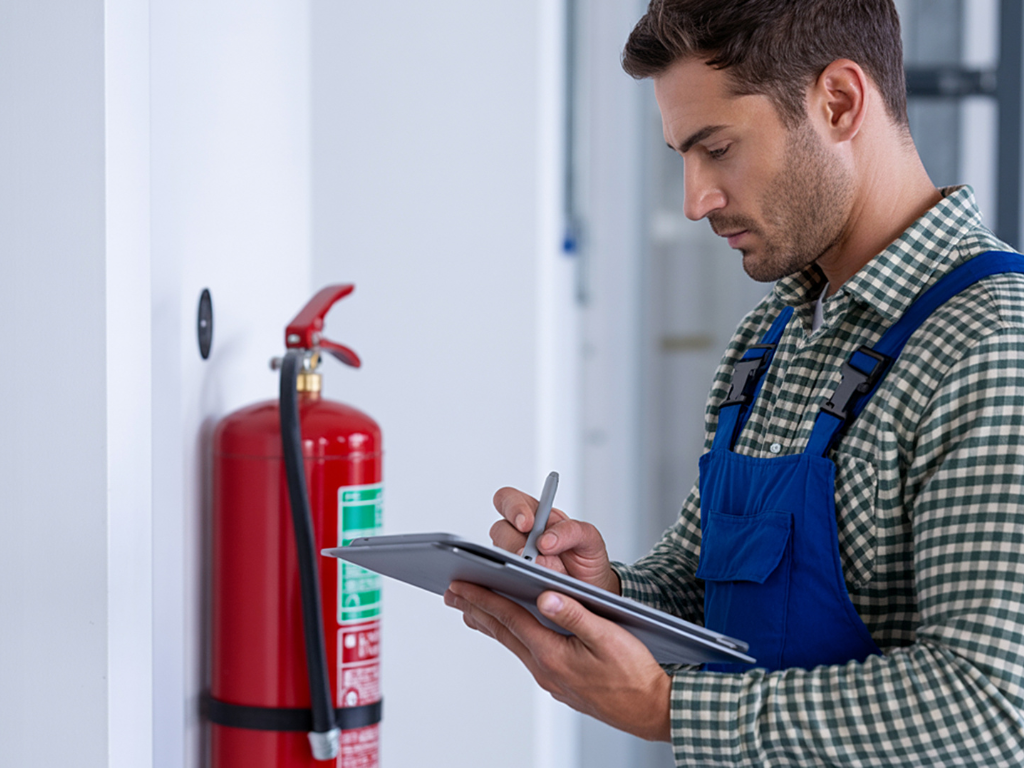
- Maintaining ready access to appropriate extinguishers
- Stopping work immediately if conditions become unsafe
- Conducting post-work monitoring after hot works cease
These duties exist because early detection and immediate action are the difference between a controlled incident and a major loss.
Authority is part of the role
A trained fire watchman must have clear authority to stop work. Without authority, the role becomes symbolic and ineffective.
Hot Works Monitoring Versus General Supervision
Why supervision alone is insufficient
General supervisors manage productivity, sequencing, and coordination. They cannot simultaneously maintain uninterrupted fire monitoring.
Hot works monitoring requires:
- Constant visual focus
- Immediate response readiness
- Knowledge of ignition behaviour
- Confidence with extinguisher handling
This is why a dedicated fire watch is required in higher-risk scenarios.
Fire Risk Levels Change With Context
The same site can shift risk by the hour
A warehouse at midday with full staffing and systems online may be moderate risk. The same warehouse at night during welding near stored materials, becomes high risk.
Risk factors that change requirements include:
- Time of day
- Staffing levels
- Temporary materials brought onsite
- Disabled alarms or sprinklers during maintenance
When these factors shift, fire watch requirements shift with them.
Fire Watch Compliance Scenarios Employers Miss
Scenario 1: Maintenance during shutdown
During shutdowns, fire detection systems are often isolated. Hot works performed in these windows require fire watch because early warning is reduced.
Scenario 2: Fit out inside occupied buildings
Retrofitting within live premises introduces hot works near occupied areas. Fire watch is needed to protect both workers and occupants.
Scenario 3: Confined spaces and plant rooms
Limited access and ventilation increase ignition consequences. Fire watch coverage becomes critical.
The Link Between Fire Watch and Emergency Response Readiness
Fire watch is not only about preventing ignition. It is about reducing response time if ignition occurs.
Research summarized by the National Fire Protection Association on hot work fire prevention shows that early detection and immediate first response significantly reduce fire spread and damage.
A trained fire watchman bridges the gap between ignition and emergency services arrival.
Extinguisher Handling Is Not Optional
Why training matters
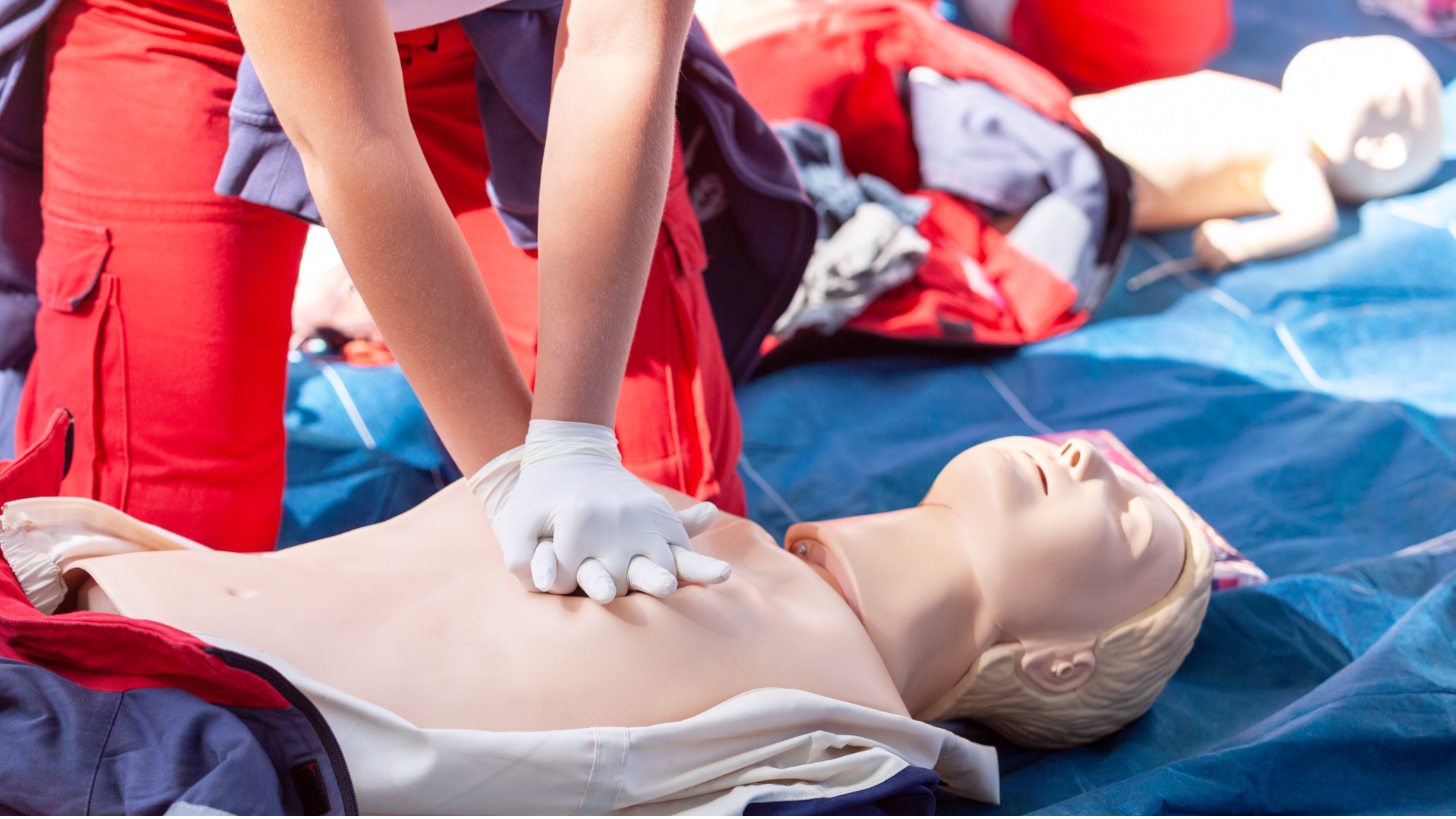
Handling an extinguisher under live conditions is different from classroom familiarity. A fire watchman must:
- Select the correct extinguisher type
- Approach safely
- Discharge effectively
- Know when to disengage
This capability comes from structured training, not awareness briefings.
Fire Watchman Course Singapore: What Training Must Cover
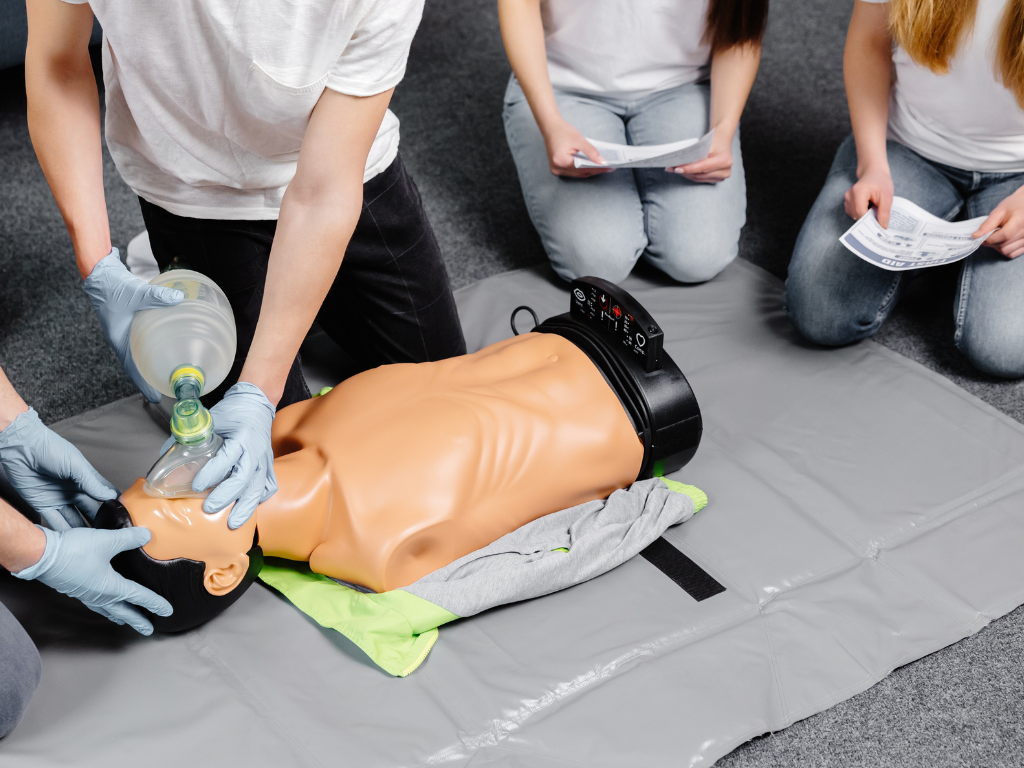
A proper fire watchman course equips participants with:
- Understanding of hot works ignition mechanisms
- Site specific risk assessment thinking
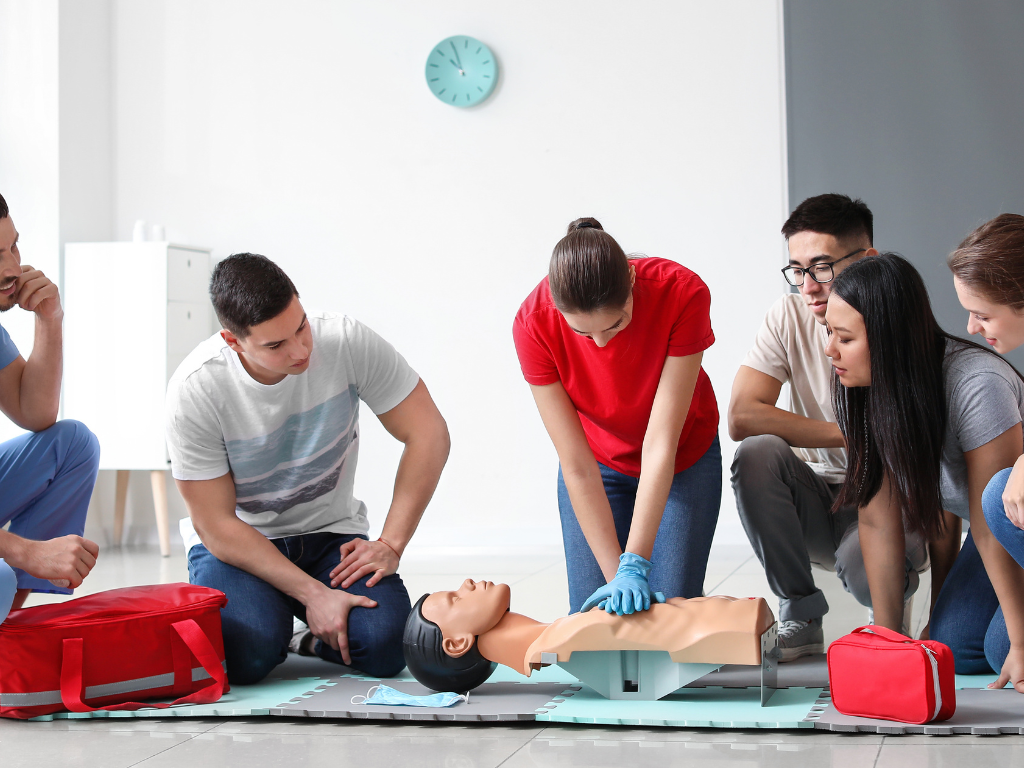
- Practical extinguisher handling
- Communication and escalation protocols
- Post-work monitoring techniques
These elements are designed to support fire watch compliance scenarios that auditors and investigators examine closely.
How Training Aligns With Regulatory Expectations
Singapore’s enforcement approach focuses on foreseeability and preparedness. Investigators ask:
- Was the risk identified?
- Were controls appropriate?
- Were competent persons assigned?
The Singapore Civil Defence Force guidance on workplace fire safety responsibilities emphasises the occupier’s duty to ensure adequate supervision during elevated risk activities.
Training is evidence that this duty was taken seriously.
Common Misconceptions About Fire Watch
“Our workers are experienced”
Experience does not replace dedicated monitoring. Many incidents involve experienced teams.
“We have extinguishers nearby”
Extinguishers without trained, focused supervision are passive controls.
“It is only a small job”
Risk does not scale linearly with job size.
Decision Guide: Do You Need Fire Watch Now
Ask these questions honestly:
- Are hot works introducing sparks or heat?
- Are combustibles present nearby?
- Are systems or staffing reduced?
- Is someone assigned solely to monitoring?
- Does that person have training and authority?
If any answer is unclear, fire watch is required.
Conclusion
Fire watch is required whenever hot works introduce temporary fire risk that normal systems and general awareness cannot manage. The role is active, authoritative, and time sensitive. Training aligns people, procedures, and response so small ignition events do not become major incidents.
If your operations include hot works, Advanced Safe Consultants can help you determine when fire watch is required and prepare the right people through structured training.
FAQs About Fire Watchman Course Singapore
When is fire watch required for hot works in Singapore?
Fire watch is required when hot works create elevated temporary fire risk, especially near combustibles or when systems are reduced. This aligns with MOM expectations.
Can a supervisor act as a fire watchman?
Only if the supervisor is trained and assigned solely to fire watch duties. Divided attention undermines the role.
How long must fire watch continue after hot works end?
Post work monitoring depends on materials and conditions. Fire watch training teaches how to assess this.
Is a fire watchman course mandatory?
Training is required when fire watch duties are assigned, as competence is a key compliance expectation.
Does fire safety awareness replace fire watch training?
No. Awareness supports general readiness. Fire watch training supports active control during hot works.