- 19 Nov 2025
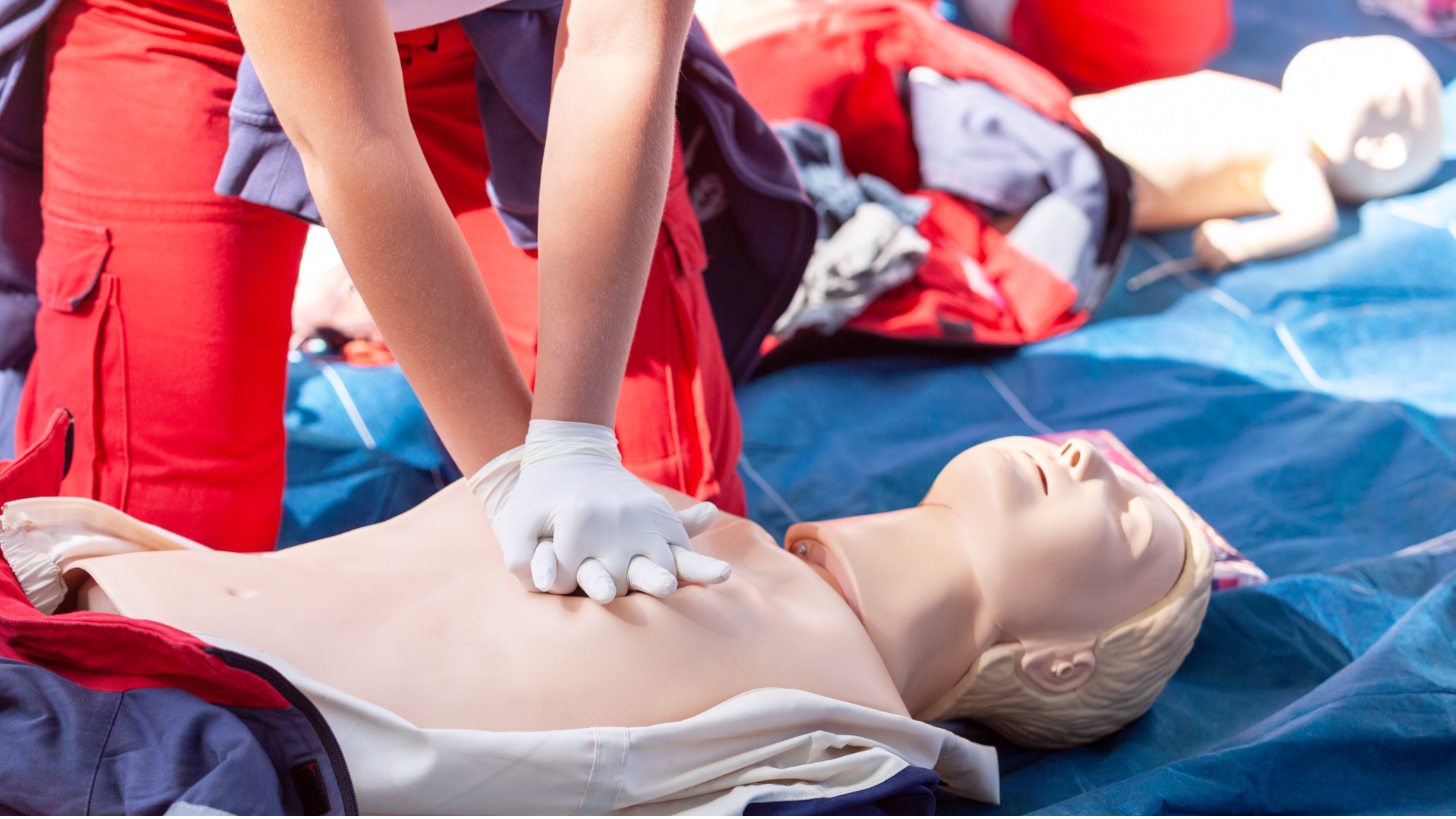
Every SME in Singapore should have certified first aiders on site. An Occupational First Aid Course in Singapore equips staff to stabilise injuries, comply with WSH rules, and protect business continuity. This guide explains the law, the real world impact on safety and downtime, what the certification covers, and how SMEs can fund training.
Why Workplace First Aid Matters Now
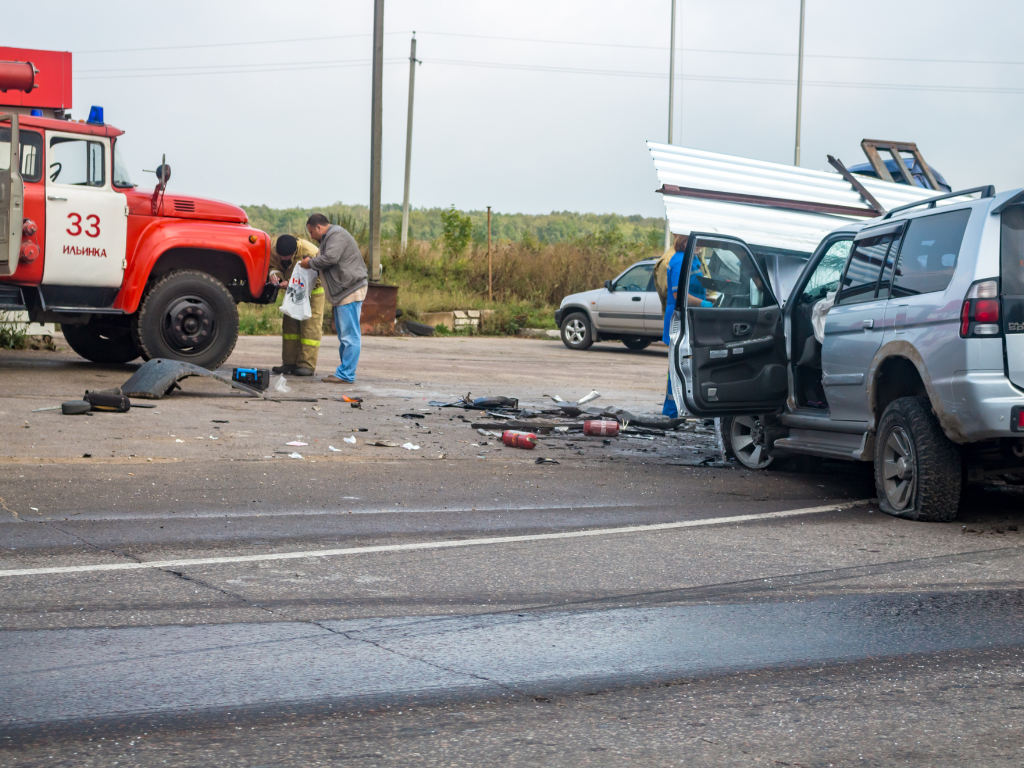
Accidents don’t schedule themselves. A slip in the storeroom, a heat-stress incident on site, a sudden cardiac arrest on a regular office day; how your team responds in the first 3 to 5 minutes shapes outcomes. Trained first aiders can recognise red flags, start CPR+AED, control bleeding, cool burns, immobilise fractures, and call the right code (995) while help is on the way. For SMEs with lean teams and little redundancy, those minutes can decide not only health outcomes but also morale and operational downtime.
What the Law Expects of SMEs (and Why It’s Practical)
Under the Workplace Safety and Health (First-Aid) Regulations, employers must ensure adequate first aid coverage. In practice, SMEs should plan for:
- At least one certified first aider once headcount passes 25 persons (and one available on each shift if you operate shifts).
- One first-aider for every 100 persons employed in the workplace.
- Proper first-aid facilities and supplies, with larger/high-risk sites needing a dedicated first-aid room.
Two things matter for compliance and real-world readiness:
- By Time: A trained person must be present on every shift.
- By Risk: More first aiders are needed for tasks involving heat, machinery, chemicals, work-at-height, or remote work.
Legal compliance is not red tape here, it is the baseline for preventing a medical emergency from turning into a fatality or a long-term disability claim.
 |
The Business Case: Life-Saving Minutes, Measurable Savings1) Faster Response Improves Survival Odds 2) Fewer Complications, Less Downtime 3) Lower Incident Costs and Better Insurance Posture |
First-aid Training Lifts Overall Safety Culture
Once employees learn first aid, workplace behaviour shifts:
- Hazard awareness rises. Staff start spotting wet floors, frayed cables, unsecured racks.
- Near-miss reporting improves. Teams record and fix small issues before they turn into incidents.
- Confidence and morale increase. People feel safer knowing colleagues can help.
- Leaders model preparedness. Recognising and appointing first aiders shows that safety is more than just a policy.
These are classic leading indicators of a strong WSH (Workplace Safety & Health) culture and they correlate with lower incident rates.
What the Occupational First Aid Certificate (OFAC) Covers
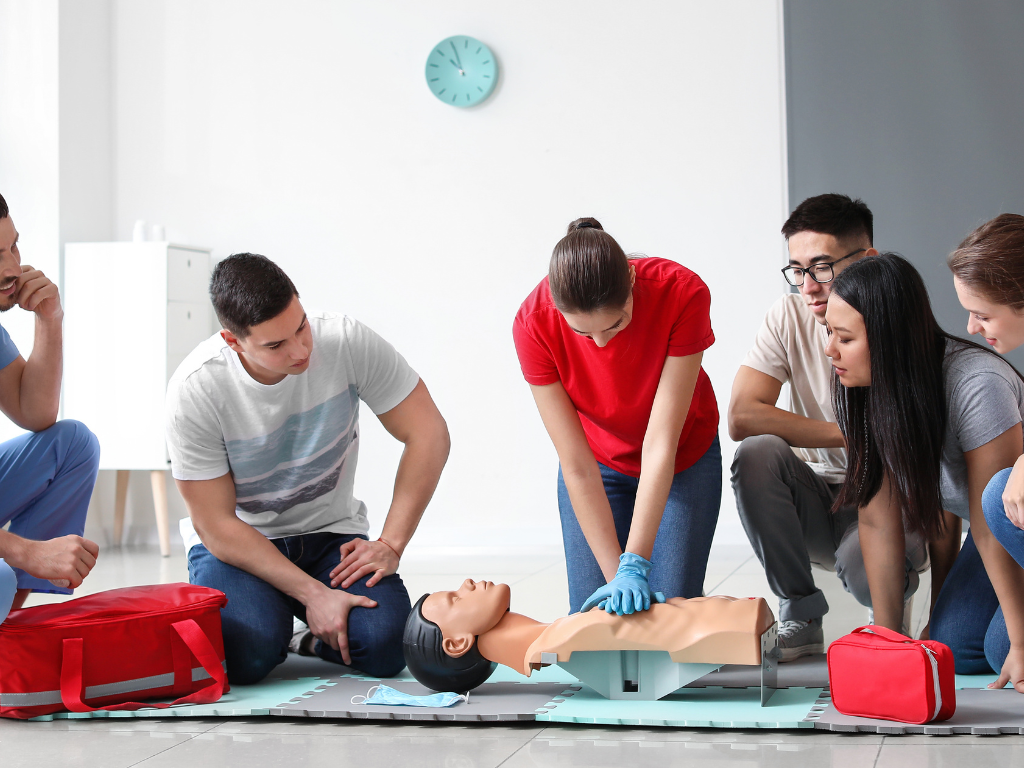
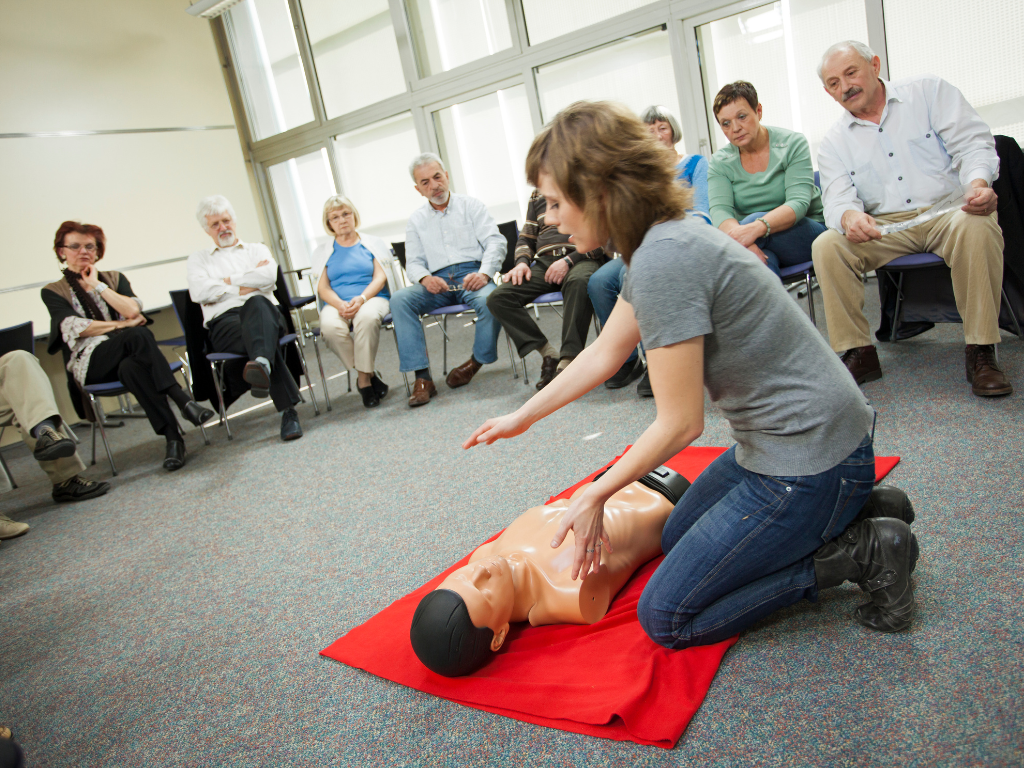
In Singapore, the Occupational First Aid Course (OFAC) is a comprehensive, workplace-centred programme typically delivered over about 3 days (18-24 hours) by accredited providers. It meets WSH requirements and is recognised by authorities.
At Advance Safe Consultants, our accredited OFAC covers all essential competencies, including:
Core modules:
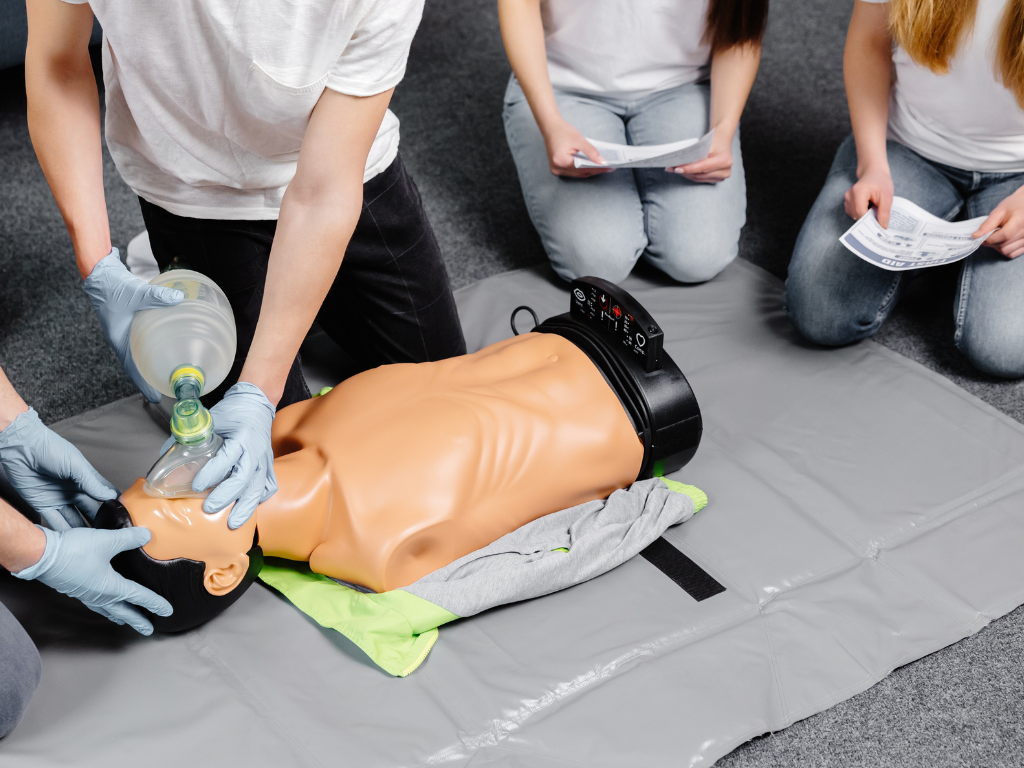
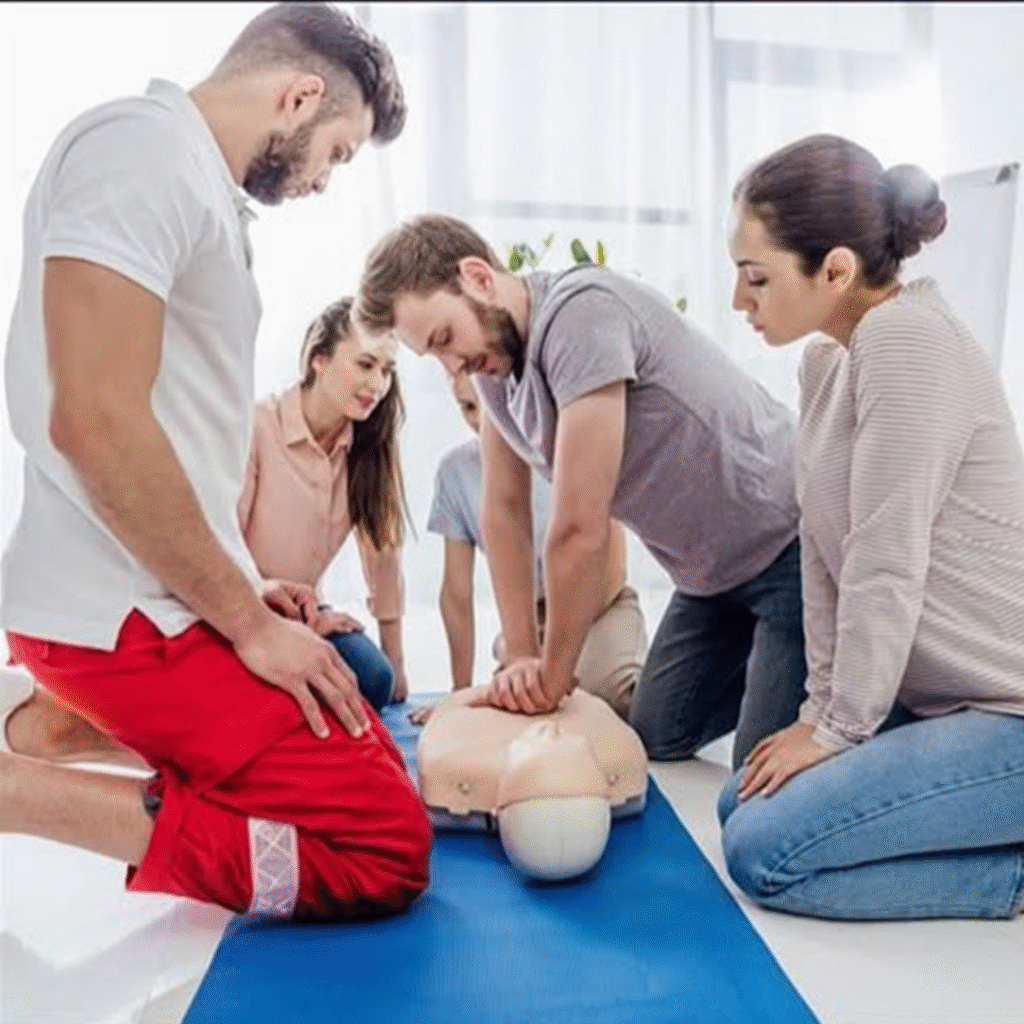
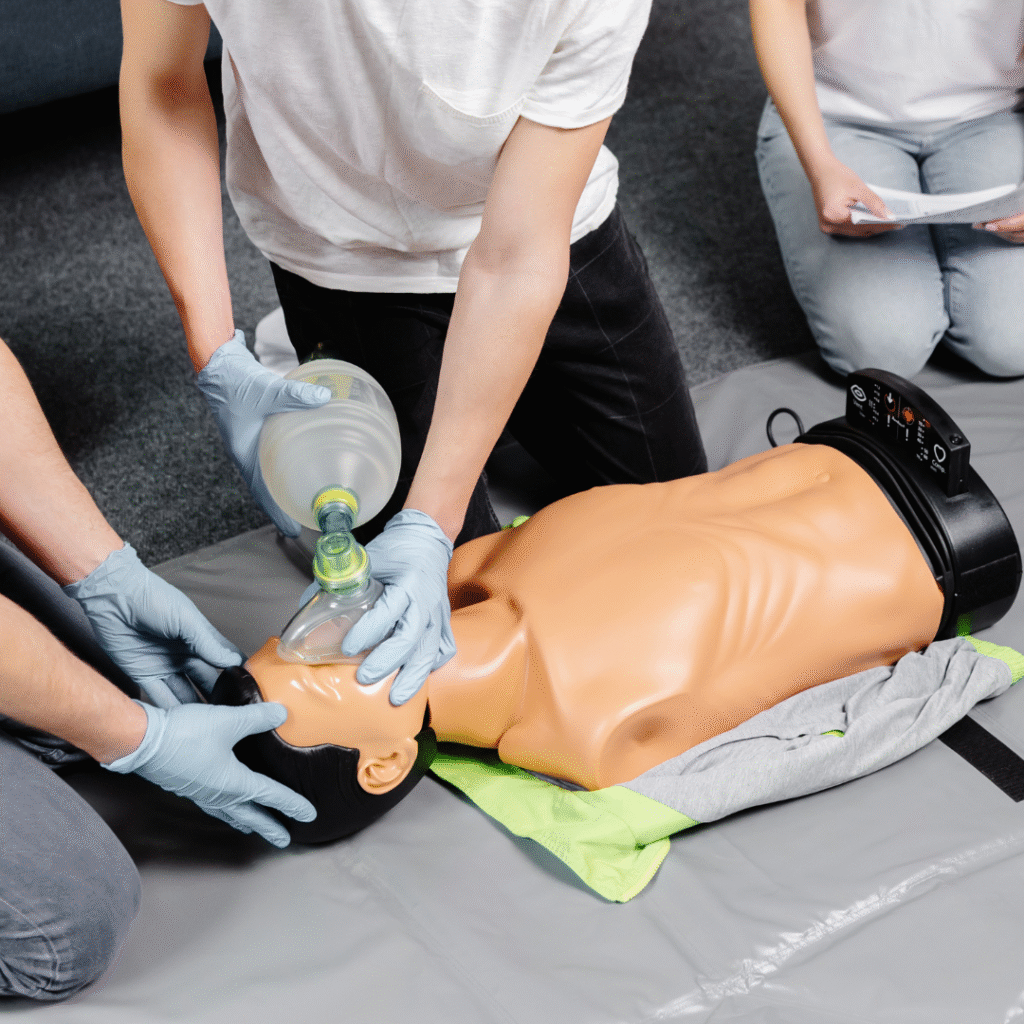
- Primary survey & life-threat response: Scene safety, DRSABC, CPR & AED for adults.
- Trauma care: Bleeding control, wound packing, shock management, fractures and splinting, head/spinal precautions.
- Burns, scalds, chemical exposure: Proper cooling and dressing techniques.
- Medical emergencies: Choking, stroke, diabetic episodes, seizures, heat stress and heatstroke.
- Industrial scenarios & incident management: Communication, documentation, and coordination with SCDF/EMS.
- Practical assessments: Scenario-based and written assessments.
Certification & validity:
Successful participants receive an Occupational First Aid Certificate valid for about 2 years. Refresher training is typically to keep skills current, especially CPR/AED protocols, which evolve with medical guidance.
Who Should SMEs Send for Training?
Don’t limit first-aid training to one staff member. Build coverage around those most likely to respond first:
- Supervisors or shift leads who are always present.
- Technicians, warehouse, or site crew exposed to physical risk.
- Customer-facing staff in retail or reception areas.
- HR or WSH coordinators who manage drills and documentation.
Aim for multiple certified staff so coverage isn’t lost to leave, travel, or turnover.
How Many First Aiders Are “Enough”?
Think about workforce size, risk level, layout, and shift pattern:
| Workplace Type | Recommended Ratio | Notes |
|---|---|---|
| Office / low-risk | 1 per ~100 staff | Ensure one per floor or shift |
| Mixed operations (warehouse + office) | 1–2 per area and shift | Train for cuts, crush, or heat hazards |
| High-risk (manufacturing, construction) | 1 per ~50 staff | Include drills for burns, chemicals, entrapment |
Coverage must be practical, not just numerical: If your first aider is in another building or off-shift, your coverage isn’t practical.
We help SMEs build risk-aligned coverage matrices through our WSH advisory services.
Subsidies: How SMEs Can Offset Training CostTwo main routes help companies fund training:
Combine funding with group bookings and on-site training to reduce per-head cost and minimise operational disruption.
Implementation Playbook for SMEs
|
 |
Conclusion
For SMEs, first aid isn’t a “nice to have.” It’s a capability that saves lives, limits downtime, and strengthens safety culture. The Occupational First Aid Course in Singapore equips your team with hands-on CPR/AED, bleeding control, burn management, and emergency coordination skills. Pair the certificate with a proper coverage plan, drills, and well-stocked kits and you’ll meet WSH standards while building a workplace people trust.
FAQ: Occupational First Aid Course Singapore
Is first aid training mandatory for SMEs in Singapore?
Yes. Employers must ensure adequate first-aid coverage under the WSH framework. Once your headcount crosses the threshold, at least one certified first aider should be appointed per shift.
How long is the Occupational First Aid Certificate valid?
Two years. You’ll need a refresher to keep CPR/AED skills current and maintain compliance. Track expiry dates centrally to prevent accidental lapses in coverage.
What’s the difference between Occupational First Aid and Standard First Aid?
Standard First Aid suits teachers, coaches, or the public.
Occupational First Aid focuses on workplace risks, documentation, and industrial response, required option for WSH compliance.
How many first aiders do we need?
Plan by risk and shifts. Low-risk workplaces: ~1 per 100 staff. High-risk: ~1 per 50, plus regular drills.
Do SMEs get subsidies?
Yes. Eligible SMEs can tap SkillsFuture/WSQ support (Enhanced Training Support for SMEs (ETSS) & Absentee Payroll (AP)) for approved courses delivered by accredited providers. Group training can further reduce cost and disruption.