- 29 Nov 2025

Singapore’s overall workplace injury rates have fallen over the past decade, but fatalities rose again in 2024, largely due to vehicular incidents and falls from height, according to the Ministry of Manpower (MOM).
MOM’s 2024 data shows that slips, trips, and falls remain the top cause of major injuries, while construction and logistics remain high-risk sectors.
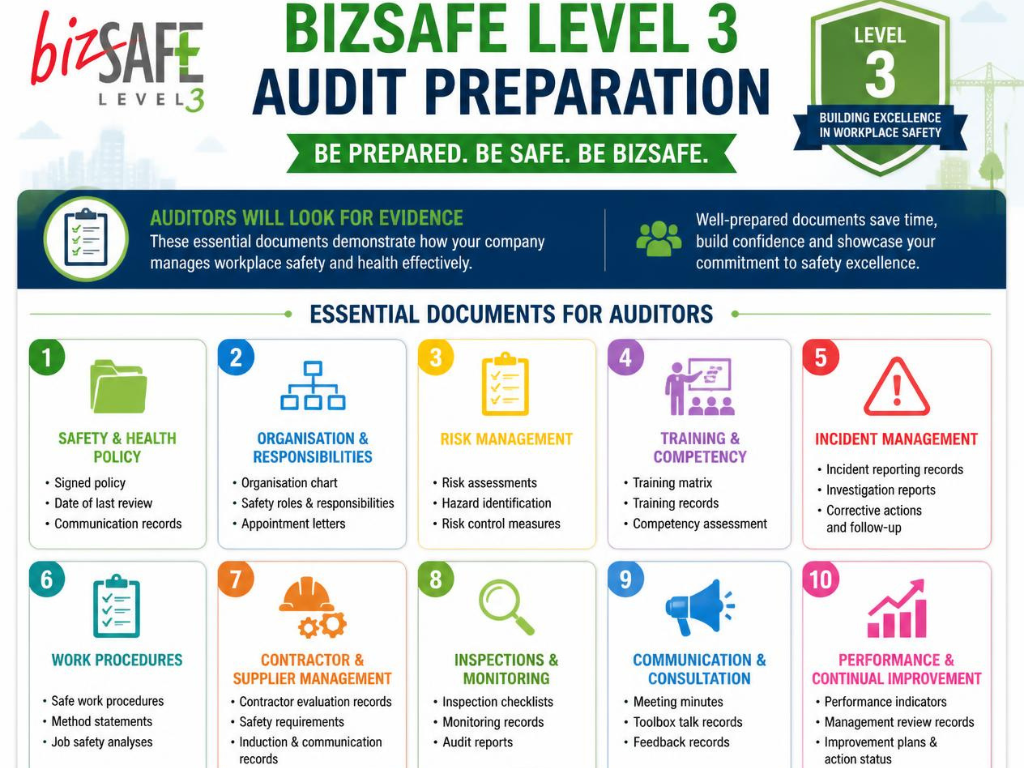
Employers must act early not reactively by identifying hazards, enforcing controls, and complying with WSH (Risk Management) Regulations and bizSAFE standards.
1. Falls from Height and Falling Objects
Hazard Overview
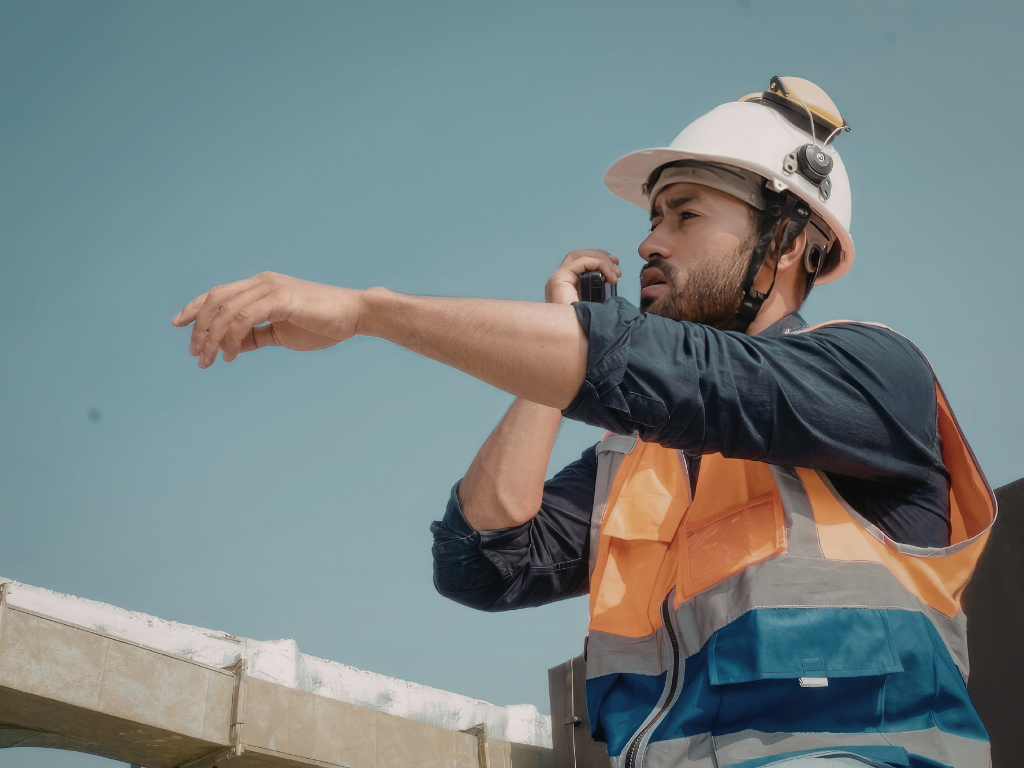
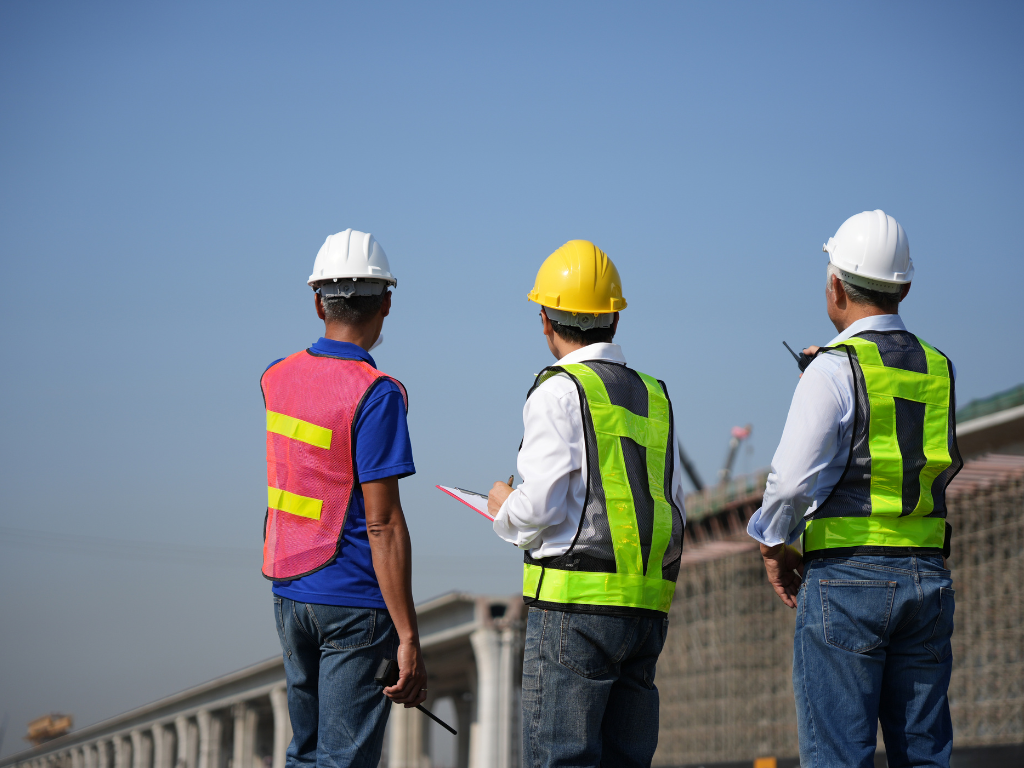
Working on scaffolds, roofs, ladders, or elevated platforms exposes workers to life-threatening falls or being struck by falling materials — the leading cause of construction deaths in Singapore.
2024 Data
Falls from height caused 20 fatalities in construction, making it Singapore’s deadliest workplace hazard .
Key Risk Factors
- Unguarded edges, unstable scaffolding, unsecured tools
- Non-compliance with SS 591:2024 (Scaffolding Standard)
- Inadequate supervision or missing fall arrest systems
Prevention
- Install guardrails, toeboards, and safety nets before work begins
- Conduct Work-at-Height (WAH) risk assessments
- Enforce Permit-to-Work (PTW) systems
- Provide harnesses, anchor lines, and WSH-approved WAH training
- Use drone inspections to check elevated works safely
2. Slips, Trips, and Same-Level Falls
Hazard Overview
Slips and trips occur in every industry — from F&B kitchens to warehouses. These incidents rarely kill but cause hundreds of lost-workday injuries yearly.
2024 Data
MOM recorded 587 major injuries from slips, trips, and falls .
Common Causes
Wet floors, cluttered walkways, loose cables, poor lighting.
Prevention
- Maintain good housekeeping and clear spills promptly
- Apply SS 485:2022 slip-resistant flooring
- Use anti-slip mats, secure cords, and improve drainage
- Conduct daily inspections and promote 5S workplace organization
3. Machinery and Equipment Hazards
Hazard Overview
Machinery-related injuries remain significant in manufacturing and logistics — from crushed fingers to entanglement and amputation.
Risk Factors
- Unguarded machines
- Defective emergency stops
- Inadequate maintenance or operator training
Regulatory Context
MOM’s 5th Schedule of the WSH Act mandates proper machine guarding and periodic inspection.
Prevention
- Install compliant guards (SS 536:2023) and interlocks
- Apply Lockout-Tagout (LOTO) procedures for servicing
- Conduct routine inspections and empower staff to report defects
- Provide WSQ machine-safety and operator training
4. Vehicle and Mobile Plant Incidents
Hazard Overview
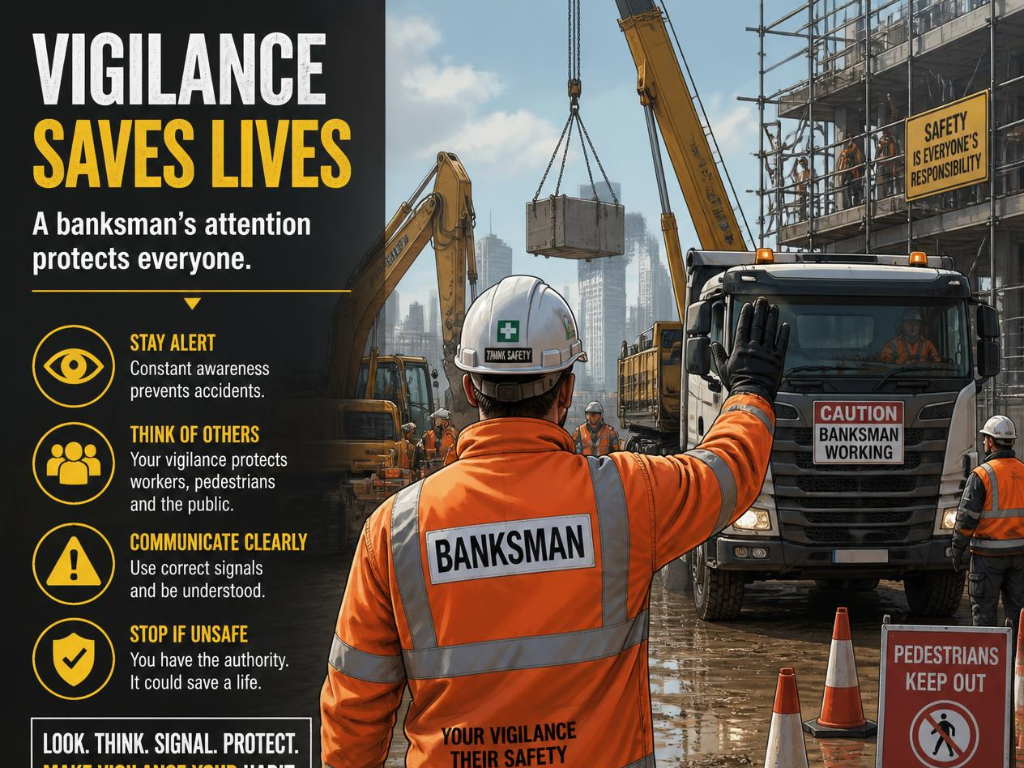
Forklifts, trucks, and cranes cause the most workplace deaths annually. Forklift–pedestrian collisions are a recurring problem in warehouses.
2024 Data
Vehicular incidents were Singapore’s #1 cause of workplace fatalities, topping falls from height .
Prevention
- Separate pedestrian and vehicle paths with barriers
- Require spotters and reversing alarms
- Install proximity sensors and cameras on vehicles
- Certify drivers under WSQ courses (e.g., Forklift, Crane Operation)
- Implement a Traffic Management Plan and enforce speed limits
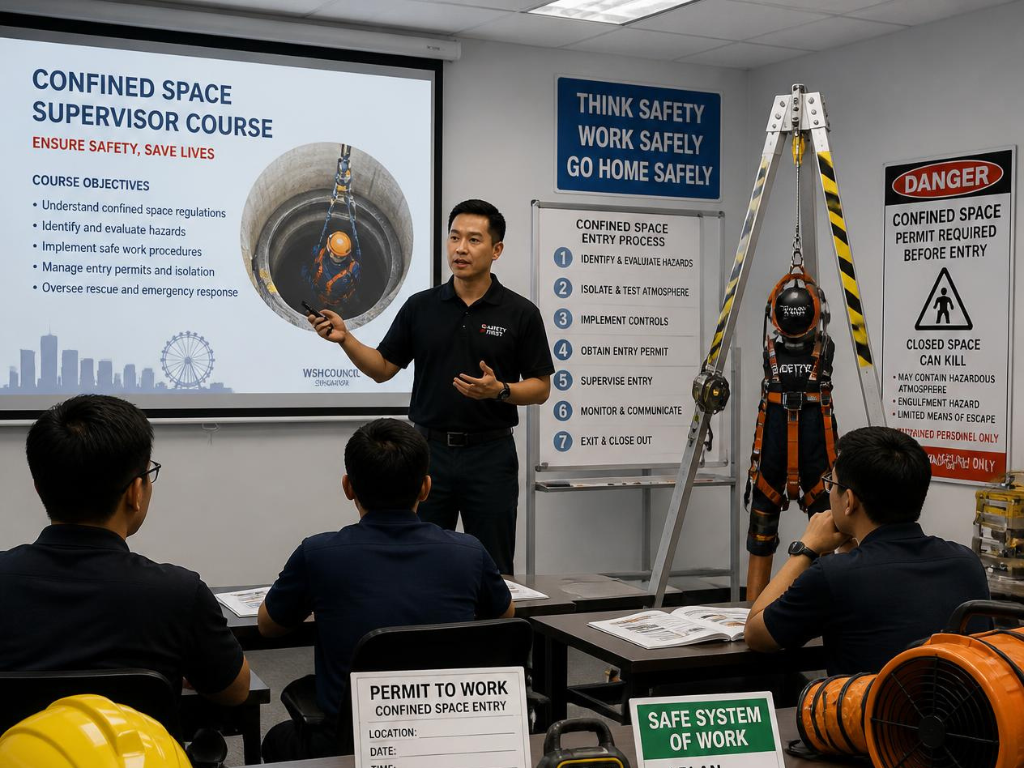
5. Confined Space Hazards
Hazard Overview
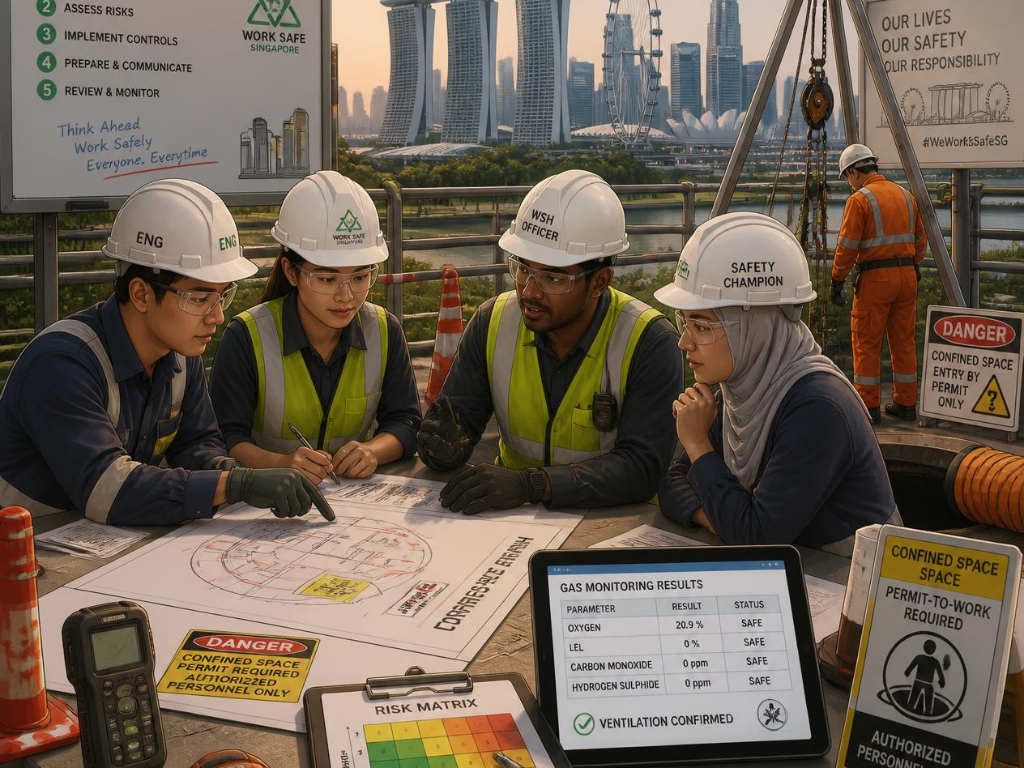
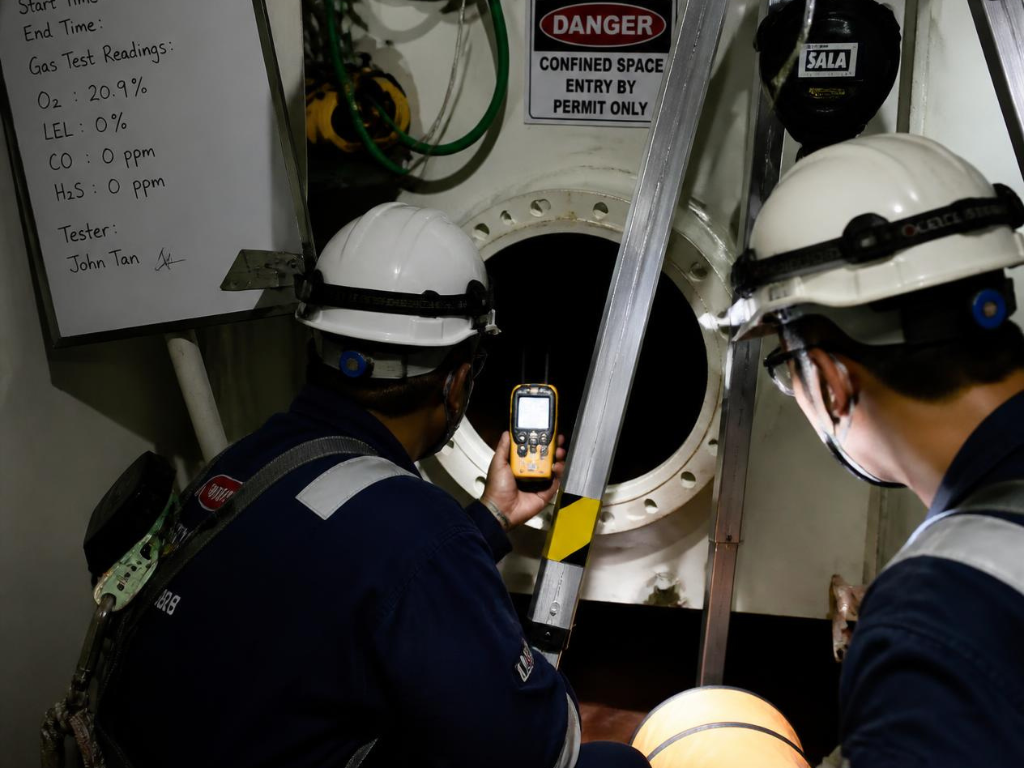
Work in sewers, tanks, silos, or manholes risks suffocation, toxic gas exposure, or engulfment.
2024 Data
Eight confined-space deaths were recorded, mostly due to poor gas testing and inadequate rescue preparation.
Prevention
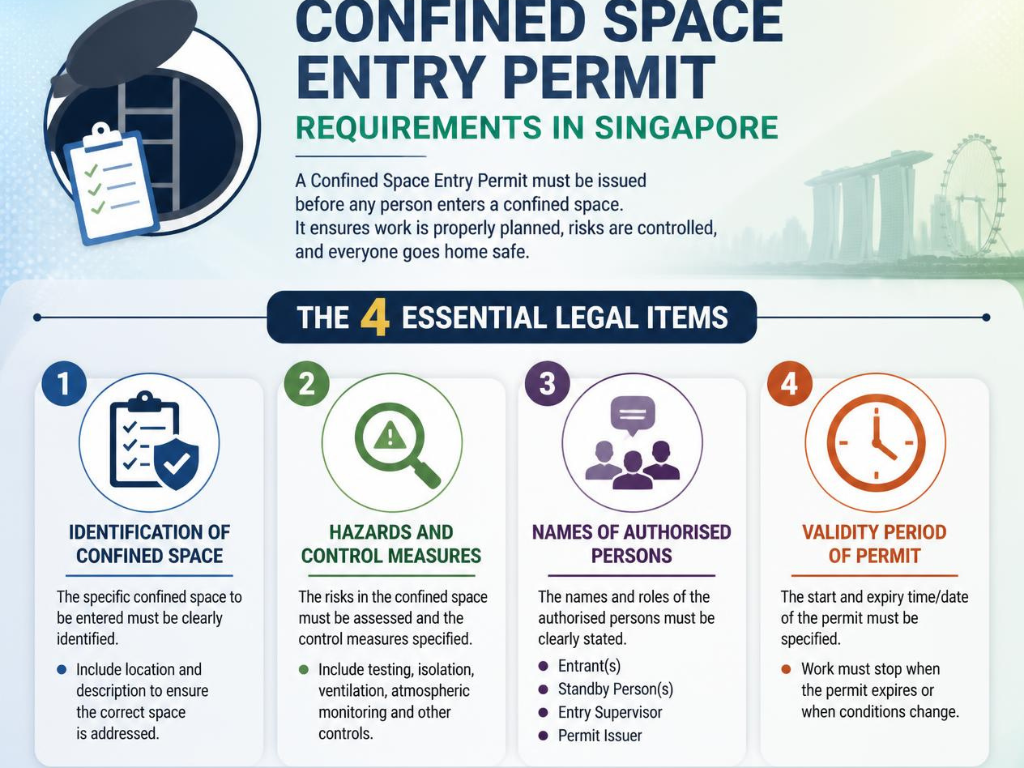
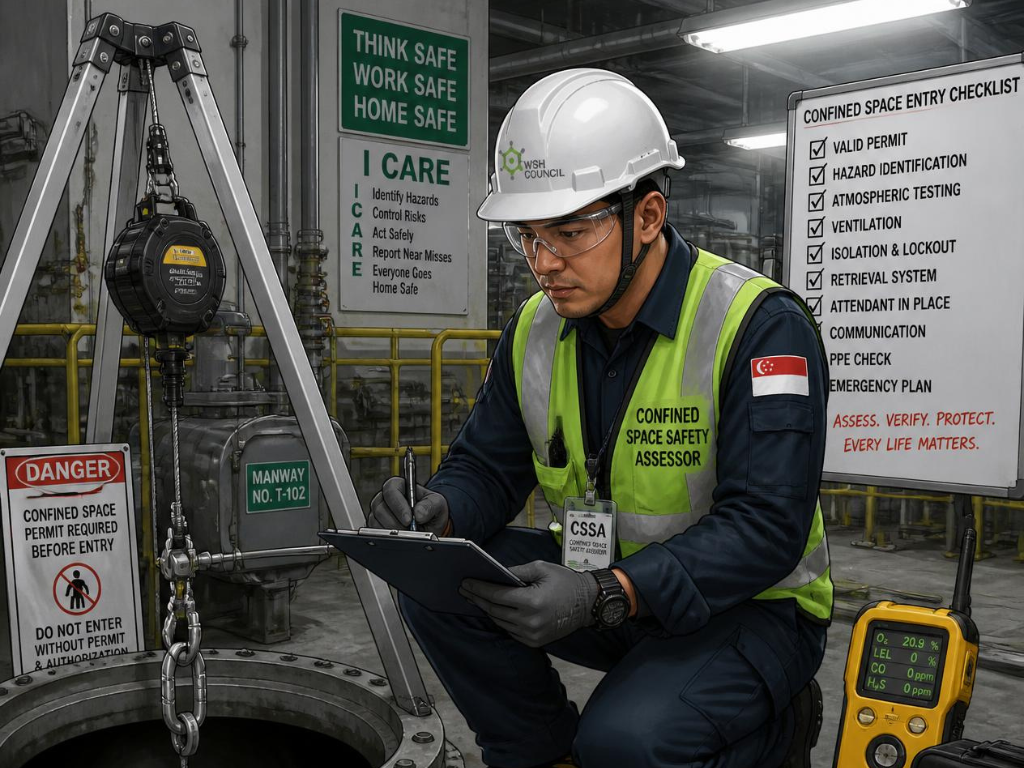
- Enforce WSH (Confined Spaces) Regulations
- Use permit-to-work and pre-entry 4-gas detectors (O₂, CO, H₂S, LEL)
- Provide ventilation, standby attendants, and rescue plans
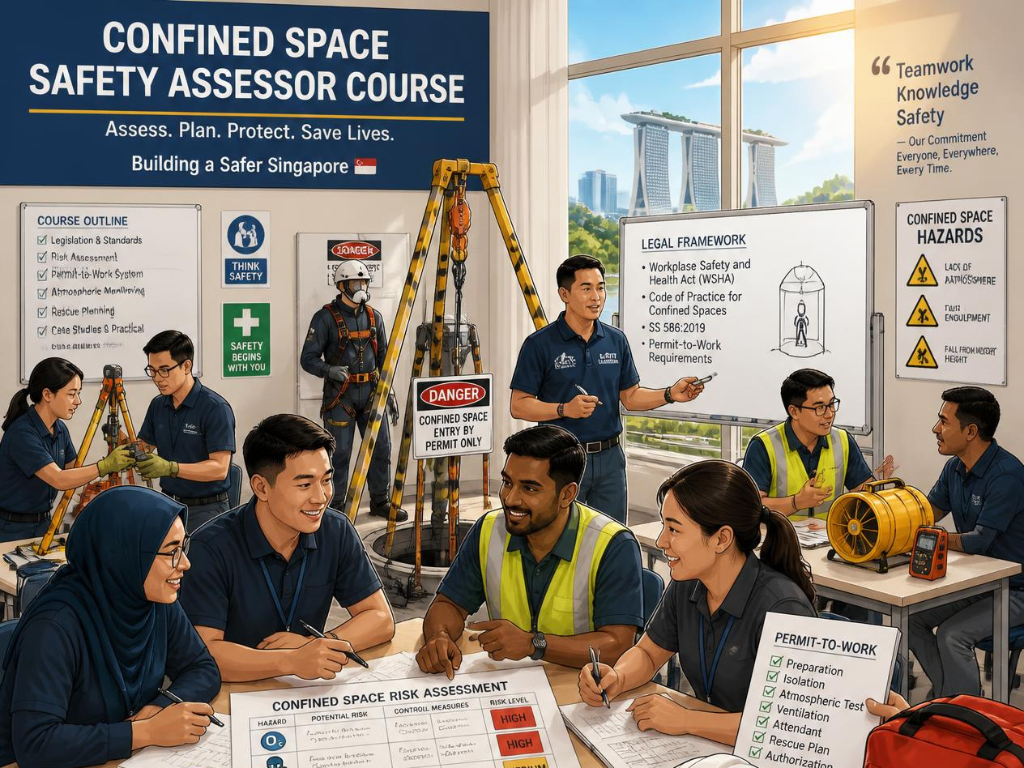
- Train entrants and rescue teams under approved Confined Space Safety Courses
6. Chemical and Toxic Exposures
Hazard Overview
Exposure to hazardous substances — solvents, acids, or combustible dust — can cause chronic illness or explosions.
Risk Factors
- Poor ventilation and unsafe storage
- Unlabelled chemicals and incompatible mixing
Prevention
- Implement GHS-compliant labelling
- Install local exhaust ventilation (LEV) for fumes and dust
- Store chemicals separately in fire-rated cabinets (SS 532)
- Conduct Spill Response Training and equip eyewash stations
- Replace toxic substances with safer alternatives where possible
7. Electrical and Fire Hazards
Hazard Overview
Electrical faults cause shocks, burns, and fires — often due to aging cables or poor maintenance.
Prevention
- Inspect electrical systems regularly; install Residual Current Devices (RCDs)
- Follow Lockout-Tagout (LOTO) during maintenance
- Keep flammables away from live circuits
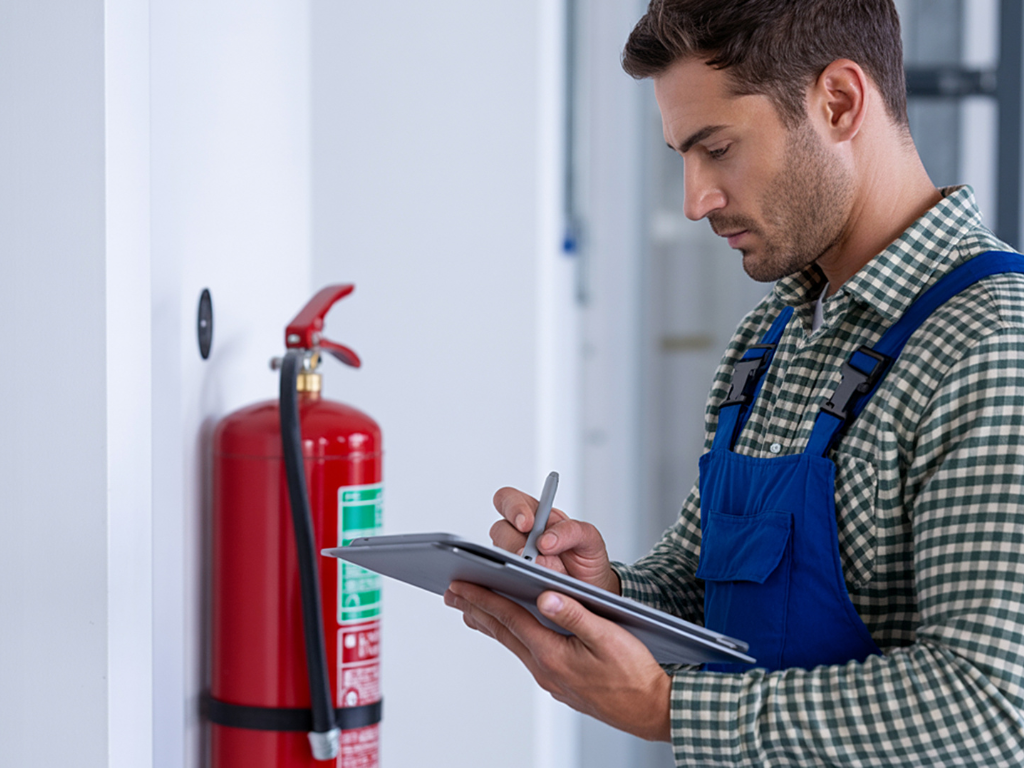
- Install fire alarms, extinguishers, and conduct fire drills
- Train workers in basic firefighting and SCDF emergency protocols
8. Manual Handling and Ergonomic Hazards
Hazard Overview
Lifting, pushing, or repetitive tasks lead to musculoskeletal disorders — Singapore’s most under-reported workplace issue.
Data
MOSAIC Safety recorded dozens of back and shoulder injury cases in manufacturing and logistics sectors in 2024.
Prevention
- Redesign workstations (height-adjustable tables, pallet jacks)
- Use mechanical aids (trolleys, vacuum lifters)
- Train workers in proper lifting techniques
- Rotate tasks to prevent repetitive strain
- Conduct Ergonomic Risk Assessments (REBA, RULA)
Conclusion
Singapore’s WSH journey shows clear progress — yet preventable fatalities persist. Every hazard listed here ties back to one rule: anticipate before accidents happen.
Whether you manage a construction crew or an SME workshop, compliance with WSH Regulations and proactive risk management save lives — and build a reputation for care and reliability.You can start by shortlisting programmes from our courses or speaking to us about a risk-aligned pathway via WSH Regulations .
FAQs About Workplace Hazards Singapore
What are the most common workplace hazards in Singapore?
The main ones are falls from height, slips/trips, vehicle accidents, machinery injuries, chemical exposure, electrical fires, confined spaces, and manual handling risks .
How can employers reduce accidents?
By conducting formal Risk Assessments, enforcing control measures, providing WSQ-certified training, and maintaining safe systems of work per the WSH (Risk Management) Regulations.
Which industries face the highest risks?
Construction, logistics, manufacturing, and marine sectors — due to frequent work-at-height, vehicular movement, and heavy machinery.
What training helps prevent hazards?
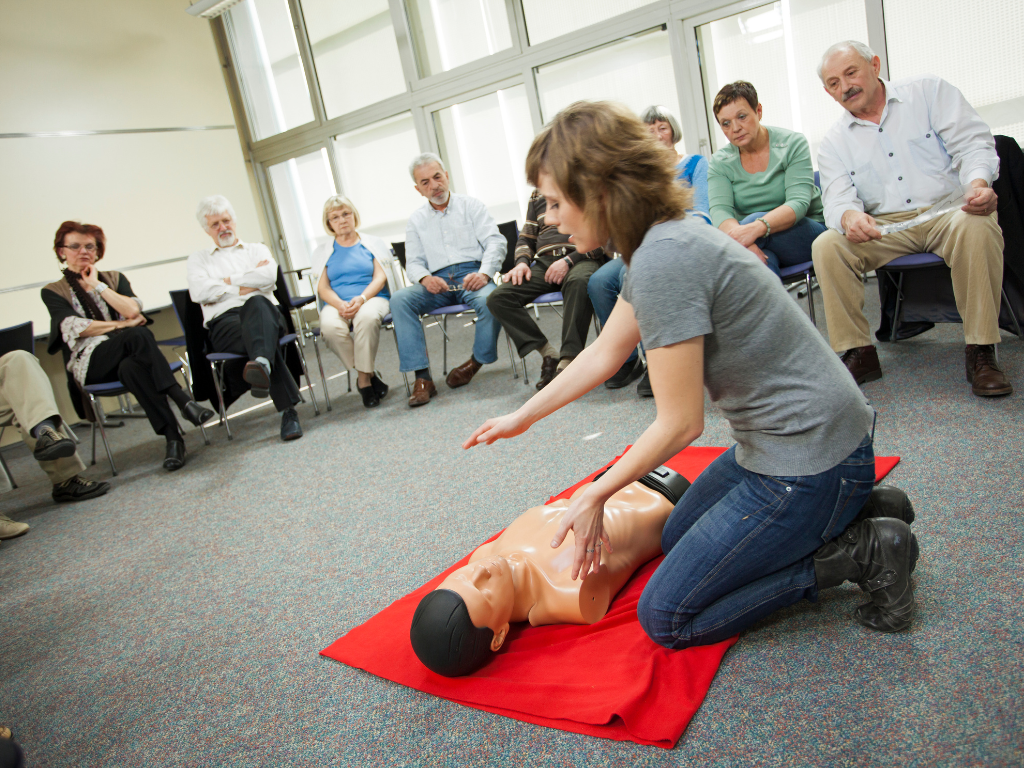
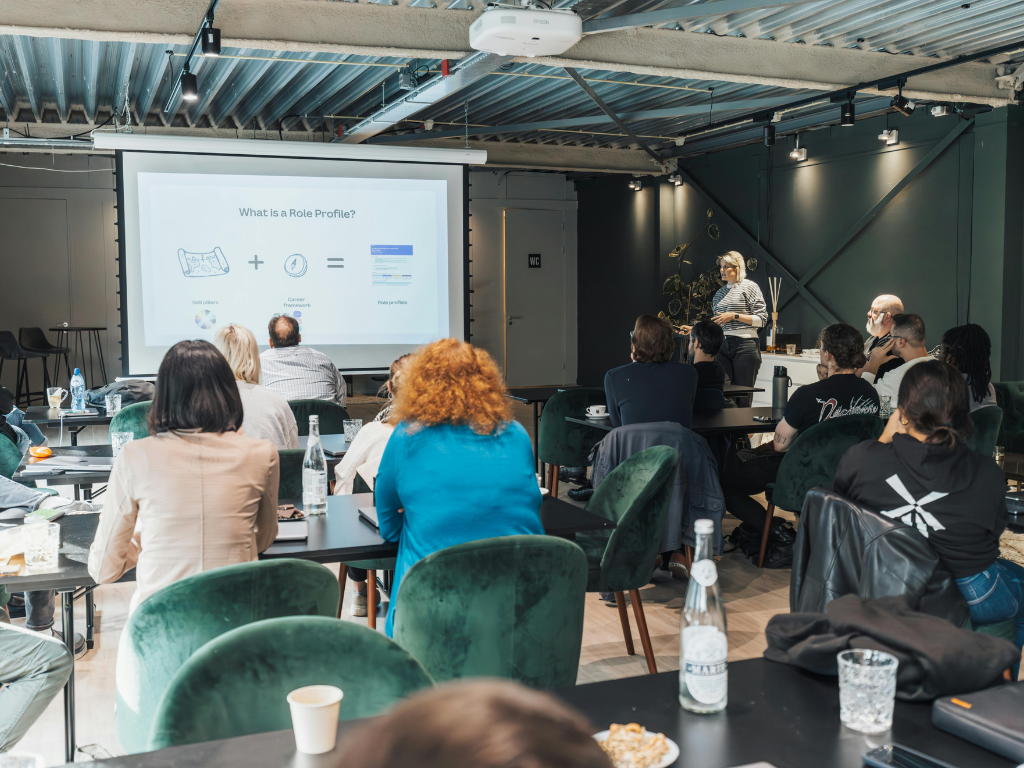
Courses like bizSAFE Level 2, Occupational First Aid, Work-at-Height, and Risk Management Implementation build safety leadership and hazard awareness.